
Hurricane Gloria (1985)
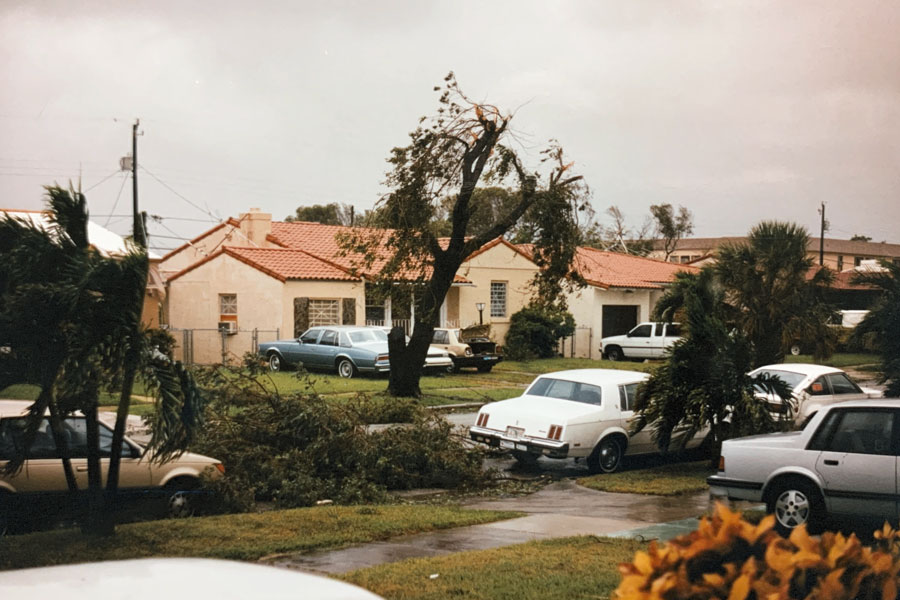
Hurricane Gloria struck Long Island on September 27, 1985, becoming one of the most significant storms to affect the region during the twentieth century. Making landfall near western Long Island as a strong Category 1 hurricane after reaching Category 4 strength over the Atlantic, Gloria brought destructive winds, widespread power outages, coastal flooding, fallen trees, and significant damage across both Nassau County and Suffolk County. For many residents, Hurricane Gloria remains the benchmark storm against which later hurricanes, including Hurricane Sandy, are often compared.
The hurricane arrived after days of intense media coverage and emergency preparations. Schools closed, businesses boarded windows, marinas secured vessels, and thousands of residents stocked emergency supplies. Although Gloria weakened before reaching Long Island, the storm still delivered hurricane-force winds to portions of the island and caused one of the largest power outage events in Long Island history.
Formation and Approach
Hurricane Gloria developed in the Atlantic Ocean during September 1985 and rapidly intensified into a powerful Category 4 hurricane. At its peak, the storm generated sustained winds exceeding 130 miles per hour while moving through the western Atlantic.
As Gloria tracked northward along the East Coast, forecasts increasingly focused on the possibility of a direct strike on the New York metropolitan region and Long Island. Residents across the island watched forecasts closely as emergency officials prepared for potentially severe impacts.
Landfall on Long Island
On September 27, 1985, Hurricane Gloria made landfall on Long Island near the western portion of Suffolk County before continuing across Long Island Sound and into New England. Although weaker than its peak intensity, the hurricane still brought powerful winds capable of causing extensive tree damage and widespread utility failures.
Wind gusts exceeded hurricane strength in some locations, particularly along exposed coastal areas. The storm moved quickly, limiting the duration of the most severe conditions but producing significant impacts throughout the region.
Damage Across Long Island
The most widespread damage resulted from high winds. Tens of thousands of trees were damaged or uprooted throughout Nassau and Suffolk Counties. Roads became impassable due to fallen trees and utility poles, while numerous homes suffered roof, siding, and structural damage.
Electrical infrastructure sustained extensive damage. More than one million customers across the region lost power, with some Long Island residents remaining without electricity for more than a week. The widespread outages became one of the defining memories of Hurricane Gloria and exposed vulnerabilities within the regional electrical grid.
Coastal communities along the Atlantic Ocean, Great South Bay, and portions of the North Shore experienced flooding, beach erosion, marina damage, and impacts to waterfront infrastructure.
Impact on Transportation
Transportation systems across Long Island were heavily disrupted. The Long Island Rail Road suspended service during portions of the storm, while numerous roads were blocked by debris and fallen trees. Airports, ferries, and public transportation systems throughout the New York metropolitan area also experienced operational disruptions.
Many residents remained isolated temporarily as emergency crews worked to clear roadways and restore access to affected neighborhoods.
Fire Island and Coastal Areas
Barrier island communities and coastal environments experienced some of the storm’s most visible impacts. Areas of Fire Island National Seashore, oceanfront beaches, and shoreline communities sustained erosion and storm-related damage.
Although Hurricane Gloria did not fundamentally reshape Long Island’s barrier islands in the way later storms would, it demonstrated the vulnerability of the island’s coastline to tropical systems and renewed interest in coastal planning, erosion management, and storm preparedness.
Comparison to Hurricane Sandy
Hurricane Gloria and Hurricane Sandy are frequently compared because both caused major impacts across Long Island. Gloria produced stronger winds over much of the region and caused more extensive tree damage, while Sandy generated a much larger storm surge that produced catastrophic coastal flooding and widespread destruction along waterfront communities.
Many longtime residents consider Gloria to have been the most powerful wind event they experienced prior to Sandy. The two storms affected Long Island differently, but both remain among the most significant weather disasters in modern regional history.
Legacy
Hurricane Gloria became one of the defining weather events of the 1980s on Long Island. The storm influenced emergency management planning, utility preparedness, public awareness campaigns, and discussions involving coastal resilience. For residents who experienced the storm firsthand, Gloria remains one of the most memorable hurricanes ever to strike Long Island.
The hurricane also serves as an important historical reminder that Long Island remains vulnerable to powerful tropical systems capable of producing destructive winds, coastal flooding, erosion, and prolonged infrastructure disruptions.
Key Facts & Details
| Storm Name | Hurricane Gloria |
|---|---|
| Year | 1985 |
| Dates Affecting Long Island | September 27, 1985 |
| Peak Category | Category 4 Hurricane |
| Landfall Near Long Island | Western Suffolk County |
| Primary Impacts | Hurricane-force winds, power outages, coastal flooding, erosion, and fallen trees |
| Most Affected Areas | Nassau County, Suffolk County, Fire Island, and coastal communities |
| Power Outages | More than one million customers affected regionally |
| Transportation Impact | LIRR disruptions, blocked roads, airport delays, ferry interruptions |
| Comparable Storm | Hurricane Sandy (2012) |
| Historical Significance | Most significant Long Island hurricane since the Hurricane of 1938 |
Nearly four decades later, Hurricane Gloria remains one of the most important storms in Long Island history. Its powerful winds, widespread outages, and lasting impact on emergency preparedness continue to shape how residents, utilities, and government agencies approach hurricane planning throughout Nassau County, Suffolk County, and the broader New York metropolitan region.
Are you ready for fall on Long Island? Check out these local seasonal guides:
🍎 Apple Picking 🍓 Strawberry Picking 🎃 Pumpkin Picking 👻 Haunted Houses 🍂 Farm Festivals