
Floral Park, New York
Floral Park is a historic incorporated village on the western edge of Nassau County on Long Island, immediately east of Queens. Known for its tree-lined residential streets, traditional downtown around Tulip Avenue, and strong commuter access, it offers a classic western Long Island village atmosphere within easy reach of New York City.
The community has long been associated with residential stability, local businesses, convenient rail service, and a recognizable village identity. With nearby access to the Cross Island Parkway, Grand Central Parkway, Northern State Parkway, and the Long Island Rail Road, Floral Park remains especially appealing to visitors and residents who want a suburban Nassau County setting with convenient regional access. Train schedules, parking rules, and business hours may vary, so it is smart to check ahead before visiting.
Location and Setting
Floral Park sits along the western edge of Nassau County, bordering Queens and close to New Hyde Park, Elmont, Stewart Manor, Bellerose, Garden City, and Valley Stream. That location places the village near some of the most active residential, retail, and transportation corridors in western Long Island.
The village’s position near the Nassau-Queens line gives it a distinctive blend of suburban Long Island character and New York City accessibility. Visitors should also note that the name “Floral Park” can refer both to the incorporated Nassau County village and to adjacent Queens neighborhoods nearby. In everyday use, the broader area feels interconnected, but the village maintains its own municipal identity, downtown, services, and community traditions.
History of Floral Park
Floral Park developed from a rural and agricultural landscape into a suburban village as transportation and residential growth expanded across western Long Island. The community’s name reflects its early connection to flowers, nurseries, and horticultural activity, which helped shape the area’s identity before it became a more densely settled residential village.
As the Long Island Rail Road and regional roadways made commuting easier, Floral Park grew into a stable community with a traditional downtown, civic organizations, churches, schools, and local institutions. Much of the village’s built character dates to the late nineteenth and early twentieth centuries, when western Nassau saw rapid suburban development tied to rail access.
Today, Floral Park retains much of its established neighborhood character, with older homes, mature trees, walkable streets, and a strong sense of local identity that distinguishes it from surrounding areas.
Downtown Floral Park and Community Life
Downtown Floral Park is centered on Tulip Avenue and the area around the village’s Long Island Rail Road station. The business district includes restaurants, cafés, shops, professional offices, service businesses, and neighborhood storefronts that support both daily village life and casual visits.
The downtown helps give Floral Park its small-town feel. Rather than functioning only as a commercial strip, the village center is closely tied to nearby residential streets, community events, local organizations, and everyday routines. It is one of the better places in western Nassau to get a feel for a traditional Long Island village main street.
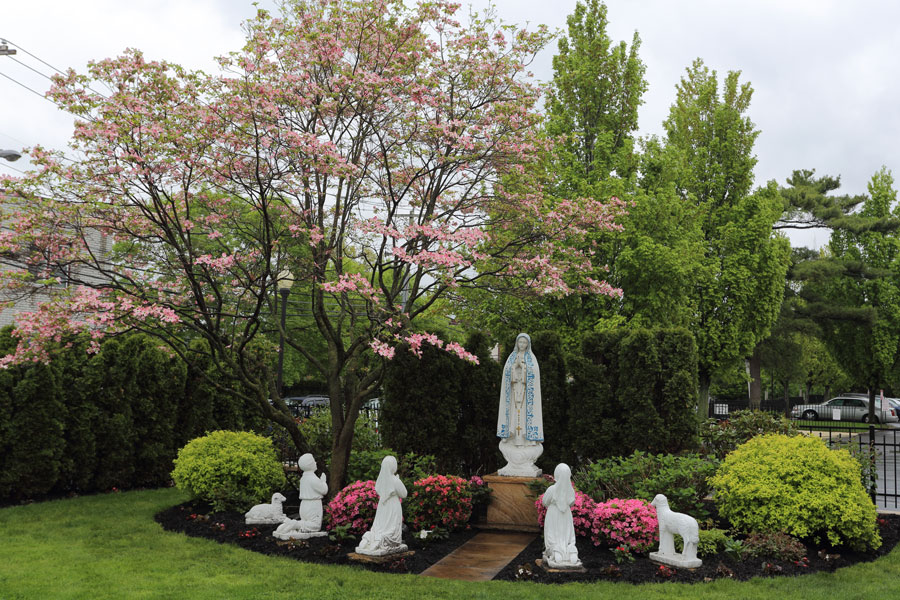
Floral Park is also known for strong civic involvement, houses of worship, youth activities, and community traditions. Landmarks such as St. Hedwig’s Roman Catholic Parish reflect the village’s longstanding ethnic and religious heritage, while seasonal decorations, parades, and local events help maintain the neighborhood-oriented character many residents value.
Transportation and Accessibility
Transportation is one of Floral Park’s strongest advantages. The village is served by the Long Island Rail Road at Floral Park station, giving commuters and visitors access to New York City and other Long Island destinations. Service patterns on individual branches can change over time, so checking current LIRR schedules before traveling is recommended.
Drivers benefit from nearby access to the Cross Island Parkway, Grand Central Parkway, Northern State Parkway, and major local corridors through western Nassau and eastern Queens. The village is also within reach of John F. Kennedy International Airport and LaGuardia Airport. Bus connections and station-area parking options may change, and posted local parking regulations should always be followed.
Parks, Recreation, and Nearby Attractions
Floral Park offers neighborhood recreation, local parks, youth programs, and community activities that support its residential character. While the village itself is compact, residents and visitors are close to a wide range of larger destinations across western and central Nassau County.
Within the village, Centennial Gardens and Bird Sanctuary is one of the community’s best-known green spaces, complementing neighborhood parks and recreation areas. Nearby attractions include Belmont Park, a major regional destination for horse racing and large events, as well as the broader Belmont Park and UBS Arena area in Elmont, Eisenhower Park, and Garden City. Event schedules, parking, and traffic conditions can vary, especially on major race or concert days.
Visitor Tips
For a first visit, the most walkable part of Floral Park is the village center near Tulip Avenue and the rail station. Street parking and municipal lots may be subject to local rules, permits, or time limits, so check posted signs carefully. Restaurant hours and small-business schedules can vary by day and season, and travel times may be affected by nearby Belmont-area events or peak commuter periods.
Schools and Local Services
Floral Park is served by local school districts and municipal services that reflect the village’s residential focus. As in many parts of Nassau County, school district boundaries and municipal boundaries do not always align perfectly, so families and homebuyers should verify district assignments with current official sources.
The village provides local services such as public works, sanitation, code enforcement, recreation programming, and other municipal functions. Community organizations, volunteer groups, houses of worship, and civic associations also play an important role in maintaining Floral Park’s strong local identity.
Living in Floral Park
Floral Park appeals to residents who want a traditional Long Island village with strong commuter access and a close connection to New York City. The community offers a mix of suburban comfort, local convenience, and regional mobility that continues to attract commuters, families, professionals, and longtime Nassau County residents.
Housing in Floral Park includes a variety of established single-family homes, many of which reflect the village’s early and mid-twentieth-century growth. Tree-lined blocks, sidewalks, local businesses, and nearby transportation help create a stable residential environment with a recognizable village feel.
Because of its western Nassau location, Floral Park remains an important gateway community between Long Island and New York City. Its combination of accessibility, local identity, and suburban character continues to define its appeal.
Vicinity of Floral Park
Floral Park, New York
| Location | Western Nassau County, Long Island, New York, along the Queens border |
|---|---|
| Towns | Town of Hempstead and North Hempstead |
| Municipal Status | Incorporated village |
| Known For | Residential neighborhoods, village downtown, commuter access, and proximity to New York City |
| Nearby Communities | New Hyde Park, Elmont, Stewart Manor, Bellerose, Garden City, and Valley Stream |
| Major Roads | Cross Island Parkway, Grand Central Parkway, Northern State Parkway, plus nearby western Nassau and eastern Queens corridors |
| Rail Access | Long Island Rail Road service from Floral Park station |
| Nearby Attractions | Centennial Gardens and Bird Sanctuary, Belmont Park, Eisenhower Park, and Garden City |
| Community Character | Traditional western Nassau village with walkable blocks, established homes, and strong NYC access |
| Region | Western Long Island near the Nassau–Queens line |
Floral Park remains one of western Long Island’s classic village communities, blending residential stability, commuter convenience, local business activity, and a strong neighborhood identity. From its downtown near the Long Island Rail Road to its proximity to Queens, New York City, and major Nassau County destinations, the village continues to reflect the traditional suburban character that has long defined western Long Island.
Are you ready for fall on Long Island? Check out these local seasonal guides:
🍎 Apple Picking | 🍂 Fall Festivals & Farm Activities | 👻 Haunted Houses | 🎃 Pumpkin Picking