
East Rockaway, New York
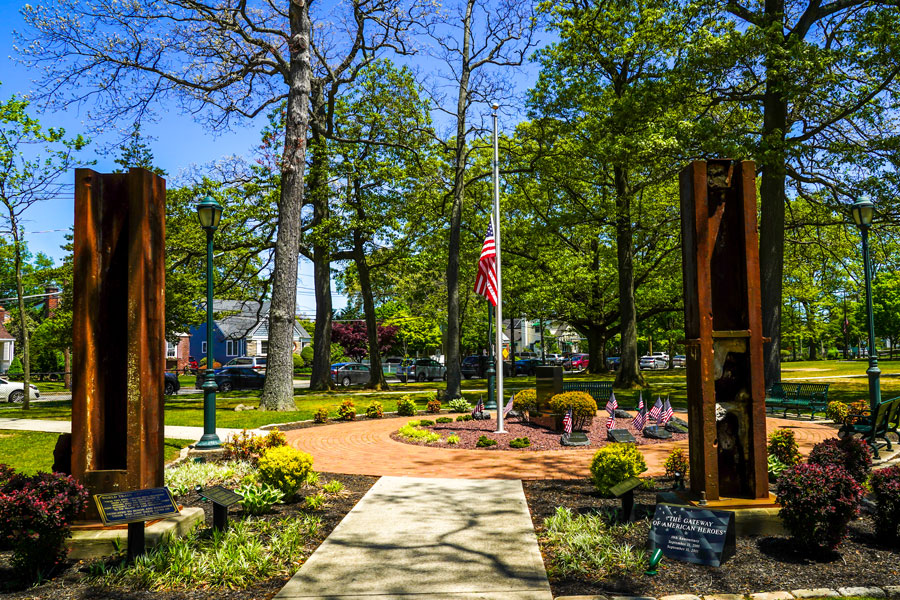
East Rockaway is an incorporated waterfront village in the Town of Hempstead, Nassau County, on Long Island’s South Shore. With roots in a colonial-era tidewater grist mill, a longstanding maritime economy, and a compact collection of residential neighborhoods and business districts, the village has a character that differs from nearby oceanfront resort communities. Its historic mill, September 11 memorial, parks, local restaurants, and two Long Island Rail Road stations make it an interesting place to explore between the larger destinations of southwestern Nassau County.
The village is connected to the waterways of the Mill River and the wider South Shore estuary, while nearby Long Beach provides access to the Atlantic coastline. East Rockaway is not itself an ocean-beach destination. Instead, its appeal comes from the combination of local history, walkable streets, community gathering places, and the working-waterfront traditions that helped shape this part of Long Island.
Location and Community Character
East Rockaway occupies a small section of southwestern Nassau County, south of Lynbrook and near the coastal communities of Oceanside, Bay Park, and Hewlett. It is a separately incorporated village within the Town of Hempstead, with its own village government and municipal services. Residential blocks surround several commercial corridors, including Main Street, Atlantic Avenue, and Centre Avenue. This arrangement gives the community multiple neighborhood centers rather than one large tourist-oriented downtown.
The village has a distinctly lived-in atmosphere. Houses, apartment buildings, storefronts, schools, civic buildings, and waterfront properties sit within a relatively compact area. For residents, the combination of local businesses and rail service is an important convenience. For visitors, it offers an opportunity to see a South Shore community whose history is tied as much to milling, shipping, and everyday village life as to beaches and summer recreation.
Early History: Near Rockaway and the Grist Mill
The area was known in colonial records as Near Rockaway, a name in use by the 17th century. In December 1688, Joseph Haviland received permission from the Town of Hempstead to construct a grist mill on Mill River. The mill was built around 1689, using the movement of tidal water to help power the grinding of grain. Its presence made the settlement an early center of commerce and community activity, drawing farmers, merchants, and people traveling along the local waterways.
The mill was more than a place to process grain. Its waterfront location helped connect local agriculture with coastal shipping, and the surrounding settlement became associated with the movement of oysters, produce, lumber, and other goods. In 1818, Alexander Davison acquired the mill, which became known as the Haviland-Davison Grist Mill. Packet boats and other vessels stopped in the area, reflecting the importance of navigable waterways before railroads and modern highways transformed transportation across Long Island.
As the region changed, the old mill lost its original economic role. The building was eventually used for other commercial purposes, and its survival became a local preservation concern. In 1962, the village acquired the structure to prevent its loss and moved it to Memorial Park near Atlantic and Woods avenues. The preserved building became the East Rockaway Grist Mill Museum, a landmark that connects the present-day village with its earliest documented commercial history. Visitors interested in seeing the museum should confirm whether interior access or guided visits are available before arriving.
From Maritime Village to Railroad Suburb
The community adopted the name East Rockaway in 1869. Rail service followed in the late 19th century, with the East Rockaway station opening in 1880 on the line serving Long Beach. The arrival of the railroad gradually changed how people and goods moved through the area. Waterborne commerce became less central, while rail connections made the village increasingly practical for commuters and families traveling to and from New York City.
East Rockaway incorporated as a village in 1900, when its population was still under 1,000. During the 20th century, new housing and commercial development turned it into a more established suburban community. The village retained elements of its older maritime landscape, however, and its historic mill, waterways, and neighborhood street pattern continue to provide reminders of the settlement that existed before the commuter era.
The United States Census counted 10,159 East Rockaway residents in 2020, a useful measure of how far the community has grown from its early village years. Although it is relatively small in area, its residential population, local institutions, and transportation links give it a substantial role within southwestern Nassau County.
East Rockaway Grist Mill Museum and Memorial Park
The East Rockaway Grist Mill Museum is among the village’s most historically significant landmarks. The preserved mill building stands in Memorial Park near the intersection of Atlantic and Woods avenues. Its timber structure and long history make it an unusual surviving reminder of the tide-powered industries that once supported communities along Long Island’s bays and rivers. The museum is particularly relevant for visitors interested in colonial settlement, local commerce, and the transition from maritime transportation to rail travel.
Memorial Park is also a civic gathering place, with green space and monuments that connect local history with remembrance and community life. The park provides a setting for reflection as well as village activities, although event schedules and access to individual facilities may vary. The Town of Hempstead maintains a historical overview of the grist mill, while the Village of East Rockaway’s history page provides additional background on the settlement and its development.
September 11 Memorial and Community Remembrance
One of East Rockaway’s most moving landmarks is its September 11 Memorial, which features steel recovered from the World Trade Center. The memorial, shown in the photograph at the top of this page, serves as a place to remember those who died in the September 11, 2001 terrorist attacks and the families and neighbors affected by the tragedy. It is an important part of the village’s public landscape, particularly during annual remembrance ceremonies.
The village’s September 2024 remembrance gathering honored 12 neighbors lost in the attacks, bringing together residents, local officials, first responders, and community organizations. The memorial offers a quiet opportunity for reflection throughout the year. As with other places of remembrance, visitors should be considerate of ceremonies, grieving families, and the significance of the site.
Waterfront, Mill River, and Boating Traditions
East Rockaway’s waterways are central to its identity. Mill River and nearby channels connect the community to the broader South Shore tidal system, where marinas, docks, and boating activity remain visible parts of the landscape. The sheltered waters are very different from the open surf of the Atlantic Ocean, but they offer their own scenery, including boats, shoreline vegetation, and views that change with the tides.
People interested in boating and boat rentals can use East Rockaway as a starting point for exploring the surrounding South Shore, though access to individual docks and marinas is often private or subject to local rules. Fishing and other water-related activities depend on the particular shoreline location, tidal conditions, and applicable regulations. Visitors should never assume that a residential dock, bulkhead, or marina is open to the public.
The tidal landscape also supports coastal birds and other wildlife. Herons, egrets, gulls, and seasonal migratory species may be seen in the wider estuary, especially around quieter shoreline areas. Observing the water from public parks and designated access points offers a way to appreciate the natural environment without disturbing residential property or sensitive habitat.
Bay Park and Outdoor Recreation
One of the most useful nearby recreation destinations is Bay Park, a Nassau County park located at 198 First Avenue in East Rockaway. The county describes it as a 96-acre park with athletic fields, basketball and tennis courts, playground areas, and a dog run. The park also has a golf course and access associated with the South Shore Blueway Trail, making it appealing to people looking for activities beyond a traditional neighborhood playground.
Bay Park is especially valuable for families and residents who want open space in a developed part of Nassau County. The setting near the East Rockaway Channel and Hewlett Bay brings a waterfront dimension to the park’s sports and recreation facilities. Some amenities, including boat access and seasonal water-play features, may have separate schedules, operating conditions, or temporary closures. The Nassau County Bay Park information page is the best place to check current facility notices before visiting.
East Rockaway also maintains smaller village parks and recreation spaces, including Memorial Park and other neighborhood facilities. These are better suited to casual walks, local recreation, and community gatherings than to large-scale sightseeing. Together with Bay Park, they offer residents and visitors several ways to spend time outdoors without leaving the immediate area.
Downtown Streets, Dining, and Local Businesses
East Rockaway’s commercial areas are neighborhood-oriented rather than built around major attractions. Main Street and nearby corridors contain restaurants, shops, personal services, and businesses that serve the village throughout the year. A visit might combine a meal or coffee stop with a walk around the historic mill area, a look at the waterfront, or time at a nearby park.
Because businesses open, relocate, and change hours, it is worth checking current listings before planning a specific restaurant or shopping visit. The village’s appeal is less about a single destination and more about its everyday atmosphere, where local businesses and residential streets remain closely connected.
Rail Service and Getting Around
East Rockaway is served by two stations on the Long Island Rail Road’s Long Beach Branch: East Rockaway station near Atlantic and Ocean avenues, and Centre Avenue station farther north. Both provide a practical alternative to driving for travelers coming from other parts of Long Island or New York City. Depending on the timetable, a trip may involve transfers at Jamaica or other stations, so travelers should consult the MTA’s current schedules before departing.
Drivers can reach the village using Atlantic Avenue, Ocean Avenue, and connecting roads from nearby communities, with Sunrise Highway providing an important east-west route to the north. Parking rules vary between station lots, commercial streets, and residential areas. Anyone planning to walk around the village should allow for the fact that waterfront locations and parks are spread across several neighborhoods rather than concentrated at one visitor center.
Nearby Beaches and South Shore Destinations
Although East Rockaway has a coastal identity, it does not have a broad oceanfront beach or a resort-style boardwalk within the village. Travelers seeking an Atlantic beach day can continue to Long Beach, where the oceanfront and boardwalk are major attractions. Other South Shore communities offer additional bayside scenery, restaurants, and waterfront recreation, but each location has its own parking, swimming, and access rules.
The village also makes a convenient stop while exploring Nassau County. Its colonial-era mill provides a contrast to the later suburban development seen in many neighboring communities, while its rail stations and roads connect it to destinations across Long Island. Visitors who enjoy local history may find that the grist mill and memorial provide more distinctive experiences than a conventional shopping or beach itinerary.
Storms, Flooding, and the South Shore Environment
Like other low-lying South Shore communities, East Rockaway faces the challenges of coastal flooding, heavy rain, and major storms. Its tidal connections are part of what gives the village its waterfront character, but they also create exposure during severe weather. Superstorm Sandy in 2012 underscored the vulnerability of homes, infrastructure, and transportation across southwestern Nassau County.
Flood resilience, drainage improvements, emergency preparation, and the condition of shoreline infrastructure remain important concerns for waterfront neighborhoods. Visitors planning outdoor activities should pay attention to weather forecasts and official alerts, particularly when coastal flood advisories or storms are expected. The village’s waterways and parklands are valuable assets, but they require the same careful stewardship as the wider South Shore estuary.
Planning a Visit to East Rockaway
A satisfying visit can begin near Memorial Park, where the historic grist mill and September 11 Memorial provide an introduction to the village’s past and community identity. From there, visitors can explore local streets and businesses or continue to Bay Park for outdoor recreation. Those arriving by train should decide in advance whether East Rockaway station or Centre Avenue station is more convenient for their destination.
The grist mill museum may not have regular walk-in hours, and parks, recreation facilities, and parking areas can have their own restrictions. For the most useful experience, check official village and county information before traveling, especially if the main purpose of the visit is a museum tour, organized event, sports facility, or boat launch. East Rockaway is a working residential village, so respecting private property and using designated public access points is essential.
East Rockaway, New York
Key Facts and Details
| Category | Details |
|---|---|
| Community | Incorporated village in the Town of Hempstead, Nassau County, New York |
| Region | South Shore of Long Island |
| Historical Name | Near Rockaway; the name East Rockaway was adopted in 1869 |
| Incorporated | 1900 |
| Population | 10,159 residents (2020 U.S. Census) |
| ZIP Code | 11518 |
| Historic Landmark | East Rockaway Grist Mill Museum, a preserved tidewater mill originating around 1689 |
| Memorial | September 11 Memorial featuring steel recovered from the World Trade Center |
| Waterways | Mill River and connected South Shore tidal channels |
| Rail Service | Long Island Rail Road Long Beach Branch, East Rockaway and Centre Avenue stations |
| Nearby Recreation | Bay Park, Memorial Park, village parks, boating and waterfront views |
| Nearby Oceanfront | Long Beach and other South Shore beach communities |
| Visitor Information | Check museum hours, park notices, local parking regulations, and train schedules before traveling |
East Rockaway brings together several layers of South Shore history in a compact village setting. From the 17th-century grist mill and the waterfront commerce that followed to the railroad, local parks, and memorials of the modern era, its landmarks tell the story of a community that has adapted while retaining a strong sense of place. For travelers looking beyond Long Island’s major beaches and shopping districts, East Rockaway offers a meaningful combination of heritage, neighborhood life, and access to the coast.
Explore seasonal activities on Long Island:
🍎 Apple Picking | 🍂 Fall Festivals | 🦃 Thanksgiving Dinner & Activities | 🎄 Holiday Lights & Christmas