
Where can I see seals?
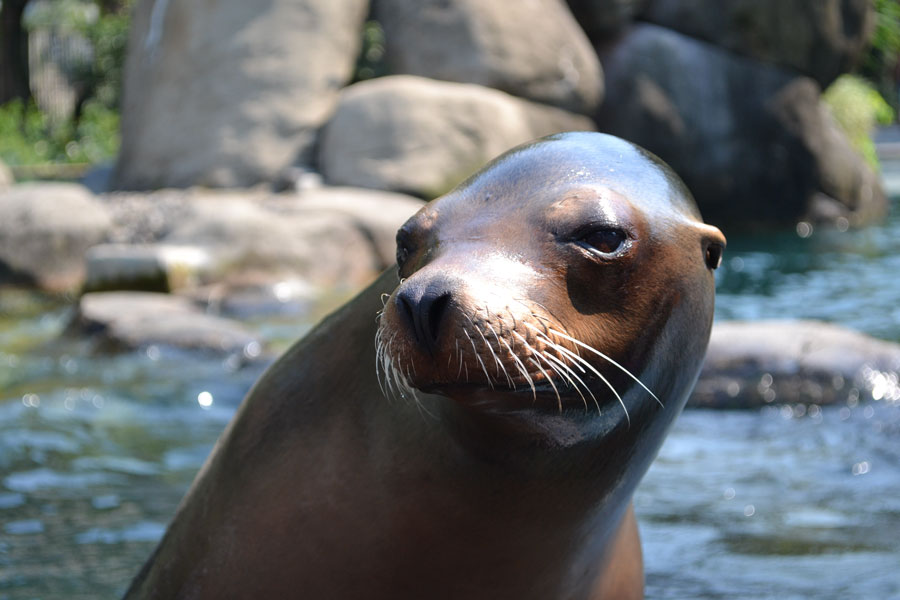
Long Island is one of the best places in New York to observe wild seals, particularly during the colder months when harbor seals and gray seals gather near beaches, rocky shorelines, offshore islands, and protected coastal waters. Visitors may see seals around Montauk, Orient Point, Jones Beach State Park, and portions of Fire Island National Seashore.
Seal sightings are never guaranteed because the animals are wild and constantly moving. Weather, tides, food supplies, water conditions, and human activity can all affect where seals gather on a particular day. Visitors who would rather see marine mammals in a controlled setting can also visit the Long Island Aquarium in Riverhead, which presents California sea lions and other marine animals throughout the year.
In Short
The best time to see wild seals on Long Island is generally from late fall through early spring, with the most dependable viewing opportunities occurring from December through March. Montauk is the island’s best-known seal-watching destination, while Orient Point, Jones Beach, and the coastline around Fire Island provide additional possibilities. Bring binoculars, dress for cold coastal weather, and remain at least 50 yards, or approximately 150 feet, from the animals.
Where Can I See Wild Seals on Long Island?
Wild seals can appear along much of Long Island’s coastline, but they are most commonly observed in quieter areas where they can rest without being disturbed. Seals often leave the water and gather on exposed rocks, sandbars, beaches, and small offshore islands. This behavior is known as hauling out and allows them to conserve energy, warm themselves, digest food, and rest between feeding trips.
Montauk, at the far eastern end of the South Fork, is generally considered Long Island’s premier seal-watching area. The waters near Montauk Point Lighthouse sit near the meeting place of the Atlantic Ocean and Block Island Sound. Seals are frequently seen resting on rocks offshore from Montauk Point State Park, and guided winter seal walks have traditionally been offered in the area.
Visitors should expect to walk along uneven coastal trails and should bring binoculars rather than attempting to approach the shoreline rocks. Conditions at Montauk Point can be colder and windier than those farther inland, especially during the winter seal-watching season.
Orient Point, at the eastern tip of the North Fork, is another important area for seasonal seal activity. The surrounding waters connect Long Island Sound, Gardiners Bay, and waters near Plum Island. Seals sometimes gather on offshore rocks and islands that are difficult or impossible to reach from land, making seasonal wildlife cruises especially useful in this part of the East End.
Orient Beach State Park also provides access to protected coastal scenery and views of the surrounding waterways. A seal sighting from the park is possible but cannot be guaranteed, and visitors should never enter closed areas or attempt to move closer to wildlife resting offshore.
On the South Shore, Jones Beach State Park is one of the most accessible places to look for seals. Harbor seals may be seen swimming in surrounding waters or resting on marsh islands during winter. The Jones Beach Energy and Nature Center at the park’s West End has also hosted seasonal seal walks and coastal education programs.
Additional sightings are possible along Fire Island National Seashore and at Robert Moses State Park. These destinations include long stretches of ocean shoreline, inlets, dunes, marshes, and relatively undeveloped coastal habitat. Seals may occasionally appear near Fire Island Inlet or along quieter portions of the ocean beach, although casual visitors should not expect a sighting during every trip.
When Is the Best Time to See Seals?
Long Island’s main seal-watching season generally begins in late fall and continues into early spring. Harbor seals and other visiting species travel into New York waters as temperatures decline, while sightings become much less common during the warmer part of the year.
December through March usually provides the best overall chance of observing seals. Some may begin arriving in November, and individual animals may remain into April before moving toward cooler northern waters. An occasional seal may appear outside this period, but summer is not considered the primary viewing season.
Tides can also influence viewing conditions. At lower tide, exposed rocks, marsh islands, and sandbars may provide more places for seals to haul out and rest. However, the best tidal conditions vary by location, and seals may remain in the water even when a suitable resting area is exposed.
Clear, calm days can make offshore animals easier to see, although bright sunlight reflecting from the water may create glare. Morning outings sometimes provide calmer weather and fewer visitors, but wildlife movement is unpredictable. Checking the forecast through the Long Island weather guide before traveling is especially important during winter.
Guided Seal Walks and Wildlife Cruises
Guided seal walks are one of the easiest ways to learn where and how to look for seals. Naturalists can explain the animals’ seasonal migration, behavior, feeding patterns, and role in Long Island’s coastal ecosystem. They can also help participants distinguish distant seals from rocks, waves, floating debris, and seabirds.
Seasonal programs have been offered at Montauk Point and Jones Beach during the winter. Dates, registration requirements, age limits, fees, and meeting locations may change from year to year, so visitors should confirm current programs before traveling. Some walks cover rocky or sandy terrain and may not be suitable for every visitor.
Wildlife cruises may provide better views of offshore resting areas near Montauk, Orient Point, and Plum Island. These trips can reach waters where seals gather on rocks or small islands that cannot be viewed easily from public roads or beaches. Responsible boat operators remain far enough away to avoid causing the animals to enter the water or change their behavior.
What Types of Seals Visit Long Island?
Harbor seals are the species most commonly observed around Long Island. They have rounded heads, relatively short snouts, and spotted coats that can range from light gray to dark brown. Harbor seals are smaller than some other seal species and often rest in groups on offshore rocks or marsh islands.
Gray seals are also found in New York waters. They can grow considerably larger than harbor seals and generally have longer heads with more sloping facial profiles. Their appearance varies with age and sex, and distinguishing a gray seal from a harbor seal can be difficult when the animal is far offshore.
Less commonly, harp seals and hooded seals may appear in the region. These northern species sometimes travel far from their usual range, particularly during winter. An unfamiliar seal found alone on a beach should still be treated as a wild animal and observed only from a considerable distance.
Why Do Seals Come to Long Island?
Long Island is positioned along productive coastal waters where seals can find fish and other prey. Its barrier beaches, offshore rocks, marsh islands, inlets, bays, and protected shorelines also provide places where the animals can rest between feeding trips.
Seals spend much of their time in the water, but resting on land is a normal and necessary part of their behavior. A seal lying quietly on the beach is not automatically stranded, abandoned, or injured. It may simply be sleeping or recovering after swimming and feeding.
Visitors should be especially careful not to block a resting seal’s route back to the water. Crowding an animal, surrounding it with people, or allowing dogs to approach can cause stress and may force it to leave a safe resting place before it is ready.
Can I See Seals at an Aquarium on Long Island?
Visitors who want a more predictable marine-mammal experience can visit the Long Island Aquarium in Riverhead. The aquarium does not primarily feature the wild harbor seals commonly seen around Long Island. Instead, it is known for its California sea lions, which appear in educational presentations and animal-care programs.
Sea lions and seals are closely related, but they are not the same animals. Sea lions have visible external ear flaps, longer front flippers, and hind flippers that rotate beneath their bodies, allowing them to move more easily on land. True seals have no visible external ear flaps, shorter front flippers, and generally move across land by wriggling or sliding.
The aquarium remains a good choice for families who want to see a seal-like marine mammal without depending on winter weather or an unpredictable wildlife sighting. Its indoor and outdoor exhibits also provide opportunities to see fish, sharks, penguins, and other marine life associated with coastal and ocean environments.
Visitors specifically hoping to see true seals in a managed environment may need to visit a larger regional aquarium beyond Long Island, as exhibits and animal collections vary.
How Close Can I Get to a Wild Seal?
People and pets should remain at least 50 yards, or approximately 150 feet, from wild seals. If an animal raises its head repeatedly, watches nearby people, becomes restless, vocalizes, shifts position, or begins moving toward the water, observers are probably too close and should move farther away.
Binoculars or a camera with a telephoto lens provide a much better view without disturbing the animal. Visitors should never approach a seal for a close photograph, attempt to pose beside it, surround it, chase it, or make noises intended to attract its attention.
Dogs should be kept leashed and well away from seals. Even a friendly dog can frighten or injure a resting animal, while seals have sharp teeth and can seriously bite a pet that approaches too closely.
Can I Touch or Feed a Seal?
Wild seals should never be touched, fed, handled, moved, covered, or pushed back into the water. They are protected marine mammals, and interfering with their normal behavior can endanger both the animal and the person approaching it.
Feeding seals may teach them to associate people and boats with food, making them more likely to approach humans in the future. It can also expose them to inappropriate food and increase the chance of injury from fishing equipment or boat traffic.
A resting seal does not need to be kept wet, shaded with a blanket, or carried toward the water. These well-intentioned actions can cause serious stress and prevent trained wildlife responders from assessing the animal properly.
What Should I Do If I Find a Seal on the Beach?
Remain at least 150 feet away, keep other people and pets from approaching, and observe the seal quietly. Do not assume it is stranded simply because it is on land. Healthy seals commonly come ashore to rest.
A seal may require professional attention if it appears badly injured, entangled in fishing line or netting, bleeding heavily, unable to move normally, or unusually weak and unresponsive. In those circumstances, contact the New York State Marine Mammal and Sea Turtle Stranding Hotline at 631-369-9829. Provide the precise location, nearby landmarks, a description of the animal, and photographs taken from a safe distance.
Do not attempt a rescue yourself. Coastal conditions, waves, tides, unstable rocks, and the animal’s defensive behavior can place untrained rescuers in danger. Following the instructions of trained responders gives the seal the best chance of receiving appropriate care.
What Should I Bring for Seal Watching?
Binoculars are the most useful item for a seal-watching trip because the animals should be viewed from a considerable distance. A camera with a telephoto lens can also provide photographs without requiring the visitor to approach the shoreline or resting area.
Winter temperatures along the coast can feel significantly colder because of wind and moisture. Wear warm layers, gloves, a hat, wind-resistant outerwear, and sturdy waterproof footwear. Trails and beaches may be icy, muddy, rocky, or covered with loose sand.
Visitors should remain on marked trails, stay out of protected dunes, observe posted closures, and carry out all trash. Before leaving home, check park hours, road conditions, tides, weather forecasts, and any registration requirements for guided programs.
Other Long Island Wildlife Experiences
People interested in seals may also enjoy other opportunities to observe Long Island’s coastal wildlife. Seasonal whale-watching trips travel into the Atlantic in search of humpback whales, dolphins, and other marine animals, while the island’s wetlands, beaches, and preserves provide excellent birdwatching throughout the year.
Visitors can also explore the coastline through kayaking, paddleboarding, boating, and shore-based nature walks. Anyone entering areas used by wildlife should maintain a respectful distance and avoid paddling or boating directly toward resting seals.
Additional outdoor destinations can be found through the guide to Long Island parks, the overview of the best beaches on Long Island, and the guide to things to do on Long Island.
Key Facts and Details
| Category | Details |
|---|---|
| Best Overall Wild Seal Viewing | Montauk and the waters near Montauk Point Lighthouse |
| North Fork Viewing Area | Orient Point, Orient Beach State Park, and the waters near Plum Island |
| Nassau County Option | Jones Beach State Park |
| Other South Shore Areas | Fire Island National Seashore and Robert Moses State Park |
| Best Time to Visit | Late fall through early spring, with the strongest viewing generally from December through March |
| Common Species | Harbor seals and gray seals; harp and hooded seals may appear less frequently |
| Recommended Viewing Distance | At least 50 yards, or approximately 150 feet, for both people and pets |
| Guided Experiences | Seasonal naturalist-led seal walks and wildlife cruises, particularly around Montauk, Jones Beach, and Orient Point |
| Managed Marine-Mammal Viewing | California sea lions at the Long Island Aquarium in Riverhead |
| What to Bring | Binoculars, warm layered clothing, waterproof footwear, and a camera with a telephoto lens |
| Stranding Hotline | 631-369-9829 for an injured, entangled, or distressed marine mammal or sea turtle |
| Related Activities | Whale watching, birdwatching, kayaking, and visiting Long Island parks |
Watching wild seals is one of Long Island’s most memorable winter wildlife experiences. Whether visitors join a guided walk near Montauk, search the offshore waters around Orient Point, explore Jones Beach, or enjoy the marine exhibits at the Long Island Aquarium, the island provides several ways to learn about these fascinating animals. Observing seals quietly and from a respectful distance helps protect them while preserving the experience for future visitors.
Are you ready for fall on Long Island? Check out these local seasonal guides:
🍎 Apple Picking 🍓 Strawberry Picking 🎃 Pumpkin Picking 👻 Haunted Houses 🍂 Farm Festivals