
What are Long Island’s oldest towns?
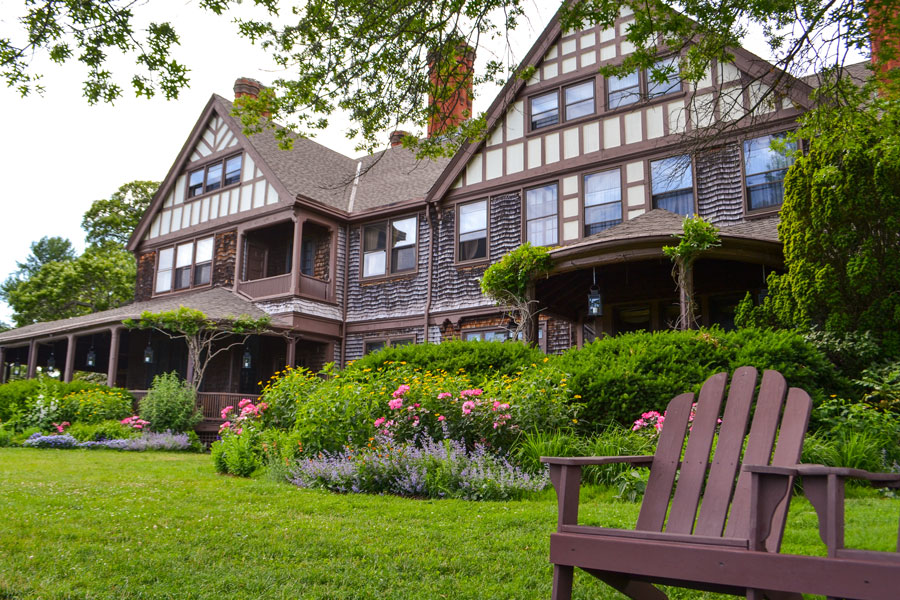
Several of Long Island’s oldest towns date back to the 1600s, when English and Dutch settlers established farming, fishing, and trading communities that still exist today. Many of these historic towns retain colonial landmarks, village greens, historic homes, churches, and museums that reflect more than three centuries of Long Island history.
In Short
Among Long Island’s oldest towns are Southold, Southampton, Huntington, Oyster Bay, Hempstead, Brookhaven, and Smithtown. Most were founded during the 17th century and played important roles in the island’s early development.
What Are Long Island’s Oldest Towns?
European settlement on Long Island began in the early 1600s, although Indigenous peoples had lived here for thousands of years before the arrival of Dutch and English colonists. Many of today’s towns trace their origins to small farming settlements that gradually developed into thriving communities while preserving much of their historic character.
Southold, founded in 1640, is widely recognized as one of Long Island’s earliest English settlements. Soon afterward, nearby Southampton was established in 1640, followed by communities including Hempstead (1644), Huntington (1653), Oyster Bay (1653), Brookhaven (1655), and Smithtown (1665).
Today, these historic towns remain popular destinations for visitors interested in colonial history, museums, waterfront villages, historic churches, preserved homes, local festivals, and scenic downtown districts. Many also serve as gateways to Long Island’s beaches, parks, vineyards, and nature preserves.
While modern development has transformed much of Long Island, these communities continue to celebrate their heritage through historic landmarks, walking tours, annual festivals, and local historical societies that help preserve the island’s rich past.
Quick Facts
| Historic Town | Founded | Known For |
|---|---|---|
| Southold | 1640 | One of Long Island’s earliest English settlements and gateway to the North Fork. |
| Southampton | 1640 | Historic village, beaches, and one of the oldest English settlements in New York. |
| Hempstead | 1644 | One of America’s oldest continuously inhabited communities. |
| Huntington | 1653 | Historic harbor village with vibrant downtown and waterfront. |
| Oyster Bay | 1653 | Home of Sagamore Hill and Theodore Roosevelt’s Summer White House. |
| Brookhaven | 1655 | Long Island’s largest town by area and home to numerous parks and beaches. |
| Smithtown | 1665 | Historic North Shore community associated with the legend of Richard “Bull” Smith. |
From colonial settlements established nearly 400 years ago to vibrant modern communities, Long Island’s oldest towns offer a fascinating glimpse into the region’s history. Exploring these communities provides visitors with an opportunity to experience historic architecture, museums, waterfronts, and landmarks that helped shape Long Island into the place it is today.
Are you ready for fall on Long Island? Check out these local seasonal guides:
🍎 Apple Picking 🍓 Strawberry Picking 🎃 Pumpkin Picking 👻 Haunted Houses 🍂 Farm Festivals