
Gordon Heights, New York
Gordon Heights is a small residential hamlet and census-designated place (CDP) in the Town of Brookhaven, Suffolk County, with an important place in Long Island’s African American history. Established in 1927, the community developed as a place where Black families from New York City and elsewhere could purchase property, build homes, establish businesses, and create a neighborhood of their own during an era when discrimination sharply restricted housing opportunities.
Located in central Suffolk County between Coram, Medford, Middle Island, and Yaphank, Gordon Heights is primarily composed of single-family homes, neighborhood streets, churches, community organizations, and wooded residential properties. It does not have a traditional downtown, large shopping district, or major tourism center, but its history gives the hamlet an identity unlike that of many surrounding communities.
A Community Founded in 1927
Gordon Heights was established in 1927 as residential land in central Brookhaven was divided and offered to African American buyers. Developer Louis Fife acquired property and marketed affordable parcels to Black families, including people living in Harlem and other parts of New York City. Buyers were able to purchase land and gradually construct homes, often relying on their own labor and help from relatives and neighbors.
The community emerged during a period when restrictive housing practices made it difficult for African Americans to buy homes in many parts of Long Island and the wider New York metropolitan area. Gordon Heights offered an opportunity for homeownership, greater independence, and the creation of a community supported by local institutions and resident-owned businesses.
Early residents encountered the difficulties of developing a new settlement with limited infrastructure. Roads, utilities, drainage, transportation, and emergency services were not always readily available. Families and community leaders worked together to improve local conditions, organize civic institutions, and establish services that other developed communities already possessed.
Businesses, Hotels and Community Life
As Gordon Heights grew, it became known for restaurants, hotels, gathering places, and other businesses owned and operated by residents. These establishments served local families while also attracting visitors to the community, particularly during a time when Black travelers were not equally welcomed at many hotels and restaurants elsewhere.
Churches, civic associations, social organizations, and neighborhood businesses became central to community life. They provided places for worship, meetings, entertainment, celebrations, and mutual assistance. This network of institutions helped Gordon Heights become a self-reliant community with a strong sense of identity and local pride.
Although many of the early businesses and gathering places have changed or disappeared, the community’s history remains visible through its families, churches, civic groups, annual events, and continued recognition of the people who helped build Gordon Heights.
Gordon Heights Fire Department
The Gordon Heights Fire Department is one of the hamlet’s most important community institutions. Organized in 1947 after residents recognized the need for dependable local fire protection, the volunteer department became closely tied to the growth and self-determination of Gordon Heights.
The department and Gordon Heights Fire District serve portions of the surrounding area in addition to the central community. Beyond emergency response, the firehouse has long functioned as a gathering place for public meetings, celebrations, educational programs, and events recognizing Black history and local achievement.
Residential Character
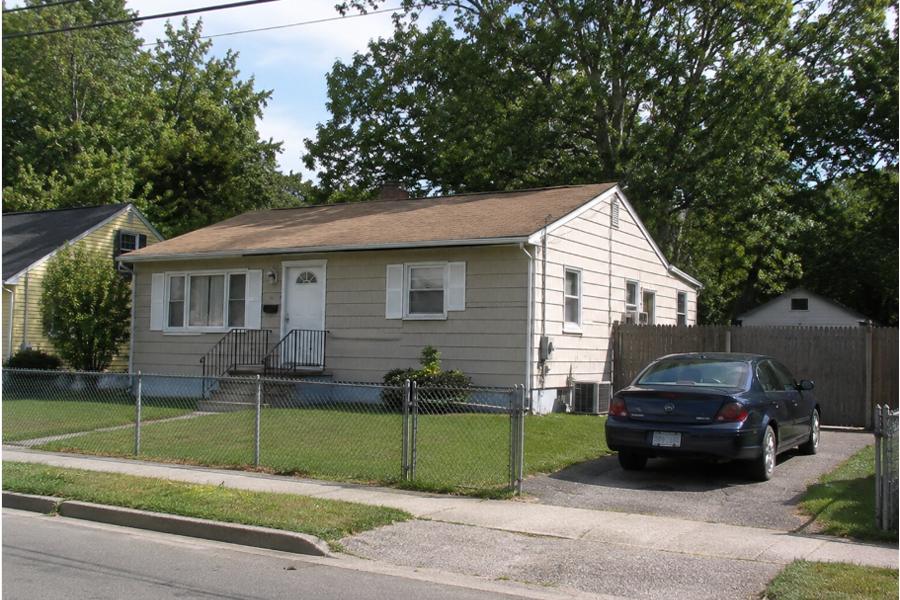
Gordon Heights is predominantly residential, with detached homes on streets that range from compact neighborhood blocks to more lightly developed roads bordered by trees and undeveloped land. Homes vary considerably in age and style, reflecting the community’s gradual development rather than construction as a single planned suburban subdivision.
The hamlet has little large-scale commercial development within its census-defined boundaries. Residents generally use commercial corridors in Coram, Medford, Middle Island, and other parts of the Town of Brookhaven for major shopping, dining, healthcare, and professional services. This limited commercial base contributes to the largely residential appearance of Gordon Heights.
Schools and Community Services
Gordon Heights is generally served by the Longwood Central School District. School assignments should be confirmed for an individual address because postal communities, census boundaries, school districts, fire districts, and other municipal service areas do not always follow the same lines.
The hamlet is represented through the Town of Brookhaven rather than an incorporated village government. Municipal services are therefore provided through the town, county, school district, fire district, utility providers, and other regional agencies. Gordon Heights’ status as a hamlet is part of the broader system of municipalities, villages, and hamlets found across Long Island.
Transportation
Gordon Heights is served by local roads including Gordon Heights Road, Granny Road, and several residential streets connecting the hamlet with Coram, Medford, Middle Island, and Yaphank. The community is also within driving distance of the Long Island Expressway and the William Floyd Parkway, providing access to other parts of central and eastern Long Island.
Gordon Heights does not have its own Long Island Rail Road station. The Medford station on the Ronkonkoma Branch is among the closest rail options, although train service there is more limited than at larger stations farther west. Suffolk County Transit provides regional bus service in central Brookhaven, with routes and schedules subject to change.
Map of Gordon Heights, New York
Key Facts & Details
| Location | Central Suffolk County, Long Island |
|---|---|
| Municipality | Town of Brookhaven |
| Community Type | Hamlet and census-designated place |
| Established | 1927 |
| 2020 Population | 3,981 residents |
| Approximate Area | About 1.7 square miles |
| Known For | Historic African American community, homeownership, resident-owned businesses, civic organizations, and community pride |
| Community Character | Primarily residential, suburban, and lightly wooded |
| School District | Longwood Central School District |
| Fire Protection | Gordon Heights Fire Department and Gordon Heights Fire District |
| Major Local Roads | Gordon Heights Road, Granny Road, and Yaphank-Middle Island Road |
| Regional Highway Access | Long Island Expressway and William Floyd Parkway |
| Nearest LIRR Station | Medford |
Gordon Heights may be unfamiliar to many Long Islanders, but its story is an important part of the region’s history. Created during an era when African American families faced major barriers to property ownership, the community grew through the determination of residents who purchased land, built homes, opened businesses, organized institutions, and established essential services. Nearly a century later, Gordon Heights remains a distinct central Suffolk County community shaped by homeownership, civic involvement, and generations of local pride.
Are you ready for fall on Long Island? Check out these local seasonal guides:
🍎 Apple Picking 🍓 Strawberry Picking 🎃 Pumpkin Picking 👻 Haunted Houses 🍂 Farm Festivals