
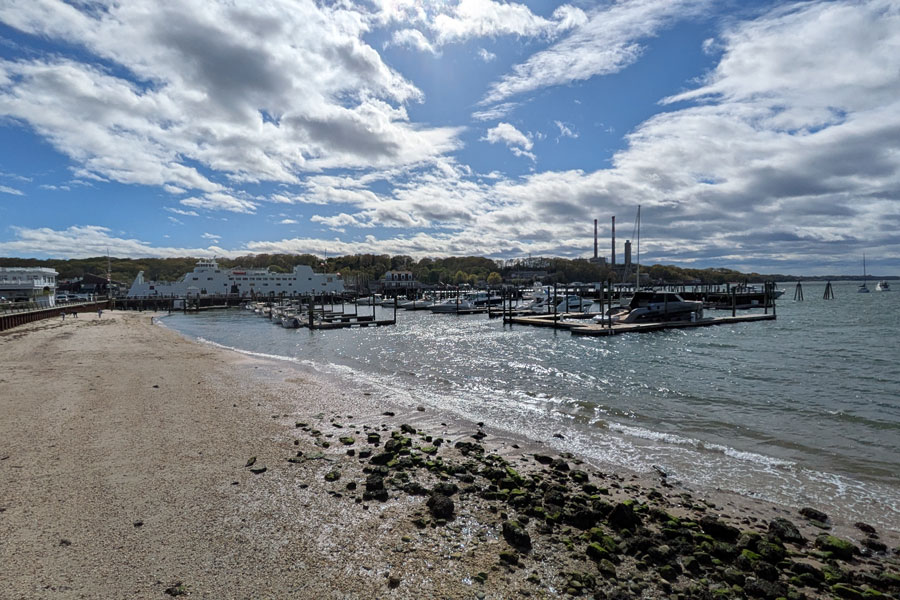
Port Jefferson Harbor is one of Long Island’s most picturesque natural harbors, located on the North Shore in Suffolk County. Opening into the Long Island Sound, the harbor serves as the centerpiece of the Village of Port Jefferson and has long been an important destination for boating, maritime activity, fishing, and waterfront recreation. Today, it combines a rich nautical heritage with marinas, waterfront restaurants, scenic parks, and year-round opportunities to enjoy the shoreline.
The harbor has played a significant role in Long Island’s history for centuries. Once supporting shipbuilding, commercial fishing, and coastal trade, Port Jefferson Harbor later became a popular destination for recreational boating and tourism. Today, it remains home to the Bridgeport & Port Jefferson Ferry, linking Long Island with Bridgeport, Connecticut, while its protected waters attract sailboats, powerboats, kayakers, paddleboarders, and anglers throughout much of the year.
Beyond its maritime importance, Port Jefferson Harbor serves as the focal point for many of the area’s festivals, outdoor events, waterfront dining spots, and public gathering spaces. Visitors can stroll along the harborfront, watch ferries arrive and depart, enjoy panoramic views of the Long Island Sound, or simply relax while taking in one of the North Shore’s best-known working waterfronts.
Things to Do at Port Jefferson Harbor
Port Jefferson Harbor offers something for nearly every visitor. Recreational boaters enjoy its protected waters and marina access, while anglers fish from boats and selected shoreline areas where access is permitted. Kayakers and paddleboarders frequently explore the calmer inner harbor waters, especially in the warmer months.
The surrounding waterfront features restaurants, cafés, shops, parks, and seasonal events that help make the harbor one of Suffolk County’s most popular gathering places. Visitors can spend time at Harborfront Park, walk through the village center, board the Port Jefferson Ferry for service across the Long Island Sound, or simply enjoy watching pleasure craft and commercial traffic move through the harbor.
History
Port Jefferson Harbor has been central to the area’s development since colonial times. During the nineteenth century, the harbor became one of Long Island’s leading shipbuilding centers, supporting commercial trade, fishing fleets, and maritime industries. As large-scale shipbuilding declined, recreational boating, tourism, and ferry transportation became increasingly important to the local economy.
Today, the harbor continues to serve both residents and visitors while preserving its strong maritime identity. Historic buildings, waterfront businesses, and community events help maintain the area’s connection to its nautical past.
Recreation & Wildlife
The harbor supports a diverse coastal ecosystem that attracts numerous bird species throughout the year. Ospreys, herons, gulls, waterfowl, and migrating shorebirds are commonly seen around the shoreline and nearby marshes. Harbor waters also support a variety of fish species popular with recreational anglers, and nearby Sound waters may occasionally bring additional marine life into view.
Walking along the waterfront provides opportunities for photography, wildlife observation, and sweeping views of the Long Island Sound. Nearby parks and public spaces make the harbor an appealing stop for visitors looking to experience one of Long Island’s most scenic waterfront destinations.
Nearby Communities
Port Jefferson Harbor is bordered by the Village of Port Jefferson and the Village of Belle Terre, with Port Jefferson Station, Mount Sinai, Setauket, and other North Shore communities located just minutes away. Together, these communities offer museums, beaches, parks, marinas, restaurants, shopping, and cultural attractions that complement the harbor’s waterfront setting.
Port Jefferson Harbor
Key Facts & Details
| Feature | Details |
|---|---|
| Location | North Shore of Long Island, Port Jefferson, Suffolk County |
| Water Body | Natural harbor opening into the Long Island Sound |
| Known For | Port Jefferson Ferry, boating, marinas, waterfront dining, fishing, and scenic harbor views |
| Primary Uses | Recreational boating, ferry transportation, fishing, kayaking, paddleboarding, and sightseeing |
| Nearby Communities | Port Jefferson, Belle Terre, Port Jefferson Station, Mount Sinai, and Setauket |
| Nearby Attractions | Harborfront Park, Port Jefferson Ferry, village center, and nearby North Shore parks |
| Wildlife | Waterfowl, shorebirds, fish, and seasonal migratory birds; additional marine wildlife may occasionally be seen in nearby Sound waters |
| Water Access | Marinas, ferry terminal, and waterfront parks; launch and access details may vary by location and season |
| Activities | Boating, sailing, fishing, kayaking, paddleboarding, walking, photography, and waterfront dining |
| Character | Historic, scenic, active, and family-friendly waterfront destination |
Before visiting, keep in mind that parking rules, marina access, launch availability, event schedules, and ferry service details may change by season or operator. It is a good idea to check ahead with the village, marina, or ferry service if you are planning a trip around a specific activity.
Port Jefferson Harbor combines natural beauty, maritime history, and year-round recreation in one of Long Island’s most recognizable waterfront destinations. Whether you’re boarding the ferry, enjoying a meal overlooking the water, launching a kayak, or simply watching the boats pass through the harbor, Port Jefferson Harbor remains one of the North Shore’s defining coastal landmarks.