
Oak Island, New York
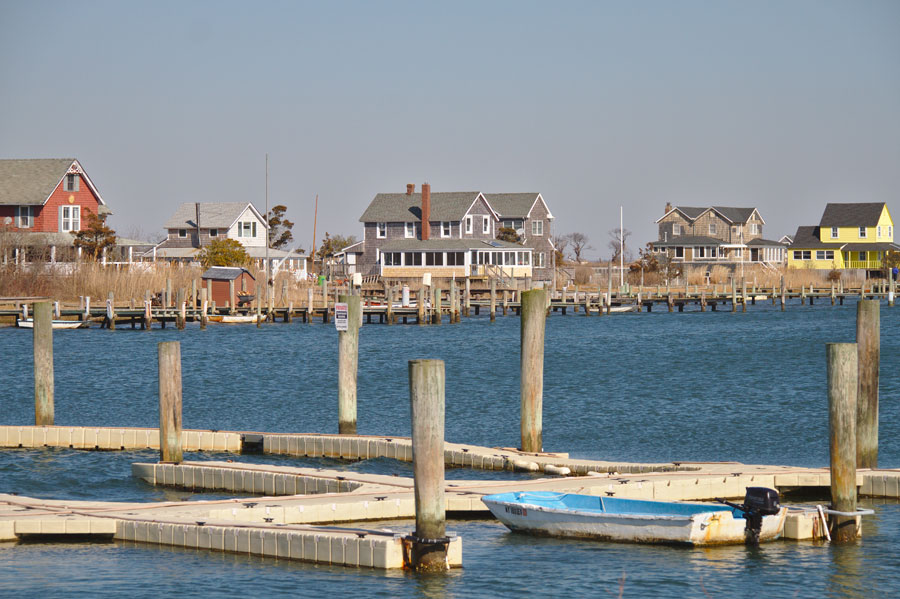
Oak Island is a small, boat-access residential island in the Town of Babylon, Suffolk County, on the southern shore of Long Island. Set in the waters of the Great South Bay immediately north of the Oak Beach barrier-beach area, the island is distinguished by waterfront cottages, private docks, a shared boardwalk, and an unusually secluded setting. It is a real residential community rather than a public beach, commercial marina, or conventional sightseeing attraction.
Although the nearby Ocean Parkway corridor provides road access to the barrier beaches, it does not connect directly to Oak Island. Residents and invited guests rely on boats to reach the community, and the island’s relationship with the bay shapes everything from transportation to the appearance of its shoreline. For visitors exploring the South Shore, understanding Oak Island offers a glimpse of a coastal way of life that has become increasingly rare in the New York metropolitan region.
Where Oak Island Is Located
Oak Island occupies a small marsh island just north of Oak Beach and west of the Captree Island area. It sits within the western reaches of the Great South Bay, a shallow estuarine environment separated from the Atlantic Ocean by Long Island’s barrier-beach system. From the mainland, the general area is reached by routes leading toward the Robert Moses Causeway and Ocean Parkway, but the final journey to Oak Island itself is over water.
The distinction between Oak Island and Oak Beach matters. Oak Beach is a separate residential community along the barrier-beach corridor, while Oak Island is the smaller, offshore island to its north. The Town of Babylon’s account of local place names explains that historic maps also used the names Oak Island Beach and Oak Beach Island for a much larger barrier island. That older terminology can make maps, property records, and historical descriptions confusing unless the period and location are taken into account.
History: From a Summer Cottage to a Waterfront Community
The beginnings of Oak Island’s residential history can be traced to 1879, when Henry Livingston, editor of the South Side Signal newspaper, built a cottage called Little Rest. The Town of Babylon’s barrier-beach history identifies it as the island’s first beach cottage. In the years that followed, other families established summer retreats in the same sheltered bay setting, creating the foundations of a small seasonal neighborhood.
Local historical material collected by the Barrier Beach Civic Association identifies Benjamin Field as the builder of a second house in 1882–1883 and Charles Searle as the builder of a third in 1884. Additional cottages followed. This early pattern of individual waterfront homes, rather than a planned mainland-style subdivision, helps explain the island’s intimate scale and the importance of its shared pedestrian spaces.
Before modern parkways and bridges changed travel along the coast, reaching Babylon’s barrier beaches commonly involved boats or ferries across the bay. The broader shoreline supported fishing, shellfishing, seasonal recreation, and summer cottages. Construction of Ocean Parkway during the twentieth century made nearby barrier-beach destinations easier to reach by automobile, but Oak Island retained its distinctive boat-only access. Unlike most neighboring beach communities, it never acquired an ordinary public road connection to the mainland or parkway.
The island is also part of a wider story of land tenure on Babylon’s southern waterfront. Historical and state planning materials describe residences on town-owned land under long-term lease arrangements. Those arrangements are an important feature of the community’s past and present, but the details of any particular property, lease, improvement, or transfer should be confirmed directly with the appropriate local authorities and current documents.
Cottages, Docks, and the Island Boardwalk
Oak Island’s most recognizable features are its low-rise waterfront cottages and small docks extending into sheltered bay waters. The developed residential area occupies only part of the island, leaving a substantial surrounding landscape of marsh and tidal habitat. Buildings and outdoor spaces are arranged for a setting in which arriving by boat and moving about on foot are ordinary parts of life.
A shared boardwalk links the seasonal cottages and provides a practical pedestrian route where conventional paved streets would be difficult to maintain. This layout gives the community a different appearance from the road-oriented neighborhoods of Babylon or the mainland South Shore. The boardwalk is a functional part of the island’s geography, not simply a decorative waterfront promenade.
Historical environmental planning documents have described approximately fifty homes on Oak Island, but such figures reflect the time of the study and should not be treated as a verified current property count. What remains clear is the community’s small scale, with residential structures concentrated near the island’s southern edge and broad areas of tidal landscape beyond.
Boat Access and Visiting Considerations
Oak Island has no conventional bridge or public road for automobiles, and visitors should not assume that a scheduled ferry, public water taxi, or visitor dock is available. Trips are generally arranged by residents or invited guests using private boats and suitable docking arrangements. A drive along Ocean Parkway may bring travelers close to the island geographically, but it does not provide direct entry.
The community is residential, and docks, yards, and homes should be treated as private property. Although historical planning documents discuss public rights involving certain town-owned walkways, those descriptions do not establish a practical visitor transportation service or unrestricted access to residential facilities. Anyone planning to land a vessel or visit someone on the island should confirm permission, safe docking, and local conditions in advance.
For most people interested in the island’s landscape, an outing on the Great South Bay or a visit to an established nearby public waterfront destination is a more appropriate way to appreciate the setting. Boaters should consult current navigation charts, marine forecasts, tidal conditions, and applicable rules rather than treating the island as an unmarked recreational landing site.
Salt Marshes, Wildlife, and the Great South Bay
Oak Island is more than a collection of waterfront houses. Much of the surrounding land is salt marsh, part of the coastal ecosystem that supports the Great South Bay. Marsh grasses, tidal channels, mudflats, and shallow water provide habitat and feeding areas for fish, shellfish, wading birds, and other wildlife. The transition from developed shoreline to open marsh is one of the island’s defining physical characteristics.
A federal transportation and environmental study described the undeveloped portions of Oak Island as feeding habitat for northern harriers, waterfowl, and wading birds. Such habitats are particularly valuable because coastal development has altered many other stretches of Long Island shoreline. The island’s marsh setting is therefore significant not only for scenery and privacy but also for the wider ecology of the bay.
Water levels and shoreline conditions change with the tide, wind, and weather. The same sheltered setting that makes the island attractive for small boats also creates practical challenges during coastal storms, periods of high water, and strong winds. Residents and visitors must consider marine safety, flood exposure, and the vulnerability of low-lying shoreline infrastructure as routine parts of coastal life.
Recreation Around Oak Island
For residents, the surrounding bay provides opportunities for boating, paddling, wildlife observation, and fishing when weather and water conditions are suitable. Recreational activity is closely tied to the seasons and the condition of the water. The views across the marshes and open bay can be especially striking at sunrise or in the evening, when the low shoreline and distant barrier beaches are illuminated by changing light.
Visitors seeking public recreation nearby can explore Captree State Park, a well-known destination for fishing and boating access, or the beaches along the Ocean Parkway corridor. Gilgo Beach and Oak Beach are geographically related to the same coastal landscape, although their access rules, public facilities, and residential areas differ. The broader Fire Island National Seashore region is another important part of Long Island’s barrier-island environment, but it is separate from Oak Island itself.
Anyone planning a beach or park visit should distinguish between publicly operated recreational facilities and private residential communities. Town beach permits, seasonal fees, hours, and restrictions can vary. The Town of Babylon’s beach information is a useful starting point for checking current access policies before traveling.
How Oak Island Fits Into Babylon’s Barrier-Beach Communities
The Town of Babylon recognizes a group of distinct communities along its southern barrier-beach region, including West Gilgo Beach, Gilgo Beach, Oak Island, Oak Beach, and part of Captree Island. Although these communities share coastal geography, they differ in access, layout, and development history. Oak Island stands apart because reaching it still requires a boat.
According to the town’s historical community information, the barrier-beach communities use the Babylon postal district and ZIP code 11702, are associated with the Babylon School District, and receive fire protection through the Babylon Fire Department. Those administrative ties connect Oak Island to the mainland even though everyday travel to and from its residences takes place across the water.
Oak Island, Town of Babylon, New York
Key Facts and Details
| Category | Details |
|---|---|
| Location | Offshore residential island north of Oak Beach, Town of Babylon, Suffolk County, New York |
| Water Body | Great South Bay |
| Community Type | Small residential island community with historic seasonal cottages and waterfront homes |
| Early Residential History | First recorded beach cottage, Little Rest, built by Henry Livingston in 1879 |
| Access | Boat only; no conventional road bridge or scheduled public ferry established for visitors |
| Community Layout | Waterfront cottages, private docks, and shared pedestrian boardwalk |
| Surrounding Landscape | Salt marsh, tidal waters, and habitat used by coastal birds and other wildlife |
| Land Arrangements | Historic town-owned land with long-term residential lease arrangements; confirm current terms for individual properties |
| Nearby Communities | Oak Beach, Gilgo Beach, West Gilgo Beach, and Captree Island |
| Nearby Public Recreation | Captree State Park and designated public beach facilities along Ocean Parkway |
| Postal District | Babylon, NY 11702 |
| School District | Babylon School District, according to Town of Babylon barrier-beach community information |
Oak Island is a distinctive part of Long Island’s coastal history, preserving a boat-dependent residential pattern that began with nineteenth-century summer cottages. Its small community, shared boardwalk, sheltered docks, and surrounding salt marshes make it unlike most neighborhoods in Suffolk County. Although it is not a conventional destination for casual visitors, the island offers a compelling example of how life along the Great South Bay continues to be shaped by water, geography, and generations of local tradition.
Are you ready for fall on Long Island? Check out these local seasonal guides:
🍎 Apple Picking | 🍂 Fall Festivals | 👻 Haunted Houses | 🦃 Thanksgiving Dinner & Activities