
Why was duck farming so important?
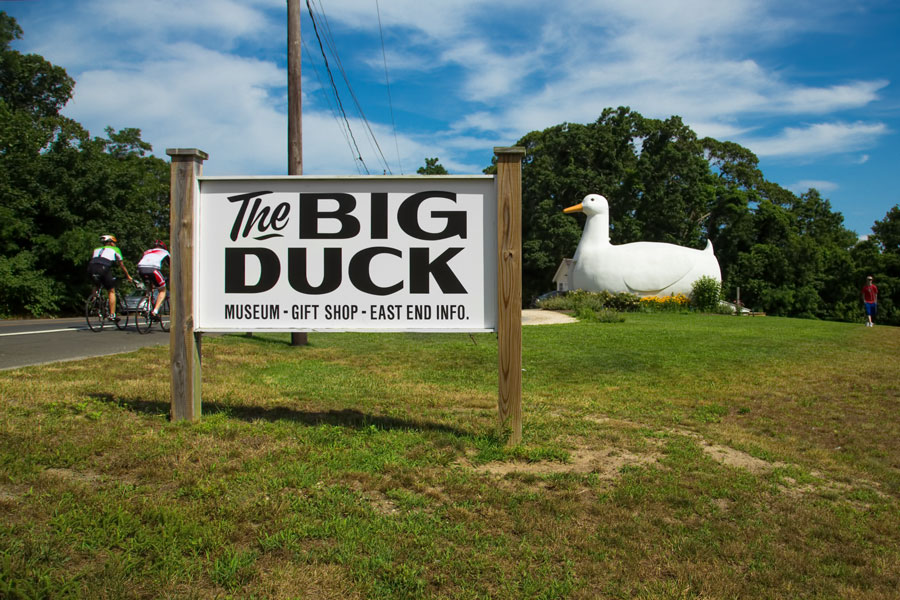
Long Island became famous for duck farming because it was once the duck-producing capital of the United States. Beginning in the late 1800s, the island’s clean freshwater ponds, protected bays, and fertile farmland made it an ideal place to raise Pekin ducks. At its peak, millions of ducks were raised annually, making duck farming one of Long Island’s most important agricultural industries.
In Short
Duck farming flourished primarily across eastern Suffolk County, especially around Riverhead, Eastport, Flanders, and communities along the Great Peconic Bay. For nearly a century, Long Island supplied restaurants and markets across the Northeast with millions of Pekin ducks before the industry gradually declined during the late 20th century.
Why Was Long Island Famous for Duck Farming?
The modern Long Island duck industry began in the 1870s when farmers discovered that the island’s abundant freshwater, mild climate, and proximity to New York City created ideal conditions for raising Pekin ducks. The nearby metropolitan market provided enormous demand for fresh poultry, allowing duck farms to expand rapidly.
By the mid-20th century, hundreds of duck farms operated across eastern Long Island, producing millions of ducks each year. The industry became so successful that the phrase “Long Island Duck” became nationally recognized and synonymous with high-quality Pekin duck served in restaurants throughout the United States.
Duck farming became an important part of Long Island’s economy, creating thousands of jobs while supporting feed suppliers, processors, transportation companies, and local businesses. For decades, duck farms were a familiar sight throughout eastern Suffolk County, with long duck barns stretching across the landscape.
Beginning in the 1960s and 1970s, suburban development, rising land values, environmental regulations, and changing agricultural economics caused many duck farms to close. Although the industry is far smaller today than it once was, Long Island remains home to Crescent Duck Farm in Aquebogue, one of the last commercial duck farms preserving this unique part of the island’s agricultural heritage.
Today, the legacy of duck farming remains an important chapter in Long Island’s history, remembered through museums, historic photographs, local traditions, and the continuing reputation of “Long Island Duck” as one of the region’s signature agricultural products.
Quick Facts
| Topic | Details |
|---|---|
| Industry Began | 1870s |
| Primary Location | Eastern Suffolk County, especially around Riverhead, Eastport, Flanders, and Aquebogue. |
| Main Breed | Pekin duck |
| Peak Production | Millions of ducks were raised annually during the industry’s peak. |
| Why It Thrived | Abundant freshwater, fertile farmland, proximity to New York City, and strong market demand. |
| Industry Today | Crescent Duck Farm continues the tradition as one of Long Island’s last remaining commercial duck farms. |
Duck farming helped shape the economy, landscape, and agricultural identity of Long Island for more than a century. Although only a handful of farms remain today, the industry’s influence can still be seen throughout eastern Long Island and remains an important part of the region’s rich farming heritage.
Are you ready for fall on Long Island? Check out these local seasonal guides:
🍎 Apple Picking 🍓 Strawberry Picking 🎃 Pumpkin Picking 👻 Haunted Houses 🍂 Farm Festivals