
Eastport, New York
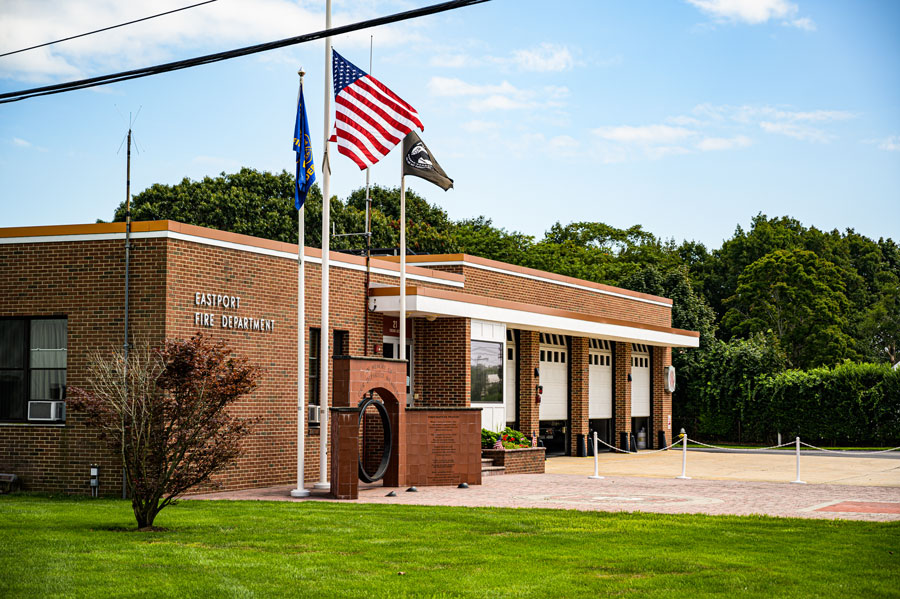
Eastport is a historic hamlet in the eastern portion of Suffolk County on Long Island, known for its lower-density character, open landscapes, equestrian properties, waterfront access, and convenient location along the approach to the Hamptons region. Located within the Town of Southampton, Eastport offers a quieter and less intensely developed atmosphere than many resort communities farther east.
The community has long maintained ties to agriculture, boating, fishing, and outdoor recreation, while also serving as an important crossroads for travelers heading deeper into the East End of Long Island. With its mix of historic homes, wooded areas, marinas, and nearby bay access, Eastport reflects a more traditional and relaxed side of Suffolk County living.
Location and Regional Importance
Eastport is located in eastern Suffolk County along Long Island’s South Shore corridor, west of Westhampton and east of Manorville. The hamlet sits near Moriches Bay and close to the East Moriches and Speonk areas, placing it within easy reach of both South Shore waterfront settings and eastern Long Island farm country.
Its position near Sunrise Highway (NY-27), Montauk Highway, and County Road 51 makes Eastport an important transition point between more suburban parts of Long Island and the more rural, resort-oriented communities farther east. Travelers heading toward the Hamptons, the North Fork, and Montauk often pass through or near the area.
History of Eastport
Eastport developed during the nineteenth century as a farming and fishing community tied to Long Island’s South Shore maritime economy. Early settlement was shaped by fertile land, access to bay waters, and overland routes linking communities across eastern Long Island.
The arrival of the Long Island Rail Road increased regional connectivity and supported gradual residential and commercial growth. Although the historic Eastport station is no longer in service, rail transportation remains part of the area’s broader story, and nearby stations continue to connect the community with the rest of Long Island.
Despite decades of development across Suffolk County, Eastport has retained much of its small-town and semi-rural atmosphere. The community’s ties to farming, horse properties, and waterfront recreation still influence its identity today.
Waterfront and Outdoor Recreation
Eastport’s proximity to Moriches Bay and surrounding waterways makes boating, fishing, kayaking, and other waterfront activities an important part of life in the area. Nearby marinas, docks, and launch points provide access to the South Shore bay system and waters connected to Fire Island.
The surrounding region also includes parks, preserved woodlands, and open-space areas that appeal to outdoor enthusiasts throughout the year. Fishing and shellfishing have historically played important roles in the local economy and culture across the Eastport and Moriches Bay area, though access rules and seasons can vary, so it is wise to check ahead before visiting.
Eastport is also known for its quieter residential setting, where larger lots, wooded properties, and open land create a more spacious environment than many suburban Long Island communities.
Gateway to the Hamptons and East End
Because of its location at an important junction of eastbound travel routes, Eastport is often viewed as part of the gateway area leading toward the Hamptons and other eastern Suffolk County destinations. County Road 51 also provides a useful connection north toward Riverhead and routes serving the North Fork. Seasonal traffic can be heavy, especially in summer and on holiday weekends, so travel times may vary considerably.
At the same time, Eastport maintains a more understated identity than many neighboring resort communities, appealing to residents and visitors seeking a quieter South Shore setting with access to both bayfront recreation and rural landscapes.
Transportation and Accessibility
Eastport is served by Sunrise Highway (NY-27), County Road 51, and Montauk Highway, offering access to western Long Island, the Hamptons, and other eastern Suffolk County destinations. Nearby Long Island Rail Road service is generally available through stations in Speonk and Westhampton; schedules and service details may change, so check current transit information before traveling.
These transportation links make Eastport an important corridor for both year-round residents and seasonal visitors moving throughout Long Island’s East End region.
Vicinity of Eastport
Key Facts and Details
| Location | Eastern Suffolk County, Long Island, New York |
|---|---|
| Town | Town of Southampton |
| Known For | Lower-density setting, bay access, and East End gateway location |
| Nearby Communities | Westhampton, Manorville, Speonk, East Moriches |
| Water Access | Moriches Bay and nearby South Shore waterways |
| Major Roads | Sunrise Highway, Montauk Highway, County Road 51 |
| Rail Access | Nearby LIRR stations in Speonk and Westhampton |
| Historic Character | Farming, fishing, maritime, and equestrian heritage |
| Popular Activities | Boating, fishing, kayaking, and outdoor recreation |
| Region | East End / South Shore, Long Island |
Eastport remains one of eastern Long Island’s quieter hamlets, offering a blend of South Shore waterfront access, rural scenery, and historic East End character. Positioned between more suburban western stretches of Long Island and the busier resort areas farther east, the community continues to reflect the coastal and agricultural traditions that have helped shape Suffolk County for generations.
Are you ready for fall on Long Island? Check out these local seasonal guides:
🍎 Apple Picking | 🍂 Fall Festivals & Farm Activities | 👻 Haunted Houses | 🎃 Pumpkin Picking