
Which beaches require permits?
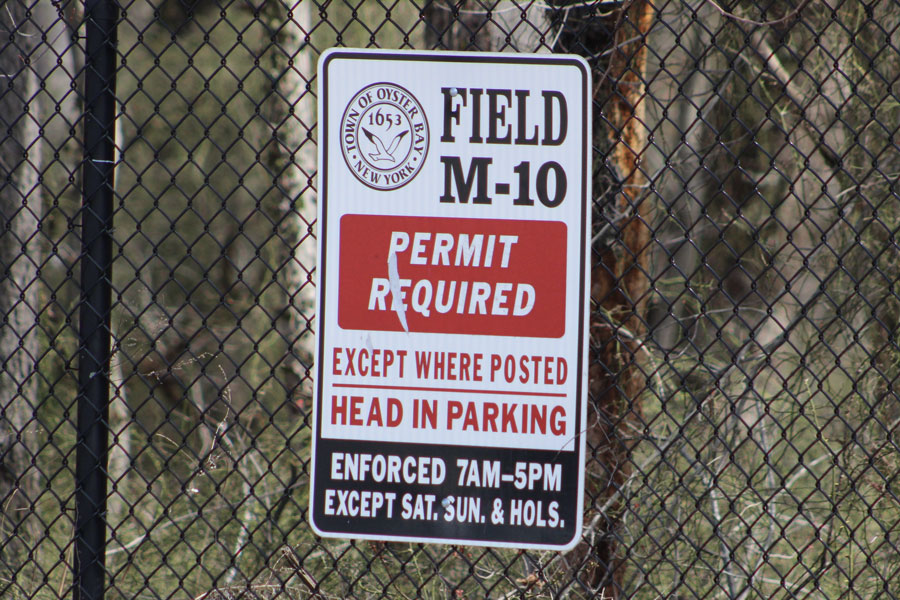
Many Long Island beaches require permits for certain activities, including seasonal parking, resident access, beach driving, camping, or after-hours fishing. Permit requirements vary depending on whether the beach is operated by New York State, Nassau County, Suffolk County, a town, village, or city.
In Short
Many Long Island beaches require permits for parking or specific recreational activities rather than for general beach admission. State parks typically charge daily parking fees instead of requiring permits, while many town beaches require resident parking permits during the summer.
Long Island Beaches That Require Permits
| Beach | Location | Permit Requirements |
|---|---|---|
| TOBAY Beach | Town of Oyster Bay, Nassau County | Resident parking permits are required during much of the summer season. |
| Cedar Beach | Town of Brookhaven, Suffolk County | Resident parking permits may be required during the summer. |
| Smith Point County Park | Shirley, Suffolk County | Permits may be required for beach driving and certain recreational activities. |
| Shinnecock East County Park | Southampton, Suffolk County | Four-wheel-drive beach permits are required for vehicle access. |
| Hither Hills State Park | Montauk, Suffolk County | Camping reservations are required for overnight stays. |
| Jones Beach State Park | Wantagh, Nassau County | Daily parking fee during the summer. No seasonal permit is generally required for day visitors. |
| Robert Moses State Park | Fire Island, Suffolk County | Daily parking fee during the summer. Separate permits may be required for certain activities. |
| Long Beach | Long Beach, Nassau County | Beach admission and parking policies vary seasonally. |
Common Types of Beach Permits
- Resident parking permits
- Seasonal beach parking permits
- Four-wheel-drive beach access permits
- Camping reservations and permits
- After-hours fishing or vehicle access permits
- Special event permits
Why Are Permits Required?
Permit programs help manage parking demand, reduce traffic congestion, protect sensitive coastal environments, and give local residents access to nearby beaches during the busy summer season. Beaches with vehicle access also use permits to protect dunes and limit the number of off-road vehicles on the sand.
Quick Facts
| Question | Answer |
|---|---|
| Do all Long Island beaches require permits? | No. Many beaches are open to the public without permits for general access. |
| Which permits are most common? | Resident parking permits and four-wheel-drive beach access permits. |
| Do state parks require permits? | Most state parks charge daily parking fees instead of requiring seasonal permits. |
| Can nonresidents visit permit beaches? | Many can, although parking fees, restrictions, or seasonal limits may apply. |
| Should visitors check before traveling? | Yes. Permit rules and fees vary by beach and may change from year to year. |
| What activities commonly require permits? | Parking, beach driving, camping, and certain recreational uses. |
If you’re planning a beach trip, you may also want to learn which beaches have free parking, compare the best beaches on Long Island, discover which beaches have camping, or find out which beaches have fishing.
Are you ready for fall on Long Island? Check out these local seasonal guides:
🍎 Apple Picking 🍓 Strawberry Picking 🎃 Pumpkin Picking 👻 Haunted Houses 🍂 Farm Festivals