
What is the ocean temperature?
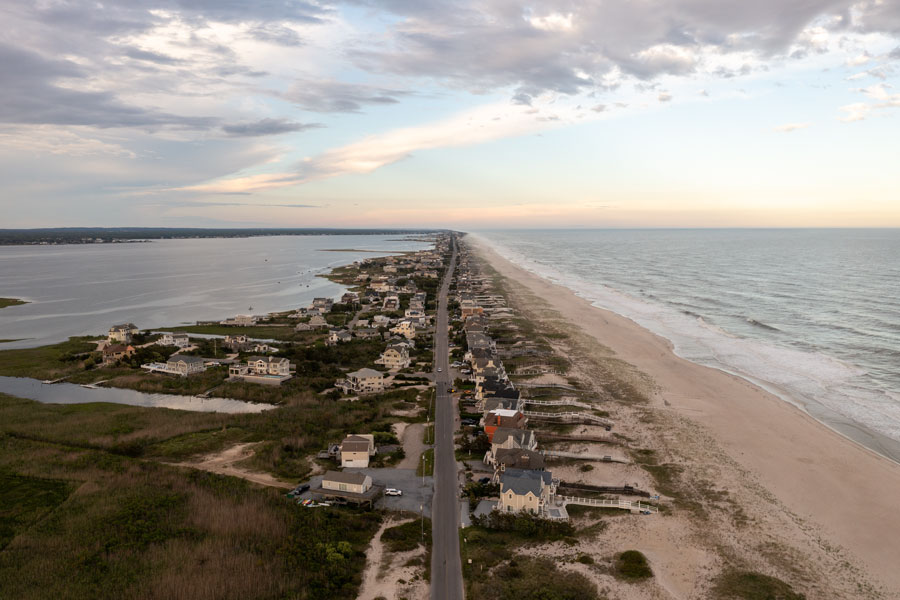
Atlantic Ocean water temperatures around Long Island range from about 38°F (3°C) during the coldest part of winter to the low- to mid-70s°F (21–24°C) during late summer. The warmest water is usually found in August, while February and early March are typically the coldest months. Daily temperatures vary depending on weather, wind, tides, and ocean currents.
In Short
Long Island’s Atlantic Ocean waters gradually warm throughout the spring, peak during late summer, and cool again through the fall. While nearby waters such as the Long Island Sound and the Great South Bay often become warmer than the open ocean during summer, the temperatures on this page refer specifically to the Atlantic coastline.
What Is the Ocean Temperature Around Long Island?
The Atlantic Ocean surrounding Long Island experiences four distinct seasonal temperature patterns. During the winter, water temperatures typically remain in the upper 30s to low 40s, making the ocean too cold for most swimmers without specialized cold-water gear.
As spring arrives, the ocean slowly begins to warm, although the Atlantic retains winter’s cold much longer than the air. By early summer, temperatures become more comfortable for swimming, and by July and August the ocean reaches its warmest point of the year. Even during the hottest months, Atlantic waters remain noticeably cooler than many inland lakes and pools.
After Labor Day, the ocean usually stays relatively warm for several weeks before gradually cooling through October and November. Early fall is often one of the most comfortable times to visit Long Island’s beaches because warm water can coincide with pleasant air temperatures and smaller crowds.
Water temperatures are not identical everywhere. Beaches can differ by several degrees depending on wind direction, offshore currents, water depth, recent weather, and their proximity to inlets. Protected waters such as the Long Island Sound and Great South Bay often warm more quickly during late spring and summer because they are shallower and less exposed to the open Atlantic.
Visitors planning to swim, surf, fish, paddleboard, or boat should check current water temperatures and marine conditions before heading to the beach, as daily weather patterns and ocean conditions can temporarily raise or lower water temperatures.
Typical Atlantic Ocean Water Temperatures
| Month | Typical Water Temperature |
|---|---|
| January | 39–42°F (4–6°C) |
| February | 38–41°F (3–5°C) |
| March | 39–43°F (4–6°C) |
| April | 43–48°F (6–9°C) |
| May | 50–58°F (10–14°C) |
| June | 60–67°F (16–19°C) |
| July | 68–73°F (20–23°C) |
| August | 71–75°F (22–24°C) |
| September | 69–73°F (21–23°C) |
| October | 61–67°F (16–19°C) |
| November | 52–58°F (11–14°C) |
| December | 44–49°F (7–9°C) |
Although Atlantic Ocean temperatures around Long Island remain cool for much of the year, they gradually warm through the spring before reaching their annual peak in late summer. Whether you’re planning a day at one of Long Island’s beaches, a surfing session, a fishing trip, or a boating excursion, understanding the seasonal changes in ocean temperature can help you choose the best time to enjoy the coastline safely and comfortably.
Are you ready for fall on Long Island? Check out these local seasonal guides:
🍎 Apple Picking 🍓 Strawberry Picking 🎃 Pumpkin Picking 👻 Haunted Houses 🍂 Farm Festivals