
What is the difference between Nassau County and Suffolk County?
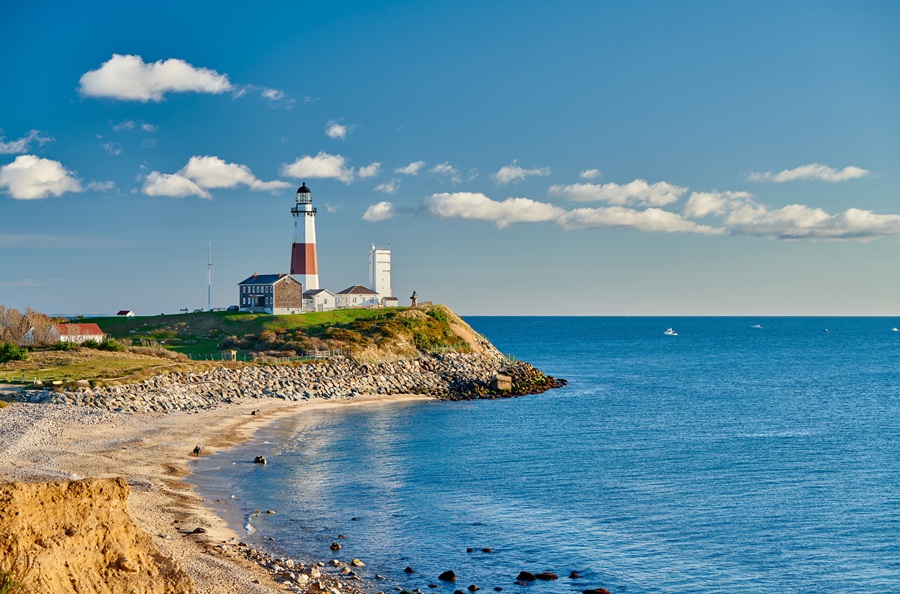
Nassau County and Suffolk County are the two suburban counties that make up the majority of Long Island. Nassau County occupies the western portion of suburban Long Island and is generally more densely populated and developed, while Suffolk County covers the eastern two-thirds of the island and is known for its larger size, more rural landscapes, beaches, farms, wineries, and outdoor recreation.
In Short
Nassau County is smaller, more densely populated, and closer to New York City. Suffolk County is significantly larger and offers more open space, farmland, beaches, parks, and rural communities. Together, they form the suburban portion of Long Island.
What Is the Difference Between Nassau County and Suffolk County?
Nassau County borders Queens and serves as the gateway between New York City and suburban Long Island. It is the smaller of the two counties by land area but has a higher population density, with established suburban neighborhoods, business districts, shopping centers, parks, and transportation hubs.
Suffolk County begins immediately east of Nassau County and stretches to the eastern tip of Long Island. It is the largest county on the island and includes a wide variety of landscapes, from suburban communities in western Suffolk to forests, farmland, vineyards, beaches, and coastal villages farther east.
Many of Long Island’s best-known destinations are located in Suffolk County, including the North Fork, South Fork, Hamptons, Montauk, Fire Island National Seashore, and the Long Island Pine Barrens. Nassau County, meanwhile, is known for attractions such as Jones Beach State Park, its vibrant downtown communities, and its convenient access to New York City.
Although each county has its own government, parks, schools, and public services, they share many characteristics, including access to the Atlantic Ocean, Long Island Sound, excellent beaches, waterfront communities, and an extensive transportation network. Together, Nassau and Suffolk counties form the suburban heart of Long Island.
Quick Facts
| Category | Nassau County | Suffolk County |
|---|---|---|
| Location | Western suburban Long Island | Eastern suburban Long Island |
| Size | Smaller by land area | Largest county on Long Island |
| Population Density | Higher | Lower overall |
| Character | Primarily suburban | Suburban, rural, agricultural, and coastal |
| Known For | Proximity to New York City, established suburbs, and Jones Beach State Park | Hamptons, Montauk, North Fork, Pine Barrens, and beaches |
| County Seat | Mineola | Riverhead |
Whether you prefer the convenience of established suburban communities or the wide-open spaces and coastal scenery found farther east, both Nassau County and Suffolk County contribute to the unique character of Long Island. Together, they offer a remarkable blend of neighborhoods, parks, beaches, historic communities, and natural attractions that make Long Island one of the most diverse regions in New York State.
Are you ready for fall on Long Island? Check out these local seasonal guides:
🍎 Apple Picking 🍓 Strawberry Picking 🎃 Pumpkin Picking 👻 Haunted Houses 🍂 Farm Festivals