
Gardiners Island
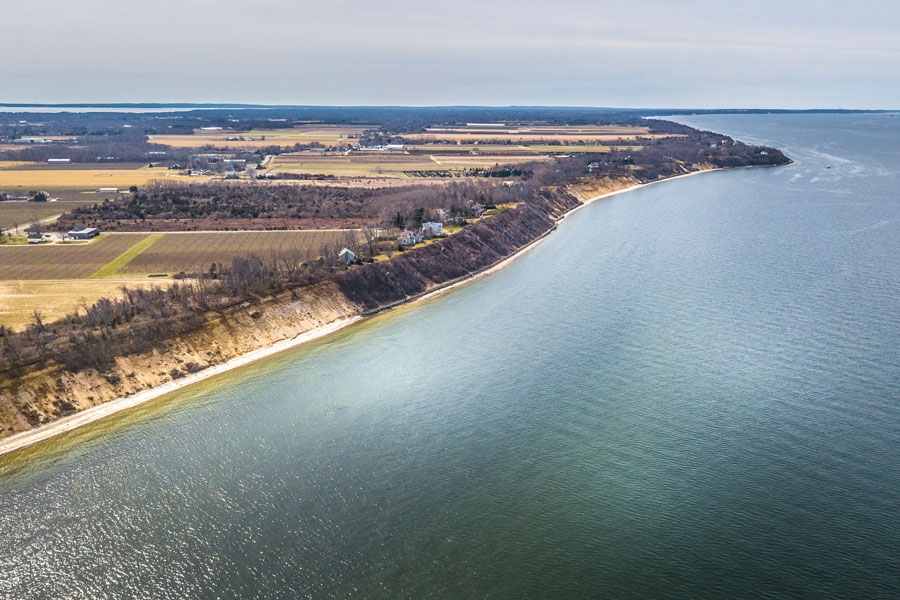
Set in Gardiners Bay between the North Fork and South Fork of eastern Long Island, Gardiners Island is one of the region’s most storied private islands. Encompassing about 3,300 acres and associated with the Gardiner family since 1639, it is known for its colonial history, remarkably undeveloped landscape, and private family cemetery. For most visitors, it remains a place experienced from afar through surrounding waters, distant shoreline views, and centuries of local lore.
A Colonial Acquisition and the Rise of a Long Island Legacy
Gardiners Island was acquired in 1639 by Lion Gardiner, an English military engineer who had worked in Europe and New England before settling on eastern Long Island. Early title to the island grew out of colonial-era agreements and confirmations that were later recognized under English rule. As a result, Gardiners Island became one of the earliest enduring English-associated estates in the region that would become New York, predating the formal development of East Hampton and Southampton as English towns.
Lion Gardiner named the island after himself and established a largely self-directed estate that endured through the colonial era and beyond. For generations, the property functioned with unusual independence, reflecting a manorial style of landholding that was rare even in its own time. The result is an extraordinarily long family association with a single piece of Long Island land.
A Landscape Largely Shielded from Development
Gardiners Island spans approximately 3,300 acres and includes mature woodlands, open meadows, freshwater ponds, tidal wetlands, and extensive shoreline. Because it has remained private and lightly developed, it is widely regarded as one of the East Coast’s most ecologically important private islands. Ospreys, shorebirds, wading birds, and other coastal wildlife have long been associated with its varied habitats.
Despite its proximity to the Hamptons and the North Fork’s wine country, Gardiners Island is not open for general public visitation. There is no public ferry, no bridge, and no regular tour access. Entry is by permission only, which has helped preserve both the island’s historic character and its natural environment.
Visitor Access and What to Know Before You Go
Gardiners Island is private property, and there is no public visitor center, public landing, or routine sightseeing program on the island itself. Most people who see it do so from surrounding public waters or from select shoreline viewpoints elsewhere on the East End.
If you are boating, paddling, or joining a local excursion elsewhere in the area, respect private-property boundaries and do not attempt to land without permission. Marine access, launch options, weather, and local regulations can change, so check ahead before heading out on the water.
Pirate Lore and Colonial Legend
Gardiners Island holds a notable place in pirate folklore through its connection to Captain William Kidd. In 1699, Kidd is widely said to have landed on the island and left goods there with the Gardiner family while colonial authorities closed in. Over time, the story evolved into one of Long Island’s most famous treasure legends.
The tale is not pure fantasy. Colonial records indicate that goods associated with Kidd were recovered from Gardiners Island and later surrendered to authorities connected to Lord Bellomont. That documentary trail has helped keep the episode alive in both historical writing and local storytelling, even as the more dramatic treasure details remain part fact, part legend.
The Gardiner Family Cemetery and Lineage
Within the island is a private family cemetery long associated with generations of the Gardiner lineage. It is one of the island’s most historically resonant places, reflecting the family’s deep connection to the land across centuries. Family figures closely associated with the island’s story include:
- Lion Gardiner (1599–1663), founder of the island estate
- David Gardiner, father of Julia Gardiner Tyler, who became First Lady of the United States as the wife of President John Tyler
- Multiple colonial and later descendants connected to regional government, military service, landholding, and East End history
The cemetery is closed to the public and maintained privately. It is often described as one of the nation’s oldest continuously used private family burial grounds tied to a single lineage. Weathered early stones and later monuments together underscore how long the island has remained connected to one family story.
Modern Stewardship and Preservation Questions
Like many historic family properties, Gardiners Island has periodically been the subject of inheritance questions, preservation debates, and public curiosity about its future. Those discussions generally center on how best to balance private ownership, historic preservation, ecological protection, and long-term family stewardship.
Public reporting over the years has linked the island to Gardiner family descendants and related ownership interests, with conservation remaining a recurring theme. Historic structures such as the manor house, windmill, and supporting outbuildings continue to be associated with the estate, though details of ownership, management, and restoration may evolve over time because the island remains private.
A Living Symbol of Long Island History
Gardiners Island represents a rare link to the colonial past, largely untouched by the development, tourism, and public access that have reshaped so much of Long Island. Most people experience it only from afar, by boat or from surrounding shorelines, yet its legacy runs deep in the history of the East End, New York State, and early America.
Whether viewed as a symbol of old privilege, an example of long-term land stewardship, or simply one of Long Island’s most fascinating historic places, Gardiners Island remains singular. Its mystery is part of its appeal, but its real significance lies in the unusual continuity of landscape, family history, and regional memory.
Gardiners Island
Top Questions and Answers About Gardiners Island
1. What is Gardiners Island and where is it located?
Gardiners Island is a roughly 3,300-acre privately owned island in Gardiners Bay off the eastern end of Long Island, New York. It lies between the North Fork and South Fork, east of Shelter Island and near East Hampton.
2. Who owns Gardiners Island today?
The island remains privately held through Gardiner family descendants and related ownership interests. Public reporting has at times identified Alexandra Goelet among the family figures associated with stewardship.
3. Is Gardiners Island open to the public?
No. Gardiners Island is private property and is not open for general public visits. There are no regular tours, no public ferry service, and no public access points on the island itself.
4. Why is Gardiners Island historically significant?
Gardiners Island is one of the oldest continuously family-associated private estates in the United States. Settled in 1639, it played a role in early colonial history and remains closely tied to the development of Long Island’s East End.
5. Who is buried in the island’s family cemetery?
The private cemetery is associated with generations of the Gardiner family and the island’s long family history. Published accounts connect it to early descendants and later family members, but the burial ground is not open for public interpretation.
6. What is the story about Captain Kidd’s treasure?
Captain Kidd is said to have left treasure or valuable goods on Gardiners Island in 1699. Historical records do support the recovery of goods tied to Kidd from the island, which is why the story remains one of Long Island’s best-known pirate legends.
7. Are there any historic buildings on Gardiners Island?
Yes. The estate is associated with historic structures including a manor house, a windmill, and other older buildings and outbuildings. Because the island is private, these sites are not open to visitors.
8. What kind of wildlife and environment does the island have?
Gardiners Island includes woodlands, ponds, wetlands, meadows, and shoreline habitat that support a wide range of coastal wildlife. It is especially noted for birdlife and for remaining far less developed than most of the surrounding region.
9. Can you visit Gardiners Island by boat or kayak?
You may travel through surrounding public waters subject to navigation rules, weather, and marine conditions, but landing on the island or entering private property without permission is not allowed. Check current local regulations and marine guidance before heading out.
10. Why has the island remained so undeveloped?
A combination of private ownership, long family stewardship, and conservation-minded management has helped keep Gardiners Island largely undeveloped. Its isolation and limited access have also played a major role in preserving both its historic setting and its natural habitats.
Are you ready for fall on Long Island? Check out these local seasonal guides:
🍎 Apple Picking | 🍂 Fall Festivals & Farm Activities | 👻 Haunted Houses | 🎃 Pumpkin Picking