
The Otis Pike Preserve
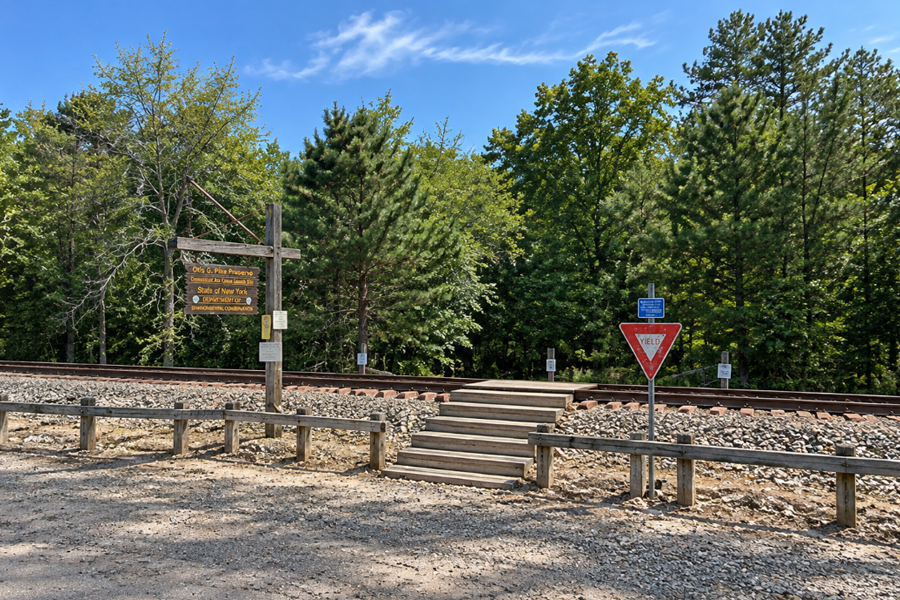
Otis Pike Preserve is one of the largest publicly accessible natural areas in central Suffolk County, protecting thousands of acres of pine barrens, oak woodland, wetlands, ponds, grasslands, and portions of the upper Peconic River watershed. Spread across sections of Riverhead and Manorville, the preserve forms an important part of the protected Long Island Pine Barrens and provides opportunities for hiking, hunting, paddling, fishing, birdwatching, wildlife observation, and nature photography.
Unlike a conventional park with a central entrance, visitor center, and developed recreation facilities, Otis Pike Preserve is made up of several separate parcels with multiple parking and access points. Visitors can encounter everything from sandy pine barrens trails and quiet forest roads to freshwater ponds, wetlands, river habitat, and remote sections of woods that feel surprisingly wild for Long Island.
A Major Long Island Pine Barrens Preserve
The New York State Department of Environmental Conservation manages approximately 3,801 acres as Otis Pike Preserve. The property is divided among several distinct tracts known as Canoe Lake, East, West, Toppings Path, Nugent Drive, Fresh Pond, and South River Road. Together they protect a broad cross-section of the natural landscapes found within Long Island’s Central Pine Barrens.
According to the DEC, the individual parcels include approximately 37 acres at Canoe Lake, 818 acres in the East parcel, 855 acres in the West parcel, 1,164 acres at Toppings Path, 266 acres along Nugent Drive, 492 acres at Fresh Pond, and 169 acres along South River Road. Because these lands are distributed across a relatively large geographic area, visitors should determine which section they intend to explore before arriving.
The preserve is also part of a larger cooperative recreation and hunting area of approximately 5,400 acres that combines Otis Pike Preserve with Eastport Pine Barrens State Forest and neighboring Suffolk County lands. This broader protected landscape creates a substantial wildlife corridor across portions of the towns of Brookhaven and Riverhead.
Peconic River Headwaters
One of the preserve’s most important natural features is its relationship with the Peconic River. The river begins in the pine barrens of central Suffolk County and travels east toward the Riverhead area before eventually reaching the Peconic estuary and bays of the East End.
Otis Pike Preserve protects portions of the Peconic River headwaters along with associated wetlands, small ponds, shrub swamps, and groundwater recharge areas. These habitats are ecologically important because water moving through the sandy soils of the Pine Barrens helps replenish Long Island’s underground aquifer system while supporting freshwater plants and wildlife at the surface.
Hiking and Exploring
Otis Pike Preserve offers a more rugged outdoor experience than many developed Long Island parks. Trails, old woods roads, unmarked routes, and multiple-use paths extend through portions of the property, although trail conditions and permitted uses vary from parcel to parcel. Some areas are relatively easy to explore, while others can feel remote and require careful navigation.
The landscape includes pitch pine and oak forests, sandy uplands, wetlands, old fields, freshwater ponds, and river corridors. These changing environments make the preserve especially interesting for birdwatchers, photographers, naturalists, and visitors interested in seeing the ecological diversity of eastern Long Island away from its beaches and developed communities.
Because Otis Pike is an active hunting area, hikers and other visitors should pay particular attention to seasonal hunting activity. Wearing highly visible clothing during hunting seasons and reviewing current DEC regulations before entering the preserve are sensible precautions.
Hunting at Otis Pike Preserve
Otis Pike is one of Long Island’s most significant public hunting areas. The approximately 5,400-acre cooperative hunting area contains mixed oak woodland, pine barrens, open habitat, wetlands, the Peconic River, and numerous small ponds. Depending on season and applicable regulations, the area provides opportunities associated with big game, small game, and waterfowl hunting.
The DEC also identifies Otis Pike Preserve as one of the Long Island properties where pheasants are stocked during portions of November and December. Hunting seasons, permitted methods, parking requirements, access rules, and other regulations can change, so hunters should always consult the New York State DEC’s current Long Island public hunting information before visiting.
Canoeing, Kayaking and Fishing
Water recreation is another distinctive feature of the preserve. The Otis Pike area provides access to several small ponds and portions of the upper Peconic River, with designated hand-launch locations available in parts of the preserve. These quieter waterways are best suited to canoes, kayaks, and other small craft rather than large motorboats.
DEC boating information identifies access to seven small ponds and the Peconic River headwaters through multiple parking areas associated with Otis Pike Preserve. Where motors are permitted, restrictions may apply, including electric-motor-only rules. Carry distances between parking areas and the water can also vary significantly, so paddlers should review the specific launch location before arriving.
Freshwater fishing opportunities are available within the broader Peconic River and pond system. Anglers should verify current New York fishing regulations, access requirements, seasons, and any site-specific restrictions before fishing.
Wildlife and Habitat
The preserve’s large size and variety of habitats support a wide range of Long Island wildlife. Deer, foxes, small mammals, waterfowl, songbirds, hawks, reptiles, amphibians, and numerous insects can be found within the surrounding pine barrens ecosystem. Wetlands and ponds are particularly important for amphibians and migratory birds, while open grasslands and forest edges provide additional habitat diversity.
Fire is also a natural part of the pine barrens environment. The DEC periodically conducts prescribed burns within Otis Pike and other protected Pine Barrens properties to maintain fire-dependent ecological communities, improve wildlife habitat, control invasive vegetation, and reduce accumulated vegetation that can contribute to more severe wildfires. Prescribed burns were conducted at Otis Pike again during 2026 as part of continuing habitat-management efforts.
Access and Permits
There is no single main entrance to Otis Pike Preserve. Parking and trail access are distributed among several parcels in and around Manorville, Calverton, and the Riverhead area. Access points can be found along roads including River Road, Connecticut Avenue, Toppings Path, Nugent Drive, and other roads bordering the preserve.
The New York State DEC currently requires visitors to obtain a free three-year Managed Land Access Permit to use the property. Permits are obtained through the state’s online permitting system and help the DEC manage access to state lands in Suffolk County. Visitors should obtain the permit and review the associated maps and regulations before their trip.
Official maps are particularly useful at Otis Pike because of the preserve’s fragmented layout. The DEC publishes separate maps for the East and Canoe Lake, Fresh Pond, South River Road and Nugent Drive, Toppings Path, and West sections of the property. Current maps, permit information, regulations, and alerts are available through the New York State Department of Environmental Conservation.
Visiting Otis Pike Preserve
Visitors should approach Otis Pike more like backcountry public land than a traditional community park. Facilities are limited, cell service can vary, and some trails or access roads may not be clearly marked. Bringing water, insect and tick protection, appropriate footwear, and a current map is recommended. Visitors should also remain aware of hunting seasons, temporary closures, prescribed-burn activity, and changing trail conditions.
Several access points are only a short drive from Manorville and Riverhead, making the preserve accessible from major roads while still providing a noticeably undeveloped environment. Its location within the larger Long Island Pine Barrens also makes Otis Pike a useful destination for visitors interested in understanding how much natural open space remains in central and eastern Suffolk County.
Otis Pike Preserve
Key Facts & Details
| Category | Details |
|---|---|
| Official Name | Otis Pike Preserve / Otis Pike Pine Barrens State Forest |
| Location | Towns of Riverhead and Brookhaven, Suffolk County, Long Island, New York |
| Nearby Communities | Manorville, Calverton, Riverhead, Ridge, and Eastport |
| State Preserve Area | Approximately 3,801 acres |
| Cooperative Hunting Area | Approximately 5,400 acres including neighboring state and county lands |
| Major Parcels | Canoe Lake, East, West, Toppings Path, Nugent Drive, Fresh Pond, and South River Road |
| Natural Region | Long Island Pine Barrens |
| Major Waterway | Upper Peconic River and its headwaters |
| Landscape | Pitch pine and oak forest, wetlands, ponds, grasslands, sandy uplands, and river habitat |
| Recreation | Hiking, hunting, canoeing, kayaking, fishing, birdwatching, wildlife viewing, and nature photography |
| Hunting | Public hunting is permitted subject to New York State seasons, regulations, and property-specific rules |
| Paddling | Hand-launch access is available at portions of the Peconic River and several small ponds |
| Permit | Free three-year New York State Managed Land Access Permit currently required |
| Management | New York State Department of Environmental Conservation |
| Official Information | NYS Department of Environmental Conservation |
Otis Pike Preserve protects one of the most extensive stretches of undeveloped interior landscape remaining on Long Island, combining forests, ponds, wetlands, grasslands, and the headwaters of the Peconic River within the broader Pine Barrens ecosystem. Its network of separate parcels gives hikers, hunters, paddlers, anglers, birdwatchers, and nature enthusiasts numerous ways to experience a quieter and more natural side of Suffolk County, while its protected acreage plays an equally important role in preserving wildlife habitat, groundwater resources, and the ecological character of central Long Island.
Are you ready for fall on Long Island? Check out these local seasonal guides:
🍎 Apple Picking 🍓 Strawberry Picking 🎃 Pumpkin Picking 👻 Haunted Houses 🍂 Farm Festivals