
Where can I go crabbing?
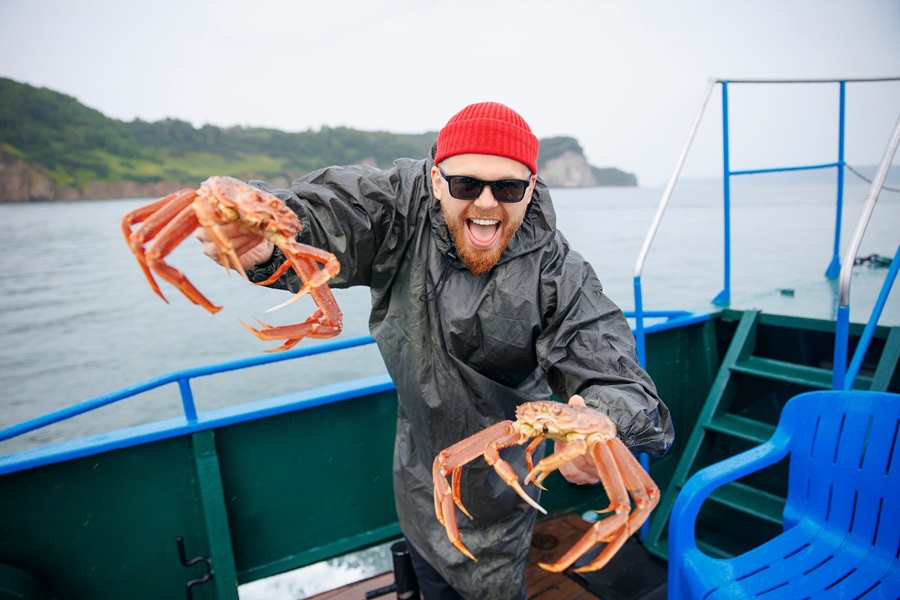
Long Island is one of the best places in New York for recreational crabbing, with access to the Great South Bay, bays, harbors, tidal creeks, inlets, and other coastal waters. Blue-claw crabbing is a relatively simple activity that can be enjoyed from public fishing piers, bayfront parks, docks, and shore-access areas throughout Nassau County and Suffolk County.
In Short
The best documented public places to start crabbing on Long Island include the fishing piers at Jones Beach State Park, Captree State Park, and Robert Moses State Park. The shores of the Great South Bay also contain many public waterfront access points, although parking, residency requirements, operating hours, and rules for using docks or bulkheads vary by municipality.
Where Can I Go Crabbing on Long Island?
Long Island’s bays and estuaries provide ideal habitat for blue crabs, also called blue-claw crabs. Recreational crabbers commonly use a baited handline and dip net from a pier, dock, bulkhead, or quiet shoreline. The Great South Bay is one of the most important areas to consider because it has extensive marshes, creeks, inlets, and publicly accessible waterfront locations. The New York State Department of Environmental Conservation conducts recreational blue-crab surveys at popular sites along the bay.
For a first crabbing trip, the most clearly documented choices are Jones Beach State Park Field 10, Captree State Park, and Robert Moses State Park Field 3. These locations have established fishing facilities or piers, but visitors should still check current park hours, vehicle fees, permits, and posted rules before leaving home.
Bayfront parks and marinas such as Bay Shore Marina may also provide useful access to the Great South Bay. The Town of Islip describes the marina’s boardwalk as a place for fishing, but local parking fees, resident privileges, dock restrictions, and permission to crab from a particular structure can change. Never assume that a private marina, ferry dock, boat slip, or residential shoreline is open to recreational crabbing.
How Do You Catch Blue Crabs?
The simplest method is a baited handline and dip net. Tie oily fish, such as menhaden or mackerel, or a raw chicken leg to a length of line and lower it near a pier, dock, or shallow bay shoreline. When a crab takes the bait, pull the line up slowly and use a dip net to scoop the crab into a bucket or cooler. This method is inexpensive and does not require a boat.
Collapsible traps and non-collapsible crab pots can also be used, but pots have additional requirements. A marked buoy must be clearly visible and attached with sinking line, and pots may not be placed within 25 feet of a designated navigation channel. Non-collapsible pots must have an escape panel, and Terrapin Excluder Devices are required in certain creeks, coves, rivers, tributaries, and near-shore harbor waters. Review the current NYSDEC crabbing rules before using a trap or pot.
New York Crabbing Rules
New York does not require a recreational crabbing license or permit. Blue crabs may be taken year-round, but size, possession, and gear rules apply. Egg-bearing crabs may not be taken or possessed, and crabbers should measure each crab before keeping it. Regulations can change, so check the current New York recreational saltwater fishing regulations before every trip.
The 50-crab limit applies to the total recreational harvest of crabs per person per day under New York’s current rules. Commercial crabbing, selling crabs, or taking more than the recreational limit requires additional permits and is outside the scope of ordinary recreational crabbing.
Crabbing Safety and Handling
Blue crabs can pinch hard, so use a dip net, gloves, or crab tongs and handle them from the rear of the shell whenever possible. Keep children away from the claws, use a secure container with cool water or ice as appropriate, and release undersized, egg-bearing, or unwanted crabs promptly. Wash any cut or pinch with clean running water and soap, especially after contact with warm coastal water or raw seafood.
Quick Facts
| Looking For… | Recommended Starting Point or Information |
|---|---|
| First-time crabbing | Jones Beach State Park, Field 10, where the official park page identifies fishing piers and crabbing until sunset |
| Large public fishing piers | Captree State Park, which has two large fishing piers for catching crabs or fish |
| Long piers near the Fire Island Inlet | Robert Moses State Park, Field 3 |
| Great South Bay access | Great South Bay public waterfront locations, with local rules checked in advance |
| Simple equipment | Baited handline, dip net, bucket or cooler, measuring gauge, and gloves |
| Hard-shell blue crab | Minimum size of 4 1/2 inches; the recreational limit is 50 crabs per person per day |
| Soft-shell or peeler crab | Minimum sizes of 3 1/2 inches for soft-shell crabs and 3 inches for peelers; egg-bearing crabs may not be taken |
| Current rules | NYSDEC Crabbing in New York and Recreational Saltwater Fishing Regulations |
Whether you are lowering a baited line from a public pier, scooping a blue crab with a dip net, or exploring a quiet Great South Bay shoreline, Long Island offers memorable crabbing opportunities for beginners and experienced outdoor enthusiasts. Start with a location that clearly allows fishing or crabbing, check local access rules and current New York regulations, and visit our Long Island Fishing Guide for additional information about the island’s saltwater recreation.
Are you ready for fall on Long Island? Check out these local seasonal guides:
🍎 Apple Picking 🍓 Strawberry Picking 🎃 Pumpkin Picking 👻 Haunted Houses 🍂 Farm Festivals