
South Shore University Hospital
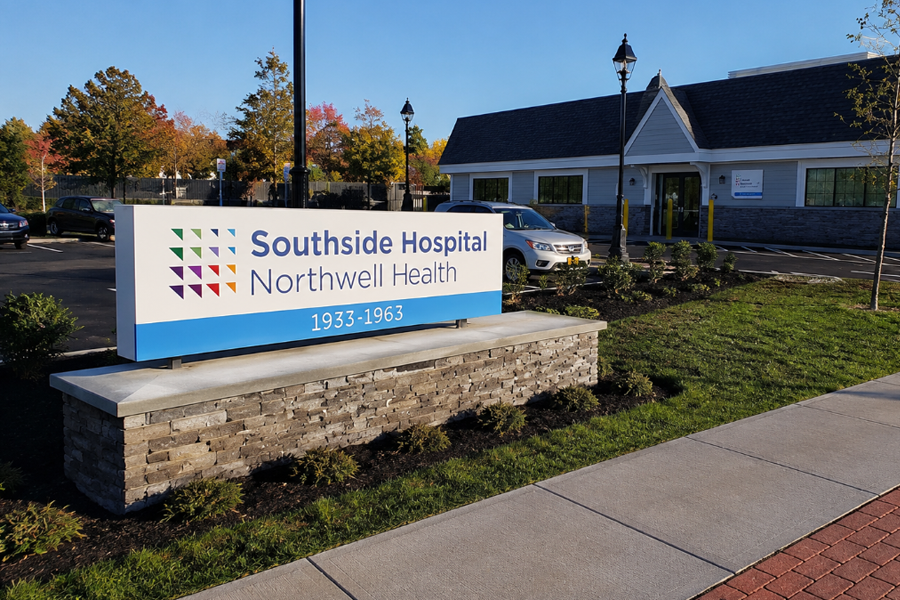
South Shore University Hospital is a major teaching hospital located in Bay Shore, Suffolk County, on Long Island. As part of the Northwell Health system, the hospital serves hundreds of thousands of residents each year and is one of the region’s leading centers for emergency medicine, trauma care, cardiovascular services, cancer treatment, neurology, orthopedics, maternity care, and advanced surgical procedures. It is widely recognized as one of Long Island’s largest and most comprehensive healthcare facilities.
Originally established as Southside Hospital, the medical center has grown into a regional referral hospital that serves patients from throughout Long Island while also functioning as an academic teaching hospital for physicians, nurses, and other healthcare professionals.
History
The hospital traces its roots to 1913, when Southside Hospital first opened to serve the growing communities along Long Island’s South Shore. Over the following century, the facility continually expanded its medical services, emergency capabilities, and specialized treatment programs to meet the needs of an increasing population.
In 2019, the hospital was renamed South Shore University Hospital to reflect its expanded role as an academic medical center within the Northwell Health network. Today, it remains one of the flagship hospitals serving Suffolk County and the surrounding region.
Medical Services
South Shore University Hospital offers a broad range of inpatient and outpatient medical services. Major specialties include emergency medicine, trauma care, cardiology, cardiovascular surgery, cancer care, neurology, neurosurgery, orthopedics, women’s health, maternity services, pediatrics, behavioral health, diagnostic imaging, rehabilitation, and minimally invasive surgery.
The hospital is also home to numerous specialty physicians, advanced diagnostic technology, intensive care units, and comprehensive treatment programs that attract patients from across Long Island.
Teaching and Research
As a university-affiliated teaching hospital, South Shore University Hospital plays an important role in medical education and clinical research. Physicians, medical residents, nursing students, and allied health professionals receive advanced training while participating in patient care under experienced specialists.
The hospital also participates in research initiatives and clinical trials designed to improve treatment options and patient outcomes across numerous medical specialties.
Location and Accessibility
Conveniently located in Bay Shore, South Shore University Hospital is easily reached from many parts of Long Island via the Southern State Parkway, Sunrise Highway, and nearby local roadways. Its central location allows patients throughout Suffolk County and neighboring communities to access advanced medical care close to home.
Community Impact
Beyond patient care, South Shore University Hospital contributes significantly to Long Island through community health programs, educational outreach, public wellness initiatives, charitable partnerships, and emergency preparedness. The hospital is one of the area’s largest employers and remains an important healthcare resource for residents throughout the South Shore.
South Shore University Hospital
Key Facts & Details
| Category | Details |
|---|---|
| Location | Bay Shore, Suffolk County |
| Hospital Type | Academic teaching hospital |
| Healthcare System | Northwell Health |
| Founded | 1913 (as Southside Hospital) |
| Renamed | 2019 as South Shore University Hospital |
| Known For | Emergency medicine, trauma care, cardiovascular services, cancer treatment, neuroscience, maternity care, advanced surgery |
| Service Area | Long Island and the surrounding New York metropolitan region |
| Nearby Communities | Bay Shore, Islip, West Islip, Brightwaters |
South Shore University Hospital has grown from a small community hospital into one of Long Island’s leading academic medical centers. Through advanced medical care, education, research, and community outreach, it continues to play a vital role in the health and well-being of residents throughout Long Island.
Are you ready for fall on Long Island? Check out these local seasonal guides:
🍎 Apple Picking | 🍂 Fall Festivals & Farm Activities | 👻 Haunted Houses | 🎃 Pumpkin Picking