
What is the history of the Hamptons?
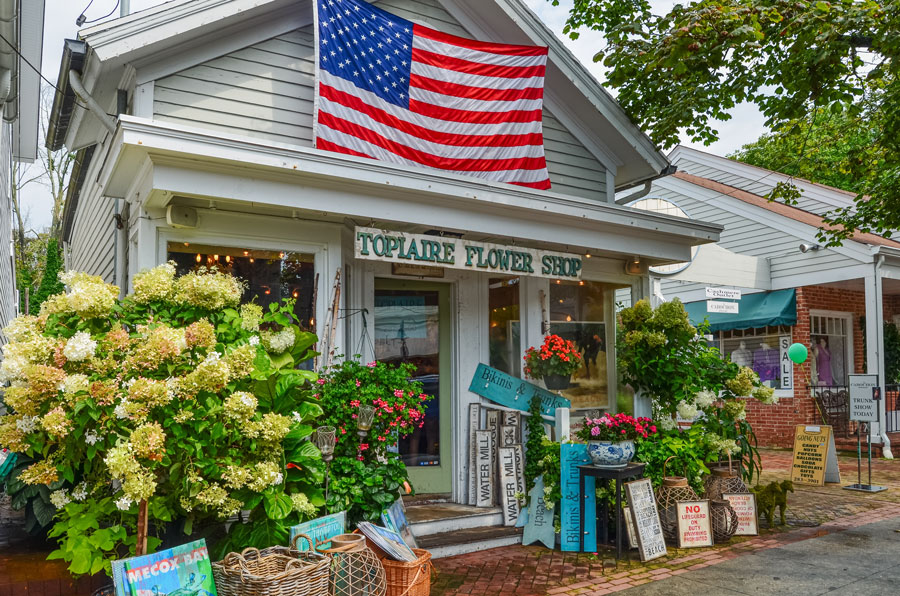
The Hamptons began as a collection of English colonial farming and fishing communities in the 17th century before evolving into one of the world’s most famous resort destinations. Today, the region is known for its beaches, historic villages, grand estates, vineyards, art galleries, and cultural institutions, but its history stretches back thousands of years.
In Short
The history of the Hamptons begins with Indigenous peoples who lived on eastern Long Island for thousands of years. English settlers established communities such as Southampton in 1640 and East Hampton in 1648. Over time, farming, fishing, and whaling gave way to tourism, transforming the Hamptons into one of America’s premier vacation destinations.
What Is the History of the Hamptons?
Long before European settlement, eastern Long Island was home to Indigenous peoples, including members of the Shinnecock and Montaukett nations, who depended on the area’s bays, forests, and Atlantic shoreline for food, transportation, and trade. Their presence shaped the region for thousands of years before English colonists arrived.
The first permanent English settlement in the Hamptons was established at Southampton in 1640. East Hampton followed in 1648, with additional villages gradually developing across eastern Suffolk County. Early settlers relied primarily on farming, fishing, livestock, and maritime commerce to support their communities.
During the 18th and 19th centuries, whaling became one of the Hamptons’ most important industries. Ships sailed from ports such as Sag Harbor, bringing prosperity to the region. As the whaling industry declined in the late 1800s, wealthy families from New York City began discovering the area’s ocean breezes, quiet beaches, and picturesque villages as ideal summer retreats.
The arrival of the Long Island Rail Road made travel to eastern Long Island significantly easier, encouraging tourism and seasonal home construction. During the 20th century, the Hamptons developed an international reputation for luxury homes, celebrity residents, fine dining, golf courses, wineries, art galleries, and some of the Northeast’s most beautiful beaches.
Despite its reputation for luxury, the Hamptons continues to preserve much of its historic character. Visitors can still explore colonial streets, historic churches, museums, working farms, nature preserves, and waterfront villages that reflect nearly four centuries of continuous history.
Quick Facts
| Historic Milestone | Details |
|---|---|
| Earliest Inhabitants | Indigenous peoples, including the Shinnecock and Montaukett nations, lived in the region for thousands of years. |
| First English Settlement | Southampton, founded in 1640. |
| Early Economy | Farming, fishing, livestock, maritime trade, and later the whaling industry. |
| Transportation | The expansion of the Long Island Rail Road helped transform the Hamptons into a major vacation destination. |
| Modern Reputation | Known worldwide for luxury homes, beaches, vineyards, art, dining, and seasonal tourism. |
| Historic Character | Many villages preserve colonial architecture, museums, historic districts, and maritime traditions. |
From Indigenous settlements and colonial villages to whaling ports and world-famous resort communities, the Hamptons has experienced centuries of remarkable change. Today, visitors can experience both its rich history and modern attractions by exploring the region’s historic downtowns, beaches, museums, parks, wineries, and scenic waterfronts. To learn more about visiting the area, see our guide to The Hamptons.
Are you ready for fall on Long Island? Check out these local seasonal guides:
🍎 Apple Picking 🍓 Strawberry Picking 🎃 Pumpkin Picking 👻 Haunted Houses 🍂 Farm Festivals