
What is traffic like?
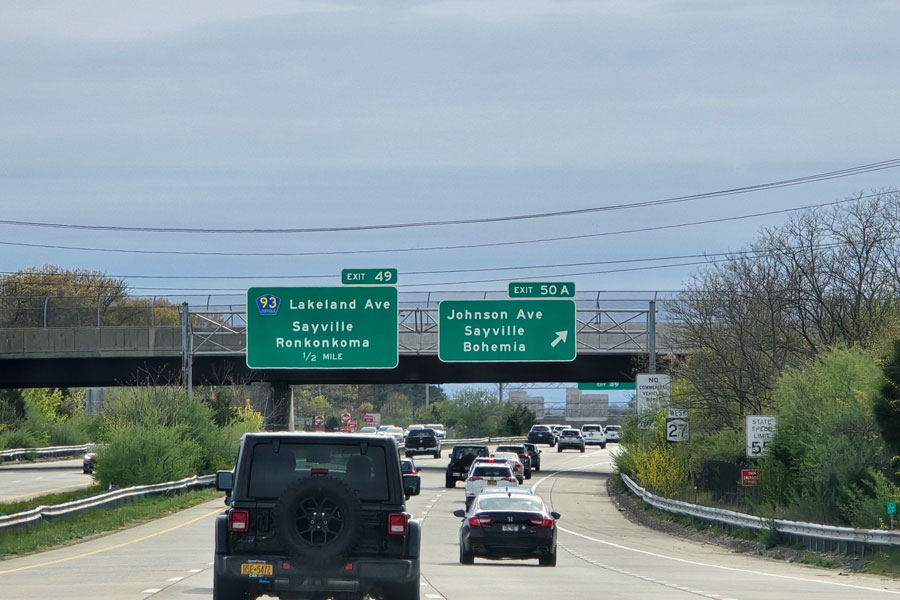
Traffic on Long Island can range from light and easy to heavily congested, depending on the time of day, season, weather, and where you’re traveling. Rush hour, summer weekends, holidays, and major events often produce significant delays on many of the island’s major roadways.
In Short
Long Island experiences some of the heaviest traffic in the Northeast, particularly along the Long Island Expressway (I-495), the Northern State Parkway, the Southern State Parkway, and the Wantagh State Parkway. Planning around peak travel times can significantly reduce delays.
What Is Traffic Like on Long Island?
Traffic conditions vary considerably across Nassau County and Suffolk County. Congestion is generally heaviest during weekday morning and evening rush hours, particularly for commuters traveling to and from New York City. Major highways, parkways, bridges, and tunnels can all experience slow-moving traffic during peak periods.
Summer weekends often bring additional congestion as visitors head toward the South Shore, the North Shore, the North Fork, the South Fork, The Hamptons, and Montauk. Holiday weekends and special events can also create heavier-than-normal traffic throughout the island.
Navigation apps such as Google Maps, Apple Maps, and Waze provide real-time traffic conditions and are highly recommended when driving on Long Island. Many residents also adjust their travel schedules to avoid the busiest commuting periods whenever possible.
If you prefer not to drive, the Long Island Rail Road, local bus systems, ferries, taxis, Uber, and Lyft provide alternatives for reaching many popular destinations.
Quick Facts
| Traffic Topic | General Information |
|---|---|
| Busiest Roads | Long Island Expressway (I-495), Northern State Parkway, Southern State Parkway, and Wantagh State Parkway. |
| Rush Hour | Typically weekday mornings and late afternoons, especially for commuters traveling to and from New York City. |
| Summer Travel | Expect heavier traffic toward beaches, The Hamptons, Montauk, and the North Fork on weekends. |
| Traffic Apps | Google Maps, Apple Maps, and Waze provide live traffic updates and alternate routes. |
| Alternative Transportation | The Long Island Rail Road, local buses, ferries, Uber, Lyft, and taxis can help avoid driving in heavy traffic. |
Although traffic can be challenging during busy travel periods, a little planning goes a long way. By traveling outside of peak hours, monitoring real-time traffic conditions, or using the Long Island Rail Road and other transportation options, visitors can enjoy everything Long Island has to offer while minimizing travel delays.
Are you ready for fall on Long Island? Check out these local seasonal guides:
🍎 Apple Picking 🍓 Strawberry Picking 🎃 Pumpkin Picking 👻 Haunted Houses 🍂 Farm Festivals