
Suffolk County Transit (SCT)
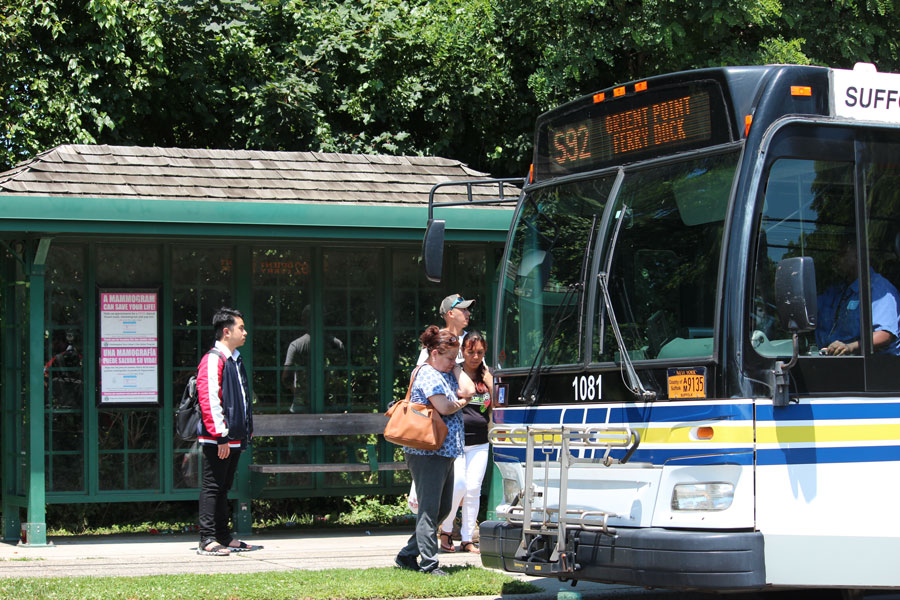
Suffolk County Transit (SCT) is the primary public bus network serving Suffolk County, Long Island. Covering Long Island’s largest county by area, SCT provides essential transportation for residents who do not drive, commuters connecting to Long Island Rail Road stations, and riders heading to schools, shopping areas, medical centers, downtowns, and waterfront communities. Compared with the NICE Bus system in Nassau County, SCT generally covers longer distances across a more spread-out suburban and rural landscape. For current routes, maps, fares, trip-planning tools, and rider notices, check the official Suffolk County Transit website before traveling.
History
- Founding: Suffolk County Transit was established in 1980 to bring county bus service under a more unified public system.
- Operation: Unlike Nassau’s NICE Bus, SCT service is managed by Suffolk County and operated through private contractors under county oversight.
- Modernization: Over time, the system has added accessibility improvements, bicycle racks on many buses, and updated rider-information tools. Features and technology can vary by route and vehicle.
Service Overview
- Coverage Area: SCT serves communities across Suffolk County, including major travel corridors tied to places such as Huntington, Smithtown, Islip, Patchogue, Riverhead, and Montauk. Service levels vary widely by corridor, day, and season.
- Connections:
- Links to Long Island Rail Road stations for regional travel and access toward New York City.
- Connections in western Suffolk to neighboring NICE Bus service in parts of the Suffolk-Nassau corridor.
- Links to downtowns, shopping districts, hospitals, colleges, ferry terminals, and other everyday destinations throughout the county.
- Fares:
- Fare levels, transfer rules, and payment methods may change over time.
- Reduced fares may be available for eligible seniors, riders with disabilities, students, and other qualifying passengers.
- Check official SCT rider information before your trip, especially if you are visiting and do not ride regularly.
- Accessibility & Special Services:
- The system includes accessible fixed-route buses, and Suffolk County also provides SCAT paratransit service for eligible riders. Details are available through the official SCT website.
- Seasonal, beach-oriented, or other limited services may operate at certain times of year. Availability varies, so check ahead before visiting parks, beaches, ferry terminals, or East End destinations by bus.
Rider Tips
- Plan ahead: Many Suffolk routes are less frequent than urban bus systems, and service levels may differ on evenings, weekends, and holidays.
- Allow extra time: Travel across the county can involve long rides, timed transfers, or limited-service corridors.
- Check payment details: If you do not ride SCT regularly, confirm the current fare and accepted payment options before boarding.
- Check seasonal details: East End, park, beach, and ferry-related service can be especially sensitive to seasonal schedules.
- Confirm stop information: Bus stop locations, route patterns, and detours may change, so visitors should verify details shortly before departure.
Key Routes
Some of SCT’s better-known fixed routes have included the following major travel links, though route numbers, termini, and schedules can change:
- S1 – A major Route 110 corridor line connecting places such as Huntington and Amityville, serving one of western Suffolk’s key employment and retail corridors.
- S27 – A central South Shore route that has connected areas including Bay Shore, Babylon, and Brentwood.
- S33 – A South Shore connection associated with Patchogue, Bay Shore, and nearby communities.
- S92 – Riverhead to Orient Point service serving North Fork communities and ferry-oriented travel.
- East End service – Routes serving the South Fork and Montauk area can help connect villages, hamlets, beaches, and seasonal destinations when scheduled service is available.
Importance for Suffolk County
- Commuters: SCT provides crucial first-mile and last-mile connections to LIRR stations and job centers.
- Students: Routes serve major educational destinations including Suffolk County Community College campuses and Stony Brook University.
- Workers: The system connects industrial areas, retail districts, hospitals, and civic centers across the county.
- Tourism: For visitors without a car, SCT can help with access to some beaches, ferry points, downtowns, and East End destinations, with availability depending on route and season.
Challenges & Rider Considerations
- Service Frequency: Some routes run only hourly or at other limited intervals, which can make spontaneous travel difficult.
- Coverage Limits: Suffolk’s low-density, car-oriented development pattern can make direct bus travel slower than driving.
- Funding and Schedule Changes: As with many suburban transit systems, service levels can shift in response to budgets, ridership, and county planning priorities.
Suffolk County Transit Offices
Suffolk County Transit offices and operations are associated with 335 Yaphank Ave., Yaphank, NY 11980. For official route maps, schedules, fares, and rider alerts, visit the Suffolk County Transit website.
Area Snapshot
| Feature | Details |
|---|---|
| Founded | 1980 |
| Operator | Service provided by contracted operators under Suffolk County oversight |
| Service Area | Suffolk County, Long Island |
| Fleet | ADA-accessible buses, with bicycle racks on many vehicles |
| Fares | Fare structure and payment options vary; check official SCT rider information |
| Special Services | SCAT paratransit and selected seasonal or limited services |
Suffolk County Transit remains a lifeline for many residents, students, workers, and visitors who depend on public transportation across Long Island’s eastern half. While frequency, coverage, and travel times can be challenging in a large suburban county, SCT still provides important bus links between towns, train stations, schools, shopping areas, and parts of the East End. If you plan to explore Suffolk County without a car, SCT is often the starting point for getting around—just be sure to review current schedules, route maps, and rider alerts before you go.
Are you ready for fall on Long Island? Check out these local seasonal guides:
🍎 Apple Picking 🍓 Strawberry Picking 🎃 Pumpkin Picking 👻 Haunted Houses 🍂 Farm Festivals