
Southampton, New York
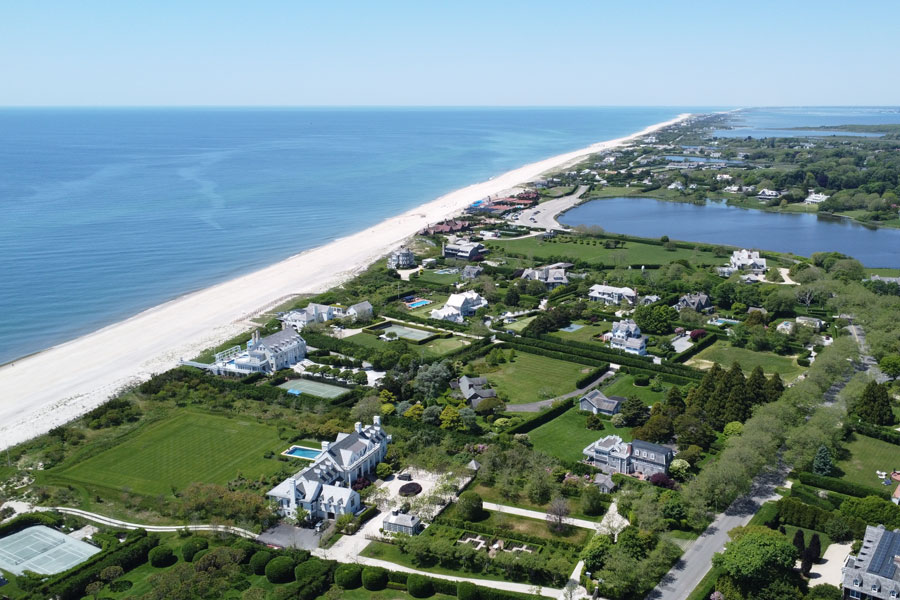
Southampton, New York, can refer to both the incorporated Village of Southampton and the much larger Town of Southampton in southeastern Suffolk County. Southampton Village is the historic downtown, shopping, cultural, and oceanfront community most visitors associate with the name. The broader town stretches across a large portion of Long Island’s South Fork and western East End, reaching from the Westhampton area east through Hampton Bays, Shinnecock Hills, Southampton, Water Mill, Bridgehampton, Sagaponack, North Haven, and part of Sag Harbor.
The Town of Southampton includes Atlantic Ocean beaches, Great Peconic Bay shoreline, Shinnecock Bay, the Shinnecock Canal, marinas, historic villages, farmland, golf courses, preserves, and some of the best-known residential and resort communities on Long Island. About 69,000 people live in the town year-round, but the population and traffic increase substantially during the summer season.
History & Heritage
- Indigenous history: Long before European settlement, the region was home to Indigenous communities associated with the Shinnecock people, whose cultural and historical presence remains central to the Southampton area.
- Colonial settlement: Southampton was founded in 1640 by English settlers, making it one of the oldest English-established communities in New York State.
- Farming and maritime life: Agriculture, fishing, whaling, shellfishing, trade, and coastal transportation shaped the early economy of the town and its village centers.
- Resort development: During the late 19th and early 20th centuries, railroad access helped Southampton develop into a major summer destination for wealthy New York families, artists, writers, and visitors seeking ocean air and coastal recreation.
- Modern identity: Southampton is now internationally associated with the Hamptons, but it remains a year-round East End community with working farms, schools, hospitals, marinas, local businesses, historic neighborhoods, and civic institutions.
Southampton Village & Downtown
- Main Street and Jobs Lane: Southampton Village’s downtown is centered around Main Street, Jobs Lane, and surrounding blocks filled with boutiques, galleries, restaurants, cafes, professional offices, and historic buildings.
- Agawam Park: Located near the village center, Agawam Park provides open green space, a pond, community-event space, and a visual transition between downtown and nearby residential neighborhoods.
- Historic village character: Tree-lined streets, older homes, churches, museums, civic buildings, and traditional commercial architecture help preserve Southampton’s established village atmosphere.
- Shopping and dining: The village is one of the South Fork’s best-known destinations for upscale shopping, fine dining, casual cafes, galleries, and seasonal events.
- Ocean proximity: Southampton Village extends south toward some of the area’s most recognizable oceanfront neighborhoods and beaches, including Coopers Beach.
- Visitor appeal: The village is especially popular for walking, shopping, dining, art, historic sightseeing, beach trips, and short Hamptons getaways.
Population & Communities
- Town population: The Town of Southampton has roughly 69,000 year-round residents, with a substantial seasonal increase during late spring, summer, and early fall.
- Southampton Village: The incorporated village is a much smaller community centered around the historic downtown, civic district, Lake Agawam, residential neighborhoods, and nearby Atlantic Ocean beaches.
- Incorporated villages: The town includes Southampton Village, Quogue, Westhampton Beach, Sagaponack, North Haven, Westhampton Dunes, and part of Sag Harbor.
- Western communities: The western portion of the town includes Westhampton, Westhampton Beach, Westhampton Dunes, Quogue, East Quogue, Quiogue, Remsenburg, Speonk, and Eastport.
- Central communities: The middle of the town includes Hampton Bays, Shinnecock Hills, Southampton Village, and surrounding residential, waterfront, and golf-oriented areas.
- Eastern communities: Farther east are Water Mill, Bridgehampton, Sagaponack, North Haven, and part of Sag Harbor.
- Northern and bayfront areas: Communities such as Flanders and areas near Great Peconic Bay have a different character from the oceanfront resort villages, with more year-round neighborhoods, bay access, wetlands, and regional road connections.
Transportation & Seasonal Travel
- Major roads: NY 27 is the primary east-west highway serving much of the town. It includes portions of Sunrise Highway and the Montauk Highway corridor.
- Long Island Rail Road: The Long Island Rail Road‘s Montauk Branch serves communities including Westhampton, Speonk, Hampton Bays, Southampton, and Bridgehampton.
- New York City connections: Rail service connects the South Fork with western terminals and transfer points, although schedules, express patterns, and travel times vary by season and day.
- Hampton Jitney: Hampton Jitney provides coach service between New York City and many East End communities, including stops throughout the Southampton area.
- Driving conditions: Summer weekends, holiday periods, beach traffic, local events, and single-lane road sections can create major congestion, especially along NY 27 and approaches to village centers.
- Local travel: Cycling, taxis, rideshare services, and local buses are available in some areas, but coverage and reliability vary considerably by location and season.
- Parking: Downtown parking, beach permits, resident restrictions, and seasonal parking rules vary by village, town facility, and beach district. Visitors should confirm requirements before traveling.
Beaches, Parks & Outdoor Recreation
- Coopers Beach: Located in Southampton Village, Coopers Beach is one of the best-known Atlantic Ocean beaches on Long Island, with broad sand, ocean views, seasonal facilities, and village-regulated parking.
- Cupsogue Beach County Park: Located in the Westhampton area, this barrier-beach park provides ocean and bay access, fishing, seasonal swimming, nature viewing, and opportunities to observe seals during colder months.
- Hampton Bays beaches: Hampton Bays offers access to Atlantic beaches, bay beaches, marinas, fishing areas, and coastal recreation near Shinnecock Bay and surrounding waterways.
- Bridgehampton and Sagaponack shoreline: Oceanfront areas near Bridgehampton and Sagaponack are known for wide beaches, dunes, farmland nearby, and high-value residential neighborhoods.
- Bay beaches: Great Peconic Bay, Shinnecock Bay, Mecox Bay, and other waterways provide calmer shoreline settings, boating access, fishing, paddling, birdwatching, and wetland habitat.
- Outdoor activities: Popular activities include fishing, kayaking, paddleboarding, boating, cycling, beach walking, surfing, birdwatching, golfing, and visiting preserves.
- Beach rules: Parking permits, lifeguard schedules, resident restrictions, seasonal access, and daily fees vary widely. Visitors should review current beach rules before arriving.
Bays, Canals & Coastal Life
- Shinnecock Bay: Shinnecock Bay is one of the town’s defining waterways, supporting boating, fishing, shellfishing, marinas, waterfront homes, and protected coastal habitat.
- Shinnecock Canal: The canal connects Shinnecock Bay with the Peconic Bay system and separates the South Fork from the western part of Long Island’s East End.
- Great Peconic Bay: Northern parts of the town reach Great Peconic Bay, providing bayfront scenery, boating, fishing, marinas, and quieter shoreline environments.
- Atlantic Ocean: The oceanfront defines much of Southampton’s international identity and supports beaches, surfing, fishing, tourism, waterfront property, and seasonal recreation.
- Marinas and boating: Marinas, yacht clubs, boatyards, charter services, and launch facilities are found in Hampton Bays, Shinnecock, Westhampton, Sag Harbor, North Haven, and other waterfront communities.
- Coastal environment: Barrier beaches, dunes, tidal wetlands, bays, ponds, and marshlands provide wildlife habitat and help protect inland communities from storms and flooding.
- Coastal resiliency: Erosion, flooding, hurricanes, sea-level rise, drainage, and dune protection remain major planning concerns throughout the town.
Arts, Culture & Historic Places
- Southampton History Museum: Located at Rogers Mansion, the museum preserves local history through historic buildings, collections, exhibits, and educational programming.
- Parrish Art Museum: Located in Water Mill, the museum presents American art with a strong connection to artists and creative communities of the East End.
- Stony Brook Southampton: The Southampton campus supports education, arts, writing, marine science, research, and cultural programming.
- Historic villages: Southampton, Quogue, Westhampton Beach, Sag Harbor, Bridgehampton, and Water Mill contain historic streets, churches, homes, civic buildings, museums, and preserved architecture.
- Shinnecock heritage: The Shinnecock Nation’s continuing presence, history, cultural traditions, and relationship to the land are fundamental to understanding the Southampton area.
- Seasonal arts: Galleries, concerts, lectures, film events, theater, literary programs, festivals, and charitable events contribute to the region’s active cultural calendar.
Golf, Recreation & Sports
- Shinnecock Hills Golf Club: Located in Shinnecock Hills, this historic private golf club is among the most famous courses in the United States and has hosted major championships.
- Other golf facilities: The town and surrounding South Fork contain additional private and public golf courses, practice facilities, and country clubs.
- Water sports: Sailing, fishing, surfing, kayaking, paddleboarding, and recreational boating are central to life throughout the town’s oceanfront and bayfront communities.
- Equestrian activity: Horse farms, riding facilities, and equestrian events are especially associated with the Bridgehampton area and the agricultural landscape of the South Fork.
- Cycling and walking: Flat terrain and scenic roads make the region popular with cyclists, although traffic, narrow shoulders, and seasonal congestion require caution.
Economy & Employment
- Tourism and hospitality: Hotels, inns, restaurants, bars, event venues, beach services, museums, and seasonal businesses form a major part of the local economy.
- Real estate and construction: Residential sales, property management, architecture, landscaping, construction, home services, and estate maintenance are important economic sectors.
- Marine industries: Marinas, boatyards, charter businesses, fishing operations, marine repair, docks, and waterfront services support communities throughout the town.
- Agriculture: Farms, nurseries, vineyards, roadside markets, and local food production continue to shape the landscape and economy, particularly around Bridgehampton, Water Mill, Sagaponack, and western sections of the town.
- Health care: Stony Brook Southampton Hospital, medical offices, urgent-care facilities, rehabilitation providers, and other health services support both year-round and seasonal populations.
- Retail and professional services: Village centers and commercial corridors support boutiques, galleries, banks, law firms, real estate offices, restaurants, personal services, and regional businesses.
Housing & Lifestyle
- Southampton Village: Housing includes historic homes, village residences, apartments, condominiums, estates, and properties close to downtown shops, Lake Agawam, and ocean beaches.
- Oceanfront communities: Southampton, Bridgehampton, Sagaponack, Quogue, and Westhampton Beach include some of Long Island’s most valuable oceanfront and estate properties.
- Bayfront communities: Hampton Bays, North Haven, Flanders, and areas near Shinnecock Bay and Great Peconic Bay offer marinas, waterfront homes, year-round neighborhoods, and coastal recreation.
- Year-round neighborhoods: Beyond the resort districts, much of the town consists of permanent residential communities, schools, civic organizations, service businesses, and everyday commercial centers.
- Seasonal homes: Second homes and short-term seasonal occupancy significantly affect population, traffic, employment, housing costs, and local business activity.
- Everyday appeal: Residents and visitors value access to beaches, bays, farms, restaurants, arts, shopping, golf, boating, health care, historic villages, and the natural scenery of the East End.
Southampton Village
Snapshot
| Feature | Details |
|---|---|
| Primary community | Southampton Village, including its downtown, historic neighborhoods, Lake Agawam area, and nearby ocean beaches |
| Larger municipality | Town of Southampton |
| Town population | About 69,000 year-round residents, with a major seasonal increase during summer |
| Location | South Fork and western East End of Suffolk County |
| Founded | 1640, making Southampton one of New York’s oldest English-established communities |
| Character | Historic village centers, Atlantic beaches, bayfront communities, farmland, marinas, golf courses, estates, and year-round neighborhoods |
| Transportation | Sunrise Highway, Montauk Highway, LIRR Montauk Branch, and Hampton Jitney |
| Water access | Atlantic Ocean, Shinnecock Bay, Great Peconic Bay, Shinnecock Canal, and other bays and ponds |
| Major beaches | Coopers Beach, Cupsogue Beach County Park, and ocean and bay beaches throughout the town |
| Culture | Southampton History Museum, Parrish Art Museum, Stony Brook Southampton, galleries, historic sites, and seasonal arts programming |
| Popular activities | Beach visits, boating, fishing, surfing, kayaking, shopping, dining, golf, cycling, art, and historic sightseeing. |
| Notable communities | Hampton Bays, Bridgehampton, Water Mill, Quogue, Westhampton Beach, Sagaponack, North Haven, and part of Sag Harbor |
| Seasonality | Busiest from late spring through early fall, with quieter conditions during winter and the shoulder seasons |
Southampton combines the polished atmosphere of a historic Hamptons village with the beaches, bays, farms, marinas, and varied communities of the much larger town. Visitors can shop and dine in Southampton Village, spend the day at Coopers Beach, explore art in Water Mill, visit farms and equestrian areas around Bridgehampton, or travel west toward Hampton Bays, Quogue, and Westhampton Beach. Its blend of history, culture, ocean recreation, bay access, agriculture, luxury, and year-round community life makes Southampton one of the most distinctive destinations on Long Island’s East End.
Clarifying the Town of Southampton vs. Southampton Village
Although they share the same name, the Town of Southampton and Southampton Village are different jurisdictions. The Town of Southampton is the large municipal town in Suffolk County that includes many hamlets and incorporated villages across the South Fork and western East End. These include Hampton Bays, Water Mill, Bridgehampton, Sagaponack, Quogue, Westhampton Beach, North Haven, and part of Sag Harbor. Southampton Village is the historic incorporated village centered around Main Street, Jobs Lane, Lake Agawam, nearby residential streets, and Atlantic Ocean beaches such as Coopers Beach. Keeping that distinction clear helps visitors understand whether a destination, beach rule, parking permit, government service, or local event applies to the village itself or to the much larger town.
Are you ready for fall on Long Island? Check out these local seasonal guides:
🍎 Apple Picking | 🍂 Fall Festivals & Farm Activities | 👻 Haunted Houses | 🎃 Pumpkin Picking