
Woodmere, New York
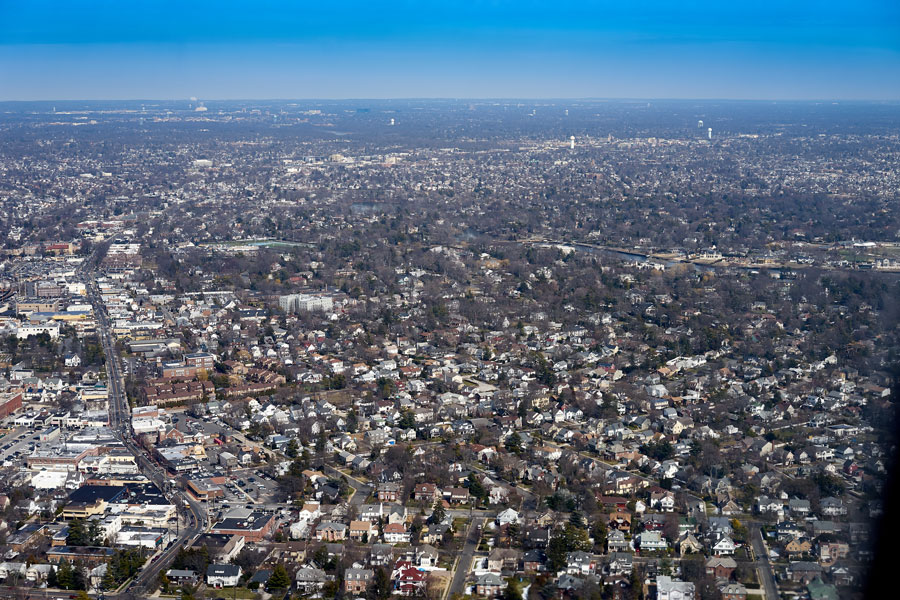
Woodmere is an unincorporated hamlet and census-designated place in the Town of Hempstead, Nassau County, on Long Island’s South Shore. It is one of the five principal communities traditionally associated with the Five Towns, together with Lawrence, Cedarhurst, Hewlett and Inwood.
Located in southwestern Nassau County near the Queens border, Woodmere is known for its established residential neighborhoods, mature trees, local businesses, community institutions and convenient rail connections to New York City. Unlike the incorporated villages of Cedarhurst and Lawrence, Woodmere does not have its own village government. It remains part of the Town of Hempstead, although its identity as a distinct community dates back to the development of the South Shore railroad during the 19th century.
Woodmere had a population of 18,669 in the 2020 United States Census, covering approximately 2.58 square miles of land. Its location between the Five Towns commercial districts, nearby waterfront communities and major transportation routes makes it an important residential center in one of Long Island’s most densely settled suburban regions.
History of Woodmere
The area that became Woodmere was historically part of the rural South Shore landscape of western Long Island, where farms, woodland, tidal waterways and relatively small settlements characterized much of the region before suburban development. Its transformation began during the 19th century, when improved railroad transportation made southwestern Nassau County increasingly accessible to residents and businesses from New York City.
The South Side Railroad reached the area in 1869, helping stimulate the development of communities that would eventually become known collectively as the Five Towns. One of the early stations was called Wood’s Station, reflecting the involvement of developer Samuel Wood, who helped establish a planned residential and resort community in the area with business partner Robert Burton.
Early railroad timetables subsequently identified the station as Woodsburgh, a name that remains associated with the neighboring incorporated Village of Woodsburgh. The present-day Woodmere station traces its origins to this early railroad development, although its buildings and facilities have changed considerably over time.
From Summer Retreat to Suburban Community
During the late 19th century, improved rail service encouraged affluent New Yorkers to establish summer residences and recreational properties along the South Shore. The broader Woodmere and Woodsburgh area attracted residents interested in the relative quiet of suburban and coastal surroundings while remaining connected to Manhattan and Brooklyn.
Large homes, landscaped properties and private recreational clubs became part of the surrounding landscape. The nearby Rockaway Hunting Club and the historic Woodmere Club reflected an era when the Five Towns attracted visitors for golf, tennis, riding and other leisure activities. Over time, the area shifted away from a seasonal resort identity toward permanent residential development.
As transportation improved and New York City’s suburban population expanded, additional homes, streets, schools and businesses were established. Development accelerated during the 20th century, particularly as automobile ownership and postwar suburban growth transformed much of Nassau County.
Woodmere’s growth followed a pattern seen in other established Long Island communities, although its proximity to the Queens border, early railroad history and relationship with the surrounding Five Towns gave it a distinct local character.
Why Woodmere Is a Hamlet Rather Than a Village
Woodmere is an unincorporated community, meaning it does not have a separately elected village mayor or board of trustees. Municipal responsibilities are primarily handled through the Town of Hempstead, Nassau County and the various school, fire and other service districts serving the area.
The distinction is particularly interesting because Woodmere considered village incorporation during the early 20th century. A proposal was reported in 1910, but Woodmere did not become an incorporated municipality. It continues to be identified as a hamlet and census-designated place, unlike neighboring Cedarhurst and Lawrence, which have their own village governments.
This arrangement is common across Long Island, where community names, postal addresses and municipal boundaries do not always correspond. The differences between towns, villages and hamlets are especially relevant in the Five Towns, where several separate municipalities and unincorporated neighborhoods exist within a relatively small geographic area.
Residential Neighborhoods and Community Character
Woodmere is primarily residential, with streets of detached single-family homes, mature landscaping, sidewalks in many neighborhoods and a mixture of older houses and more recently constructed properties. Architectural styles and lot sizes vary throughout the hamlet, reflecting different periods of development.
Although Woodmere is densely populated compared with many communities farther east on Long Island, much of its landscape retains the appearance of an established suburban neighborhood. Residential blocks are interspersed with schools, houses of worship, neighborhood businesses and community facilities.
Woodmere is also home to a substantial Orthodox Jewish community, an important part of the wider Five Towns’ cultural and religious identity. Synagogues, Jewish educational institutions, kosher food businesses and community organizations are prominent throughout the surrounding area. The concentration of these institutions contributes to the distinctive commercial and neighborhood character shared by Woodmere, Cedarhurst and Lawrence.
Shopping, Dining and Local Businesses
Woodmere does not have a single large downtown comparable to some of Long Island’s incorporated villages. Instead, its businesses are concentrated along several commercial streets, particularly Broadway, which connects Woodmere with neighboring Hewlett.
The Broadway corridor includes neighborhood shops, restaurants, professional offices, food businesses and everyday services. These establishments serve Woodmere residents as well as customers from nearby Five Towns communities.
One of the area’s best-known shopping destinations is Central Avenue, which extends through Woodmere and into Cedarhurst and Lawrence. The busiest portion of this commercial district is primarily located in Cedarhurst and Lawrence, where independent boutiques, specialty retailers, kosher bakeries, restaurants and other businesses have made Central Avenue an important regional shopping corridor.
Together, Broadway and Central Avenue provide Woodmere residents with access to a broad range of services without traveling far from home. Larger retail and entertainment destinations elsewhere in Nassau County and neighboring Queens are also accessible by road and public transportation.
North Woodmere Park and Outdoor Recreation
One of the most significant recreational destinations in the immediate area is North Woodmere Park, a 150-acre Nassau County park located in the neighboring North Woodmere community. Established as part of the county park system in 1965, it provides a large public recreation area near the waterways and wetlands of southwestern Nassau County.
The park includes athletic fields, tennis courts, basketball and handball facilities, playgrounds, picnic areas and a seasonal outdoor swimming complex. It also has a nine-hole golf course and driving range, making it one of the more varied county recreation facilities in this part of Long Island.
North Woodmere Park’s waterfront setting provides opportunities for fishing and crabbing, while its open spaces offer a recreational alternative to the surrounding residential neighborhoods. Some facilities require a Nassau County Leisure Pass, reservations or additional fees, and seasonal operating schedules should be confirmed before visiting.
Residents can also reach the Atlantic Ocean beaches at Atlantic Beach and Long Beach, along with other Long Island beaches and waterfront recreation areas. Woodmere itself is not an oceanfront resort community, but its location makes coastal destinations an important part of the surrounding recreational landscape.
Schools and Community Institutions
Much of Woodmere is served by Hewlett-Woodmere Public Schools, officially Hewlett-Woodmere Union Free School District 14. The district serves portions of Woodmere, Hewlett and neighboring communities, with public elementary, middle and high school facilities serving students throughout its geographic area.
As elsewhere on Long Island, school district boundaries do not necessarily follow the boundaries of a hamlet or postal community. Families considering a particular residence should verify its assigned public school district rather than assuming that every Woodmere address falls within the same district.
The wider Five Towns also supports numerous private schools, religious educational institutions, libraries, community organizations and youth programs. These institutions play an important role in neighborhood life and help connect residents across Woodmere, Hewlett, Cedarhurst, Lawrence and Inwood.
Transportation and Commuting
Woodmere has its own Long Island Rail Road station on the Far Rockaway Branch. Located near Woodmere Boulevard and Cedar Lane, the station provides commuter rail service connecting the community with western Long Island and New York City. Its origins date to the South Side Railroad’s expansion in 1869, making rail transportation an important part of Woodmere’s history as well as its modern suburban character.
Broadway, Peninsula Boulevard, Rockaway Turnpike and surrounding local roads provide connections through the Five Towns and toward Queens. The community is also relatively close to the Belt Parkway and other regional roadways, although traffic congestion can be significant during peak commuting periods.
John F. Kennedy International Airport is located northwest of Woodmere in Queens, making the airport a nearby regional transportation hub. Its proximity is particularly useful for residents who travel frequently, although actual driving times depend on traffic and the airport terminal being used.
Local bus service also connects portions of the Five Towns with neighboring communities. Residents traveling to Manhattan, Brooklyn or other parts of New York City can combine rail, road and connecting transit services depending on their destination.
Woodmere and the Surrounding Five Towns
Woodmere’s location places it close to several distinct communities. Hewlett lies to the northeast and shares important transportation and commercial connections with Woodmere. Cedarhurst and Lawrence are associated with the area’s principal Central Avenue shopping district, while Inwood occupies the western portion of the traditional Five Towns region.
Other nearby communities include Valley Stream, Lynbrook and Atlantic Beach. The close spacing of communities in southwestern Nassau County means that shopping areas, schools, parks and public services frequently serve residents from several neighboring places rather than a single hamlet or village.
This interconnected geography is an important part of understanding Woodmere. Although it has a recognizable community identity, many aspects of everyday life, including shopping, education, recreation and transportation, are closely tied to the larger Five Towns region.
Woodmere, New York
Key Facts and Details
| Community | Woodmere |
| Community Type | Unincorporated hamlet and census-designated place |
| Town | Town of Hempstead |
| County | Nassau County |
| Region | Five Towns, South Shore of Long Island |
| ZIP Code | 11598 |
| 2020 Census Population | 18,669 |
| 2010 Census Population | 17,121 |
| Land Area | Approximately 2.58 square miles |
| 2020 Population Density | Approximately 7,233 residents per square mile |
| Municipal Government | Town of Hempstead; Woodmere is not an incorporated village |
| Early Development | 19th-century railroad and residential development |
| Railroad Origins | South Side Railroad, 1869 |
| Historic Station Names | Wood’s Station and Woodsburgh |
| Rail Transportation | Woodmere station, Long Island Rail Road Far Rockaway Branch |
| Primary Commercial Corridors | Broadway and nearby Central Avenue |
| Regional Shopping | Five Towns shopping districts in Cedarhurst, Lawrence and Hewlett |
| Public Schools | Much of Woodmere is served by Hewlett-Woodmere Public Schools, District 14 |
| Nearby Major Park | North Woodmere Park, approximately 150 acres |
| Park Recreation | Golf, swimming, tennis, athletics, playgrounds, picnicking, fishing and crabbing |
| Nearby Beaches | Atlantic Beach and Long Beach |
| Nearby Airport | John F. Kennedy International Airport |
| Nearby Communities | Hewlett, Cedarhurst, Lawrence, Inwood, Valley Stream and Lynbrook |
| Community Character | Established suburban neighborhoods, local shopping, religious and educational institutions, and commuter rail access |
Woodmere represents an important part of the suburban history and community identity of Long Island’s Five Towns. From its origins along the South Side Railroad in 1869 to its development as a permanent residential community, the hamlet has maintained close ties to neighboring Hewlett, Cedarhurst, Lawrence and Inwood. Its tree-lined neighborhoods, schools, community institutions, Broadway businesses and nearby Central Avenue shopping district provide the foundations of everyday life, while Long Island Rail Road service, North Woodmere Park and proximity to Atlantic Beach, Long Beach and JFK Airport connect the community with the wider region. Although Woodmere is not a traditional tourist destination, its railroad heritage, residential character and prominent place within the Five Towns make it a significant and distinctive community in southwestern Nassau County.
Are you ready for fall on Long Island? Check out these local seasonal guides:
🍎 Apple Picking | 🍂 Fall Festivals & Farm Activities | 👻 Haunted Houses | 🎃 Pumpkin Picking