
What is the North Shore?
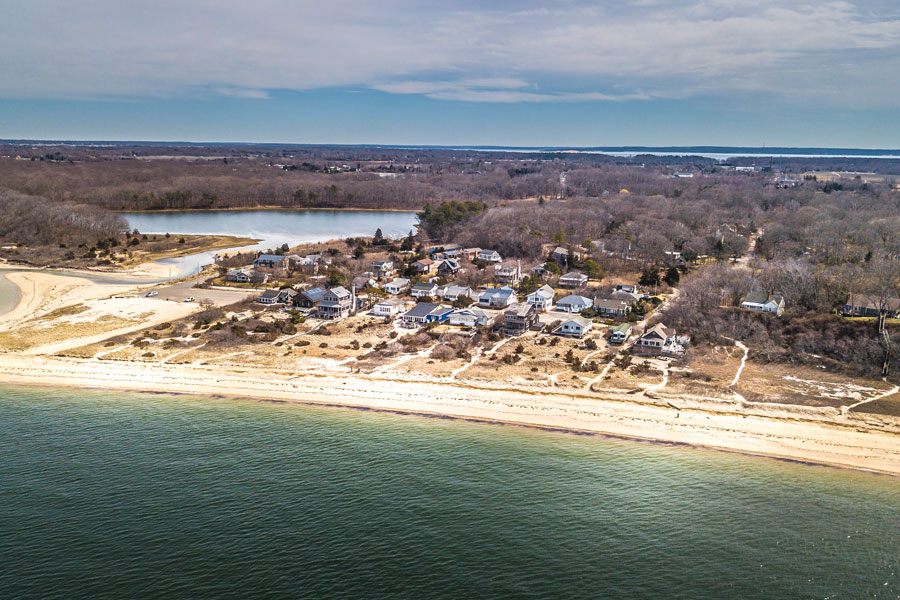
Long Island’s North Shore is the region along the island’s northern coastline bordering Long Island Sound. It generally includes the northern portions of Nassau County and Suffolk County and is known for wooded hills, rocky beaches, sheltered harbors, historic estates, waterfront villages, and coastal bluffs. Unlike a county or town, the North Shore is a geographic and cultural region rather than an officially defined governmental area.
In Short
The North Shore is the northern side of Long Island facing Long Island Sound. The region is especially known for its waterfront communities, protected harbors, historic Gold Coast estates, wooded landscapes, parks, beaches, and traditional downtown villages.
What Is the North Shore?
The North Shore refers to the northern coastal region of Long Island, where the island meets Long Island Sound. The term is commonly used for communities across northern Nassau and Suffolk counties that share a similar geography, history, and connection to the Sound.
Unlike a county, city, or incorporated village, the North Shore has no single official boundary. Its exact limits can vary depending on local usage. In general, the term includes communities along or near Long Island Sound from northwestern Nassau County east through northern Suffolk County. Farther east, the coastline continues onto the North Fork, which is often described as its own distinct region even though it also borders the Sound.
How Is the North Shore Different from the South Shore?
The North Shore has a noticeably different landscape from the South Shore. The South Shore faces the Atlantic Ocean and is known for wide sandy beaches, barrier islands, bays, and flatter coastal terrain. The North Shore borders Long Island Sound and is more commonly associated with rocky or pebbled beaches, wooded hills, coastal bluffs, narrow inlets, and protected harbors.
These geographic differences were shaped in part by the glaciers that formed much of Long Island. The northern side of the island generally has more rolling terrain and an irregular coastline, while the southern side is flatter and includes long stretches of sand and barrier beaches.
North Shore Communities
The region includes many of Long Island’s best-known waterfront and harbor communities. These include Glen Cove, Cold Spring Harbor, Huntington, Northport, and Port Jefferson, along with numerous villages, hamlets, and residential communities throughout northern Nassau County and Suffolk County.
Many North Shore communities developed around natural harbors, mills, shipbuilding, fishing, commerce, and transportation. Today, the region’s downtown areas often contain locally owned shops, restaurants, marinas, historic buildings, museums, and waterfront parks.
The Gold Coast
The western portion of the North Shore became famous during the late 19th and early 20th centuries as the Gold Coast. Some of America’s wealthiest industrialists, financiers, and prominent families built large country estates overlooking Long Island Sound. The area’s mansions, formal gardens, wooded grounds, and waterfront settings later helped inspire the world portrayed in F. Scott Fitzgerald’s novel The Great Gatsby.
Several former Gold Coast estates have been preserved as museums, historic sites, college campuses, parks, event venues, and public gardens. These properties remain an important part of the North Shore’s identity and distinguish the region from other parts of Long Island.
Beaches, Harbors, and Outdoor Recreation
The North Shore contains numerous beaches, bays, coves, harbors, and waterfront parks along Long Island Sound. Popular activities include boating, sailing, kayaking, fishing, hiking, birdwatching, picnicking, and visiting historic waterfront areas.
Because many North Shore beaches are located on the Sound rather than the open Atlantic Ocean, they often have smaller waves and more protected water conditions than ocean beaches. However, shoreline conditions vary by location, and many beaches are rocky, pebbled, or backed by bluffs rather than broad stretches of sand.
Quick Facts
| Category | Information |
|---|---|
| Region | Northern coastal area of Long Island |
| Major Waterway | Long Island Sound |
| Counties | Northern portions of Nassau County and Suffolk County |
| Official Boundary | No single legally defined boundary; limits vary by local usage |
| Landscape | Wooded hills, coastal bluffs, rocky beaches, coves, bays, and sheltered harbors |
| Known For | Waterfront villages, boating, historic estates, parks, beaches, marinas, and traditional downtowns |
| Historic Area | Gold Coast |
| Popular Communities | Glen Cove, Cold Spring Harbor, Huntington, Northport, and Port Jefferson |
| Contrasting Region | South Shore |
| State | New York State |
Long Island’s North Shore is best understood as a broad geographic and cultural region along Long Island Sound, rather than an area with fixed political borders. Its wooded coastline, historic harbors, Gold Coast estates, waterfront villages, and rolling terrain give it a character that is distinctly different from the South Shore. From the estates of northern Nassau County to the harbors of Huntington, Northport, and Port Jefferson, the North Shore remains one of the most recognizable regions of Long Island.
Are you ready for fall on Long Island? Check out these local seasonal guides:
🍎 Apple Picking 🍓 Strawberry Picking 🎃 Pumpkin Picking 👻 Haunted Houses 🍂 Farm Festivals