
Does it snow on Long Island?
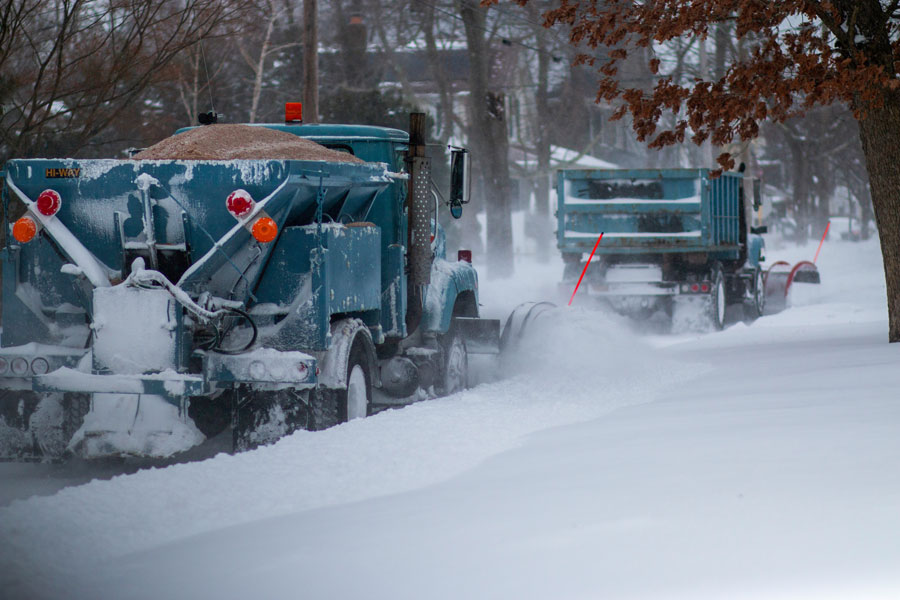
Yes, it does snow on Long Island, although snowfall varies considerably from year to year. Most winters bring at least a few measurable snowfalls, with heavier accumulations occurring during coastal winter storms known as nor’easters. Snow is generally more common and longer-lasting in eastern Suffolk County than along the island’s western shoreline.
In Short
Long Island typically experiences several snow events each winter, with the greatest chance of snowfall occurring between December and March. Winter storms can range from light dustings to major snowstorms, although milder winters occasionally bring below-average snowfall.
Does It Snow on Long Island?
Long Island’s climate is influenced by the surrounding Atlantic Ocean and Long Island Sound, which help moderate winter temperatures. As a result, snowfall totals are often lower than in many inland areas of New York, although significant winter storms can still produce substantial accumulations.
Snowfall varies across the island. Western Nassau County often experiences more mixed precipitation and rain during coastal storms, while central and eastern Suffolk County are more likely to receive heavier snowfall when temperatures remain below freezing.
Major nor’easters occasionally bring heavy snow, strong winds, coastal flooding, and travel disruptions. Local governments and transportation agencies are well equipped to respond with snow removal, road treatment, and public safety operations when significant winter weather occurs.
Although snow is a regular part of winter on Long Island, conditions can change quickly. Some winters feature several major storms, while others bring only occasional light snow or mostly rain.
Quick Facts
| Winter Weather | General Information |
|---|---|
| Snow Season | Typically December through March. |
| Heaviest Snowfall | Usually occurs during powerful coastal nor’easters. |
| Regional Differences | Eastern Suffolk County often receives more snow than western Nassau County. |
| Travel Impacts | Major winter storms may temporarily affect highways, airports, ferries, and the Long Island Rail Road. |
| Climate | The surrounding Atlantic Ocean and Long Island Sound help moderate winter temperatures. |
While Long Island winters are generally milder than those found farther inland, snowfall remains a regular part of the season. Visitors traveling during the winter months should monitor weather forecasts and road conditions, especially when coastal storms are predicted, but many winter days remain cold, sunny, and ideal for exploring the island’s towns, museums, restaurants, and waterfront communities.
Are you ready for fall on Long Island? Check out these local seasonal guides:
🍎 Apple Picking 🍓 Strawberry Picking 🎃 Pumpkin Picking 👻 Haunted Houses 🍂 Farm Festivals