
The Long Island Museum (LIM)
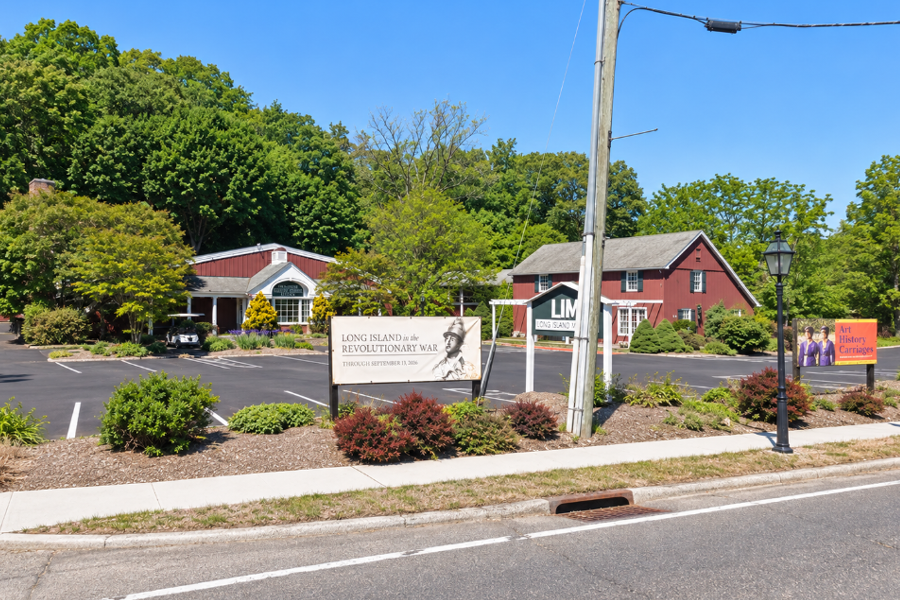
STONY BROOK, NY – The Long Island Museum of American Art, History & Carriages is one of Long Island’s leading cultural institutions, bringing together regional history, American art and an extraordinary collection of horse-drawn vehicles on a nine-acre campus in Stony Brook. Commonly known as The Long Island Museum or LIM, the museum offers visitors an opportunity to explore several centuries of Long Island life while also examining the broader artistic, social and transportation history of the United States.
Located along Route 25A near historic Stony Brook Village, the museum is particularly notable for its Carriage Museum, which contains one of the world’s most significant collections devoted to American horse-drawn transportation. The campus also includes an Art Museum, History Museum, gardens, outdoor sculpture and historic buildings that help recreate elements of Long Island’s past.
History of The Long Island Museum
The museum’s roots date to 1939, when philanthropist and businessman Ward Melville, his wife Dorothy Bigelow Melville, naturalist Robert Cushman Murphy, physician Winifred Curtis and insurance executive O.C. Lempfert established the Suffolk Museum in Stony Brook. The original museum operated from a building on Christian Avenue and began collecting objects and works of art associated with the history and culture of the region.
As the collection expanded, the institution required additional space. Horse-drawn carriages entered the collection in 1952, beginning what would eventually become one of the museum’s defining specialties. Historic buildings were also relocated to the grounds as the campus developed, reflecting Ward Melville’s broader effort to preserve and celebrate the traditional character of Stony Brook.
The Art Museum opened in 1974, while the present Carriage Museum was constructed in 1987 on the former site of the Stony Brook Hotel. Over the decades, the institution evolved from a small regional museum into a major Long Island cultural destination. The museum has been accredited by the American Alliance of Museums since 1973 and became a Smithsonian Affiliate in 2006.
The Carriage Museum
For many visitors, the Carriage Museum is the centerpiece of a trip to The Long Island Museum. The approximately 40,000-square-foot facility explores transportation before automobiles transformed American roads and contains more than 100 horse-drawn vehicles displayed through a series of galleries.
The collection goes well beyond simple passenger carriages. Exhibits examine how horse-drawn vehicles were built, how people traveled, the development of transportation routes and the role carriages played in commerce, recreation and everyday life. Vehicles range from practical forms of transportation to elaborate coaches that reflected the wealth and social standing of their owners.
Among the museum’s galleries is Going Places, which focuses on vehicles commonly used on Long Island and the development of regional transportation. Making Carriages: From Hometown Shop to Factory explores carriage manufacturing and includes vehicles built by the Studebaker Brothers along with the Graves Brothers Carriage Shop, an actual 19th-century carriage shop that was moved from Williamsburg, Massachusetts, and reconstructed inside the museum.
Other displays recreate scenes from 19th-century New York City, explore pleasure driving and sporting vehicles, and examine the elegant coach houses associated with wealthy estates. The collection helps illustrate how important horses and wheeled vehicles were to American life before motorized transportation became dominant during the early 20th century.
American Art and Long Island Artists
Art is another major part of the museum’s mission. The collection encompasses American art from the 19th century through the present, with particular attention given to artists who lived, worked or found inspiration on Long Island.
Among the artists represented is William Sidney Mount, the Setauket-born 19th-century painter known for portraits, landscapes and scenes of everyday American life. The museum’s broader art holdings help document Long Island’s place in American visual culture while changing exhibitions allow different portions of the collection and works from other sources to be presented throughout the year.
Long Island History
The Long Island Museum also preserves objects, documents, photographs and other materials that tell the story of people and communities across Nassau and Suffolk counties. Exhibitions have examined subjects ranging from transportation and local industry to slavery, civil rights, changing communities and Long Island’s role in major events in American history.
Rather than presenting Long Island history as a single period or theme, the museum uses its collections to explore how life on the Island has changed over generations. Its holdings provide a regional perspective on larger national developments while preserving stories and objects that might otherwise disappear from the historical record.
Historic Buildings and Museum Grounds
The museum experience extends outdoors across a campus containing gardens, sculptures and historic structures. Several buildings were relocated to the property as part of efforts to preserve examples of Long Island’s architectural and community history.
Among the structures is the Nassakeag One-Room Schoolhouse, dating to 1877, along with the Ploch-Williamson Barn, dating to 1794, the Smith Carriage Shed and the Samuel H. West Blacksmith Shop. Together, these structures give visitors a more tangible sense of everyday life before modern schools, transportation systems and commercial development transformed Long Island.
The grounds also contain the Emma Lee Blackford Rockwell Herb Garden, where useful medicinal and edible plants are grown, as well as outdoor art installations and a historic Beaux-Arts fountain. The combination of indoor galleries and outdoor spaces makes the museum campus itself part of the visitor experience.
Visiting The Long Island Museum
The Long Island Museum is located at 1200 Route 25A in Stony Brook, a short distance from Stony Brook Village and approximately one mile west of the Stony Brook Long Island Rail Road station. Visitors arriving by car can reach the area from the Long Island Expressway using Nicolls Road north to Route 25A.
The museum campus is divided by Route 25A. The Visitor’s Center and History Museum are on the west side of the road, while the Carriage Museum and Art Museum are on the east side. Visitors should begin at the Visitor’s Center to purchase admission before exploring the campus.
The main exhibition buildings are wheelchair accessible, and accessible parking is available on both sides of Route 25A. Wheelchairs are also available on a first-come, first-served basis. Because exhibitions, programs, tours and admission promotions can change throughout the year, visitors planning a trip should check the museum’s official website before arriving.
The Long Island Museum (LIM)
Key Facts & Details
| Official Name | The Long Island Museum of American Art, History & Carriages |
| Common Name | The Long Island Museum (LIM) |
| Location | 1200 Route 25A, Stony Brook, NY 11790 |
| Founded | 1939 |
| Museum Campus | Approximately 9 acres |
| Main Attractions | Carriage Museum, Art Museum, History Museum, historic structures, gardens and outdoor art |
| Carriage Museum | Approximately 40,000 square feet with more than 100 horse-drawn vehicles |
| Smithsonian Affiliate | Yes, since 2006 |
| Hours | Thursday 11:30 a.m.–7 p.m.; Friday–Sunday noon–5 p.m. |
| Adult Admission | $15 |
| Senior Admission | $10, age 62 and older |
| Student Admission | $10, ages 6–17 and college students with ID |
| Children | Free for children under age 6 |
| Military | Free for active and retired military |
| Accessibility | Main exhibition buildings are wheelchair accessible; accessible parking is available |
| Phone | (631) 751-0066 |
| Website | longislandmuseum.org |
With its combination of American art, Long Island history, historic buildings and an exceptional collection of horse-drawn vehicles, The Long Island Museum offers a broader experience than its name alone might suggest. Its Stony Brook campus preserves both distinctly local stories and important chapters of American history, making it a worthwhile destination for residents, families, students and visitors interested in understanding how Long Island’s communities, culture and transportation evolved over time.
Are you ready for fall on Long Island? Check out these local seasonal guides:
🍎 Apple Picking 🍓 Strawberry Picking 🎃 Pumpkin Picking 👻 Haunted Houses 🍂 Farm Festivals