
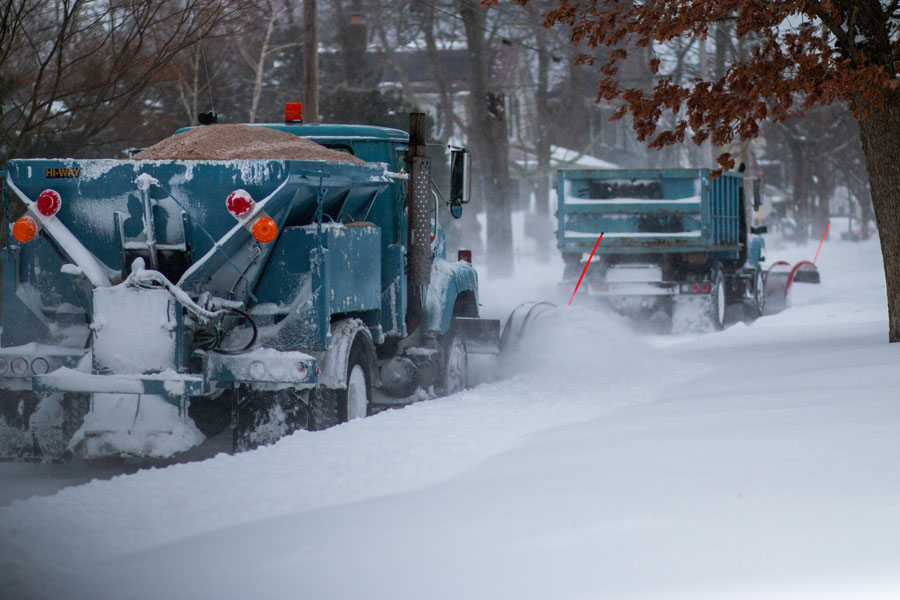
Yes, it snows on Long Island, primarily from December through March. Winter weather can bring anything from a light dusting to heavy snow, sleet, freezing rain, or a mixture of precipitation. Snowfall varies substantially between winters and between communities during the same storm.
For a useful local benchmark, NOAA’s 1991–2020 climate normals show average annual snowfall of 31.8 inches at Long Island MacArthur Airport. That figure describes one observation station, rather than an island-wide average or a prediction for the coming winter. For current forecasts and planning information, visit our Long Island Weather page.
When Does Long Island Get Snow?
December through March accounts for most of the island’s snowfall, although snow can also occur outside those months. At the MacArthur Airport observation station, January and February have the highest average monthly snowfall in NOAA’s 1991–2020 records. March remains part of the snow season, even as daylight increases and spring approaches.
A winter visit does not necessarily mean encountering snow-covered streets or landscapes. Snow may melt between storms, and some winters have long stretches with little accumulation. Other winters bring repeated storms or a single major snowfall that accounts for a substantial share of the season’s total.
How Much Snow Does Long Island Get?
There is no single snowfall total that describes every part of Long Island. Measurements depend on the location, reporting period, and individual storms. The 31.8-inch annual normal at MacArthur Airport provides a reference point, but actual totals in a particular winter can be much lower or higher.
Annual snowfall is the accumulated amount measured across separate snow events. It does not mean that amount remains on the ground at once. Snow can settle, melt, or wash away between storms, so seasonal snowfall and the depth of snow outside on a particular day are different measurements.
Readers interested in historical measurements can consult the National Weather Service’s Islip climate records and NOAA’s Climate Normals. Check the station and dates when comparing figures from different sources.
Does Suffolk County Get More Snow Than Nassau County?
Not in every storm. It is misleading to assume that Suffolk County always receives more snow than Nassau County, or that eastern communities are always colder during a coastal storm. The storm’s path, available cold air, wind direction, and temperatures above the ground all influence where snow falls and whether it changes to rain or sleet.
The surrounding Atlantic Ocean and Long Island Sound influence local temperatures. Coastal air can limit accumulation in some situations, while bands of heavier snowfall can produce sharp differences over relatively short distances. Use a forecast for your specific community rather than relying on a countywide generalization.
Can Long Island Have Major Snowstorms?
Yes. Strong coastal storms can bring heavy snow, powerful winds, poor visibility, and transportation disruptions. Some are nor’easters, named for the northeasterly winds associated with these East Coast storms. A nor’easter can also bring heavy rain, rough seas, and coastal flooding; the term does not automatically mean a snowstorm.
The National Weather Service’s explanation of nor’easters describes how these storms develop and affect coastal communities. For a particular event, follow the forecast and alerts for your destination, since snowfall and coastal flooding can present different concerns across the island.
Key Facts & Details
| Topic | What to Know |
|---|---|
| Does it snow? | Yes. Snow is a normal part of winter on Long Island, although amounts vary considerably. |
| Main snow season | December through March; snowfall can occur outside this period. |
| Local snowfall benchmark | 31.8 inches annually at Long Island MacArthur Airport, based on NOAA’s 1991–2020 climate normals. This is a station average, not an island-wide total. |
| Snowiest months at the reference station | January and February have the highest average monthly snowfall in the 1991–2020 normals. |
| Regional differences | Totals vary within and between Nassau County and Suffolk County; neither county receives the most snow in every storm. |
| Coastal influence | The Atlantic Ocean and Long Island Sound influence temperatures and precipitation. |
| Travel considerations | Winter storms may affect roads, airports, ferries, and the Long Island Rail Road. |
| Forecast resource | Check our Long Island Weather page and official alerts for your destination. |
Planning a Winter Visit
Check conditions shortly before traveling, particularly when snow, freezing rain, or strong coastal winds are forecast. Allow flexibility for delays and confirm service directly with the Long Island Rail Road, your airline, or the relevant ferry operator. An attraction may remain open even when reaching it becomes difficult.
Snow is part of winter on Long Island, but its timing, depth, and duration are unpredictable from one season to the next. Whether you are planning a visit or preparing for local travel, use historical averages for context and the current weather forecast for decisions about the days ahead.