
Lattingtown, New York
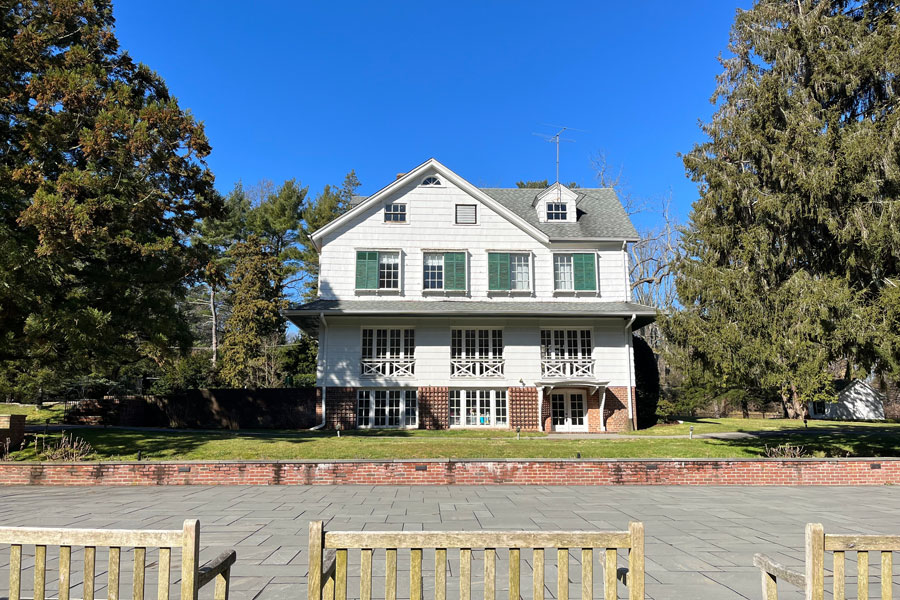
Lattingtown is an incorporated village located on the North Shore of Long Island in the Town of Oyster Bay, Nassau County, New York. Known for its historic estates, wooded landscapes, waterfront setting, and strong connection to Long Island’s Gold Coast era, Lattingtown is one of the North Shore’s most exclusive residential communities.
Situated near Locust Valley, Glen Cove, Mill Neck, and Bayville, Lattingtown occupies a scenic section of the North Shore characterized by large residential properties, mature trees, winding roads, and access to Long Island Sound. The village remains largely residential and has preserved much of the character that made the area famous during the late nineteenth and early twentieth centuries.
History of Lattingtown
The area that became Lattingtown was originally inhabited by Native American communities long before European settlement. During the colonial era, the region consisted primarily of farmland, woodlands, and coastal property associated with nearby settlements in Oyster Bay and the surrounding North Shore.
Lattingtown experienced significant growth during the late nineteenth century as wealthy New York City families established large country estates throughout the region. The North Shore became known as Long Island’s Gold Coast, and Lattingtown emerged as one of its most prestigious residential enclaves. Grand estates, landscaped grounds, carriage houses, and architecturally significant residences transformed the area into a showcase of wealth and elegance.
The Village of Lattingtown was officially incorporated in 1930. While some historic estates have been subdivided over the years, the village continues to maintain much of its original character through zoning regulations, conservation efforts, and preservation of open space.
Geography and Setting
Lattingtown is located along the North Shore of Nassau County near the waters of Long Island Sound. The village is characterized by rolling terrain, mature forests, estate properties, and scenic residential roads.
Its location places residents within easy reach of waterfront areas, nature preserves, and neighboring communities including Locust Valley, Mill Neck, Bayville, and Glen Cove. The village’s extensive tree canopy and low-density development contribute significantly to its distinctive appearance and appeal.
Gold Coast Heritage
Lattingtown remains closely associated with Long Island’s Gold Coast period. During the late nineteenth and early twentieth centuries, many prominent business leaders, financiers, and industrialists built large estates throughout the area.
Several historic properties and former estate grounds continue to define the landscape. The village’s architectural character reflects a variety of styles, including Colonial Revival, Tudor Revival, Georgian, and Mediterranean influences commonly found throughout the Gold Coast region.
Today, Lattingtown remains one of the communities most closely identified with the historic legacy of Long Island’s estate era.
Recreation and Outdoor Activities
Residents enjoy access to numerous recreational opportunities throughout the North Shore region.
Popular nearby destinations include:
- Bailey Arboretum
- Shu Swamp Nature Preserve
- Oyster Bay Harbor
- Mill Neck Creek
- Theodore Roosevelt Memorial Park
- Long Island Sound
These destinations provide opportunities for hiking, birdwatching, boating, photography, kayaking, fishing, and nature study.
Transportation
Lattingtown is connected to neighboring North Shore communities through local roadways including Lattingtown Road, Bayville Road, and nearby Northern Boulevard (NY 25A).
Nearby Long Island Rail Road service is available at the Locust Valley station on the Oyster Bay Branch, providing commuter access to Nassau County, Queens, and New York City.
Housing and Community Character
Housing in Lattingtown consists primarily of large single-family homes, estate properties, and custom residences situated on spacious lots. Architectural styles range from historic Gold Coast mansions to contemporary luxury homes.
The village is known for its privacy, quiet streets, wooded landscapes, and low-density residential development. Strict zoning standards have helped preserve the community’s character and open space while limiting large-scale commercial development.
Residents value the village’s combination of natural beauty, historic significance, and proximity to the broader amenities of Nassau County.
Economy
Lattingtown is primarily residential and does not contain a significant commercial district. Residents typically rely on nearby communities such as Locust Valley, Glen Cove, and Oyster Bay for shopping, dining, professional services, and entertainment.
The village benefits from its proximity to employment centers throughout Nassau County and the New York metropolitan area.
Lattingtown, New York
Key Facts and Details
| Location | North Shore of Long Island, Nassau County, New York |
|---|---|
| Town | Town of Oyster Bay |
| County | Nassau County |
| Community Type | Incorporated Village |
| Incorporated | 1930 |
| Population | Approximately 1,700 residents |
| ZIP Code | 11560 |
| School District | Locust Valley Central School District |
| Transportation | Lattingtown Road, Bayville Road, Northern Boulevard (NY 25A), nearby LIRR service |
| Known For | Gold Coast estates, wooded landscapes, historic homes, and residential exclusivity |
| Nearby Communities | Locust Valley, Mill Neck, Bayville, and Glen Cove |
| Nearby Attractions | Bailey Arboretum, Shu Swamp Nature Preserve, Oyster Bay Harbor, and Long Island Sound |
| Community Character | Historic, affluent, wooded, scenic, and residential |
Lattingtown remains one of Long Island’s most distinguished North Shore communities. With its Gold Coast heritage, preserved estate character, wooded landscapes, and proximity to Long Island Sound, the village offers a unique blend of history, natural beauty, and residential tranquility. Its commitment to preservation and low-density development continues to make Lattingtown one of Nassau County’s most desirable residential communities.
Are you ready for fall on Long Island? Check out these local seasonal guides:
🍎 Apple Picking 🍓 Strawberry Picking 🎃 Pumpkin Picking 👻 Haunted Houses 🍂 Farm Festivals