
National Grid on Long Island (Natural Gas Service)
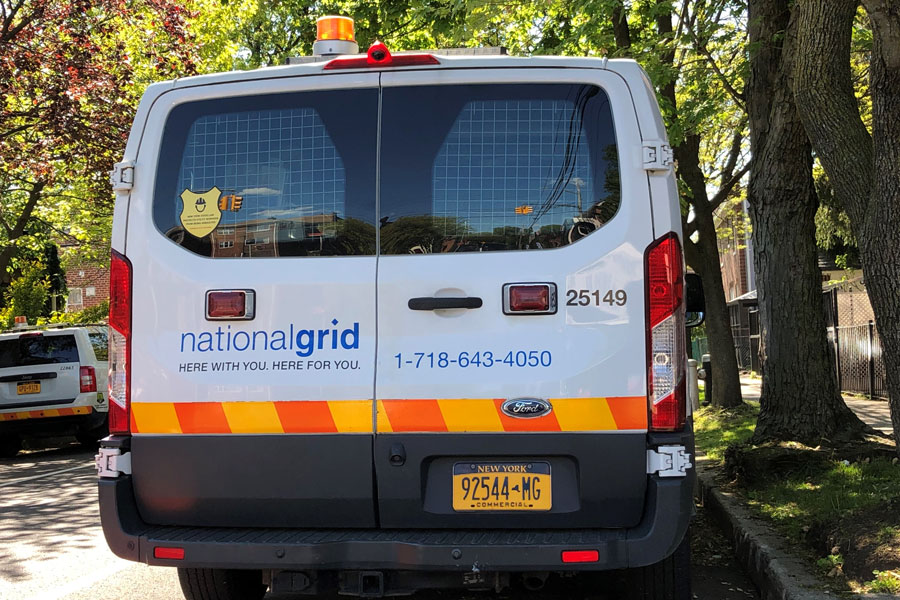
National Grid is the primary investor-owned natural gas utility serving much of Long Island. Where gas service is available, the company supplies fuel for home heating, cooking, hot water, and many commercial and industrial uses. Availability is not universal in every community, however, and some parts of Suffolk County still rely more heavily on oil heat, electric heat, or propane. If you are moving, renovating, or considering a fuel conversion, it is wise to confirm address-specific availability before making plans.
Unlike electric service on Long Island, which involves LIPA and is operated by PSEG Long Island, gas service in National Grid territory is handled directly by National Grid. For current customer-service options, move requests, billing help, and safety information, use National Grid’s official New York website.
Service Area
On Long Island, National Grid’s gas network generally serves:
- Nassau County – Much of the county where gas mains are in place.
- Suffolk County – Many western and central communities, with service generally becoming less common farther east and in lower-density areas.
- Brooklyn, portions of Queens, and Staten Island – National Grid also operates major gas-service territory elsewhere in downstate New York City.
Because gas infrastructure is highly location-specific, service to a particular home, apartment building, or business depends on nearby mains, site conditions, and current utility policies. New connections, upgrades, and expansion projects can also be affected by permitting, infrastructure limits, and changing regulatory requirements.
Operations and Infrastructure
National Grid operates and maintains a large regional system that includes:
- Transmission and distribution pipelines that move natural gas to neighborhoods, homes, and businesses.
- Pressure-regulation, metering, and control equipment that helps manage safe delivery.
- Emergency response teams available around the clock for gas-leak and system-safety incidents.
- System-upgrade and pipe-replacement projects intended to improve reliability and reduce safety risks.
Safety and Customer Service
Natural gas is widely used, but leaks and damaged lines can be dangerous. If you smell gas or suspect a damaged line, leave the area immediately, avoid flames and electrical switches, and follow National Grid’s current emergency instructions from a safe location. In an immediate emergency, call 911.
- 24/7 emergency reporting for suspected gas odors, leaks, and other urgent safety concerns.
- Inspections and replacement programs aimed at maintaining and modernizing older infrastructure.
- Dig-safety outreach reminding residents and contractors to contact 811 before digging so underground utilities can be marked.
For billing, account management, service turn-ons or turn-offs, and move requests, National Grid offers online and phone support. Specific contact methods, service-center availability, and turnaround times may change, so check the official site before visiting, scheduling work, or relying on walk-in assistance.
Clean Energy and the Future
National Grid’s gas system is also part of New York’s broader energy transition. The company continues to invest in system modernization and emissions-reduction efforts while state policy increasingly encourages lower-carbon buildings, efficiency improvements, and electrification in some settings.
- Reducing methane leaks and replacing aging infrastructure.
- Evaluating lower-carbon fuel pathways, such as renewable natural gas, where permitted and practical.
- Operating under state climate and utility policy goals, including those connected to the Climate Leadership and Community Protection Act.
Oversight and Regulation
National Grid’s New York gas operations are regulated by the New York State Public Service Commission, with oversight administered through the state Department of Public Service. That framework covers rates, safety standards, service obligations, and many infrastructure investments. Learn more at the New York State Department of Public Service.
Local Role
For households and businesses that use natural gas, National Grid remains an important part of daily life on Long Island. Its network supports home heating, hot water, cooking, restaurants, commercial properties, and other energy needs across much of the region.
This page is especially useful for new residents, second-home owners, landlords, and business operators who may need to understand:
- Billing and account questions, including move-ins, move-outs, and available customer-service tools.
- Emergency procedures if you smell gas or suspect a leak.
- Address-specific service availability when buying, renting, building, or converting a property.
- Long-term energy planning as utility policy, building rules, and lower-carbon technologies continue to evolve.
Official website: National Grid New York. Service details, connection policies, program availability, and contact information may change, so checking ahead is always recommended.
Locations on Long Island
Key Facts & Details
| Utility | National Grid |
| Service | Natural gas distribution |
| Long Island Service Area | Much of Nassau County and portions of Suffolk County |
| Other Downstate Service Areas | Brooklyn, portions of Queens, and Staten Island |
| Primary Uses | Home heating, hot water, cooking, and commercial and industrial applications |
| Regulator | New York State Public Service Commission |
| Gas Emergency Service | Available 24 hours a day |
| Before Digging | Contact New York 811 |
| Service Availability | Varies by address and proximity to existing gas infrastructure |
| Official Website | nationalgridus.com |
National Grid’s natural gas network remains an important part of Long Island’s energy infrastructure, serving homes, businesses, restaurants, and other properties across much of Nassau and Suffolk counties. Because natural gas availability can vary considerably from one neighborhood or property to another, residents, property owners, and businesses should confirm service directly with National Grid when moving, planning construction, considering a fuel conversion, or arranging new gas service.
Are you ready for fall on Long Island? Check out these local seasonal guides:
🍎 Apple Picking | 🍂 Fall Festivals & Farm Activities | 👻 Haunted Houses | 🎃 Pumpkin Picking