
Long Island Power Authority (LIPA)
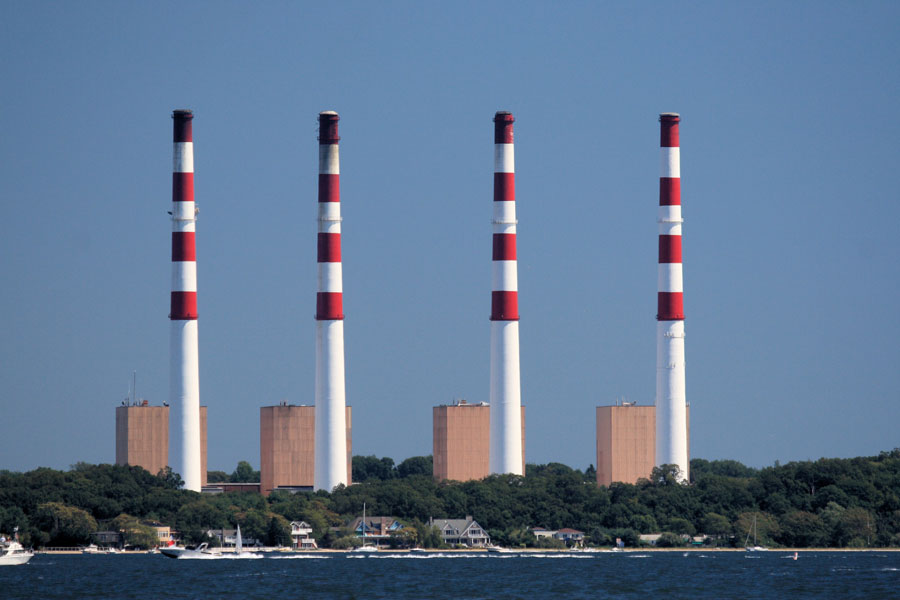
The Long Island Power Authority (LIPA) is the public authority that owns the electric transmission and distribution system serving Nassau County, Suffolk County, and the Rockaway Peninsula in Queens. Created in 1985 by the New York State Legislature, LIPA keeps the regional electric grid under public ownership while day-to-day electric service functions are handled under contract by a private operator.
For most residents and businesses, the practical distinction is simple: LIPA owns the system, while customer-facing electric service is generally handled through PSEG Long Island. Rates, policies, and operating arrangements can change over time, so it is always smart to check official sources for the latest details before relying on specific procedures or contact information.
Role and Responsibilities
- Owns the electric transmission and distribution infrastructure across Long Island service territory in Nassau and Suffolk counties, plus the Rockaway service area.
- Oversees utility management through service and operations contracts.
- Sets policy direction, reviews budgets and costs, and maintains financial responsibility for the public authority.
- Supports system reliability, storm hardening, infrastructure upgrades, and New York State clean-energy goals.
History
- 1985 – LIPA was created by New York State in response to Long Island’s unique electric and public-policy challenges, including the Shoreham nuclear controversy.
- 1998 – LIPA acquired key Long Island Lighting Company (LILCO) assets and became the region’s primary publicly owned electric authority.
- 2014 – PSEG Long Island began operating the electric system under contract, handling most day-to-day service functions on LIPA’s behalf.
Governance
LIPA is governed by a Board of Trustees under New York State law. As a public authority rather than an investor-owned utility, it does not operate for shareholders; revenue is used for system operations, debt obligations, infrastructure improvements, electric-service programs, and other authority purposes.
Relationship with PSEG Long Island
LIPA owns the electric system, while PSEG Long Island currently manages day-to-day operations such as billing, customer service, line work, and storm response under contract. In practical terms, many customers interact with PSEG Long Island for routine service needs, while LIPA remains the public owner and policy-setting authority.
See more on PSEG Long Island ➝
Contact & Resources
- Official Website: lipower.org
- Customer Service: Most billing, outage, start/stop service, and account-related matters are typically handled through PSEG Long Island.
- Headquarters: Uniondale, New York
Board materials, rate information, annual reports, procurement notices, and public meeting details are typically posted on LIPA’s official website. Office procedures, meeting schedules, and service contacts may change, so check ahead for the most current information.
Key Facts & Details
| Feature | Details |
|---|---|
| Founded | 1985 |
| Type | Public authority / publicly owned electric utility |
| Service Area | Nassau County, Suffolk County, and the Rockaway Peninsula in Queens. |
| Customer Accounts Served | More than 1 million electric customer accounts through LIPA’s system and operating arrangement |
| Primary Role | Owner of the electric transmission and distribution system |
The Long Island Power Authority remains central to how electricity is delivered across Long Island, even though most customers interact directly with PSEG Long Island for billing, outages, and day-to-day service. As the public owner of the regional electric system, LIPA plays a major role in infrastructure investment, reliability planning, rates, long-term energy policy, and the transition toward cleaner power across Nassau County, Suffolk County, and the Rockaway Peninsula.
Are you ready for fall on Long Island? Check out these local seasonal guides:
🍎 Apple Picking | 🍂 Fall Festivals & Farm Activities | 👻 Haunted Houses | 🎃 Pumpkin Picking