
The South Fork of Long Island
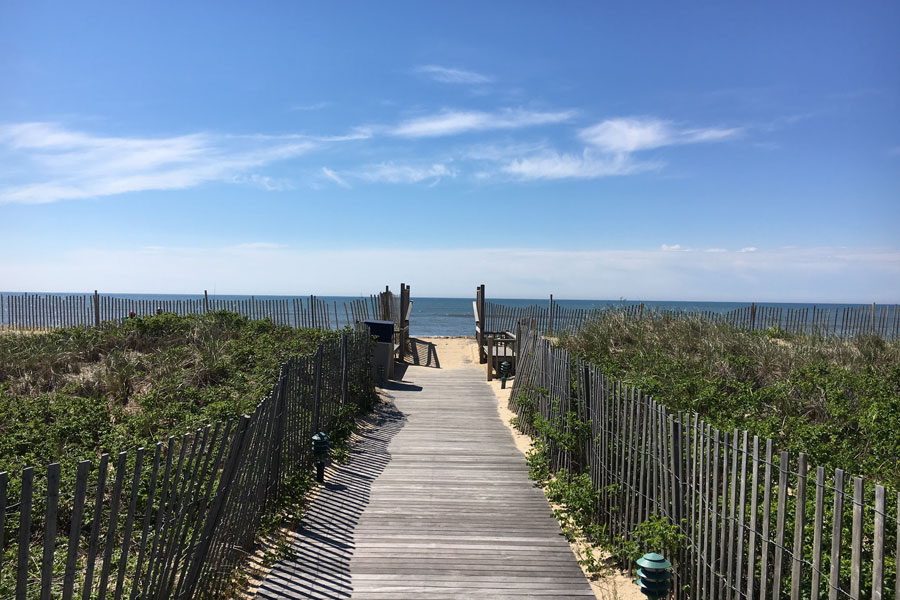
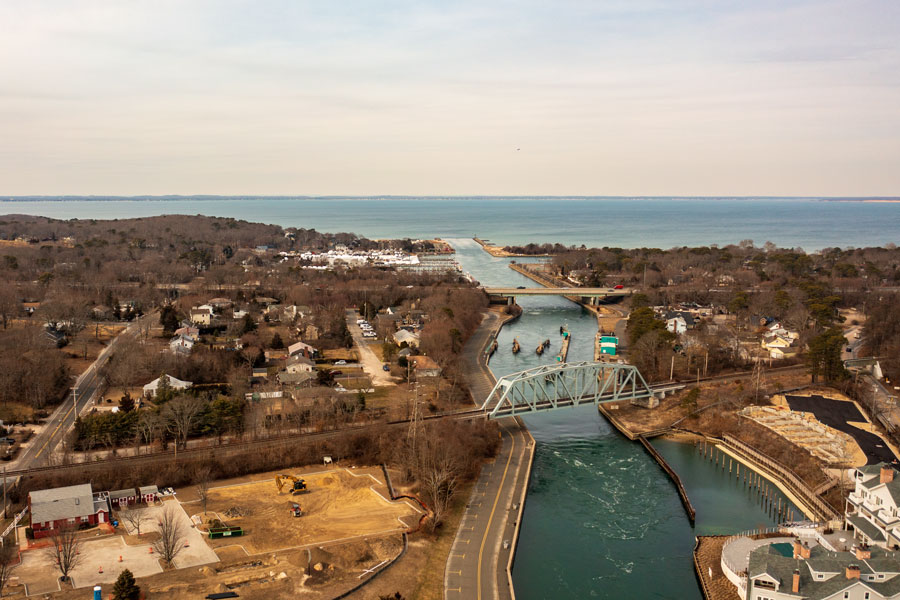
The South Fork of Long Island occupies the island’s southeastern fork, extending from the Shinnecock Canal through Southampton and East Hampton to Montauk. Closely associated with the Hamptons, the region blends iconic ocean beaches, historic villages, marinas, farmland, art and culture, and a polished resort atmosphere. While it is famous for luxury and summer crowds, the South Fork also offers quieter hamlets, nature preserves, fishing docks, farm stands, and a strong sense of place beyond the peak season.
The region includes some of the best-known communities on the East End, including Southampton, Bridgehampton, Sagaponack, Water Mill, East Hampton, Sag Harbor, and Montauk. Together, these places form one of Long Island’s most recognizable travel corridors, combining Atlantic Ocean beaches, historic Main Streets, cultural institutions, waterfront dining, and protected natural landscapes.
History and Heritage
The South Fork’s history reaches back long before it became one of America’s best-known resort regions. Indigenous communities lived along the bays, beaches, and inland waterways for thousands of years, relying on fishing, shellfishing, hunting, farming, and trade. The area’s protected harbors, fertile lands, and Atlantic coastline later attracted European settlers, who established farming, fishing, and maritime communities across what is now eastern Suffolk County.
During the 18th and 19th centuries, the South Fork developed around agriculture, whaling, coastal trade, and commercial fishing. Villages such as Sag Harbor became important maritime centers, while inland areas supported farms, mills, and rural settlements. Fishing and boating remained especially important in Montauk, which would later become one of the Northeast’s best-known sport-fishing destinations.
By the late 19th and early 20th centuries, the South Fork began attracting artists, writers, wealthy summer residents, and vacationers drawn by its ocean beaches, open landscapes, and village character. Over time, the Hamptons became internationally associated with luxury, culture, and seasonal life, while still retaining deep ties to farming, fishing, architecture, preservation, and coastal recreation. Today, the South Fork’s identity is shaped by this layered history of Native American heritage, maritime industry, agriculture, art, and resort development.
Beaches and Coastal Lifestyle
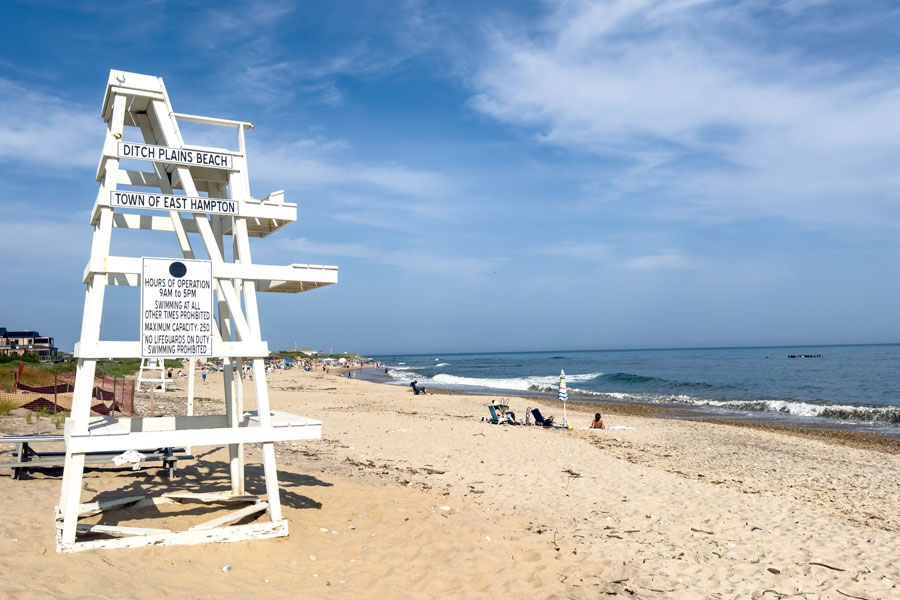
The South Fork is lined with some of the best-known beaches on the East Coast, prized for wide sandy shores, rolling dunes, Atlantic surf, and dramatic ocean views. Cooper’s Beach in Southampton is frequently recognized among the country’s top beaches, while Main Beach in East Hampton and Ditch Plains in Montauk attract sunbathers, surfers, photographers, and summer visitors.
Coastal life on the South Fork extends beyond the oceanfront. Shinnecock Bay, Mecox Bay, Napeague Bay, Gardiners Bay, and nearby inlets support boating, sailing, kayaking, paddleboarding, fishing, and shellfishing. Beach access rules, parking fees, and permit requirements can vary by community and season, so it is wise to check ahead before visiting, especially during peak summer weekends.
The Hamptons: Culture and Luxury
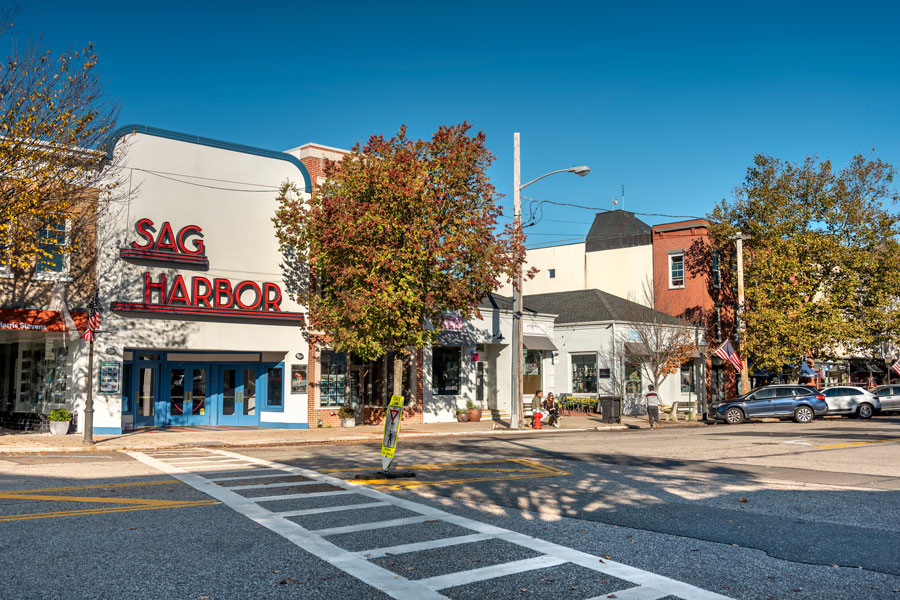
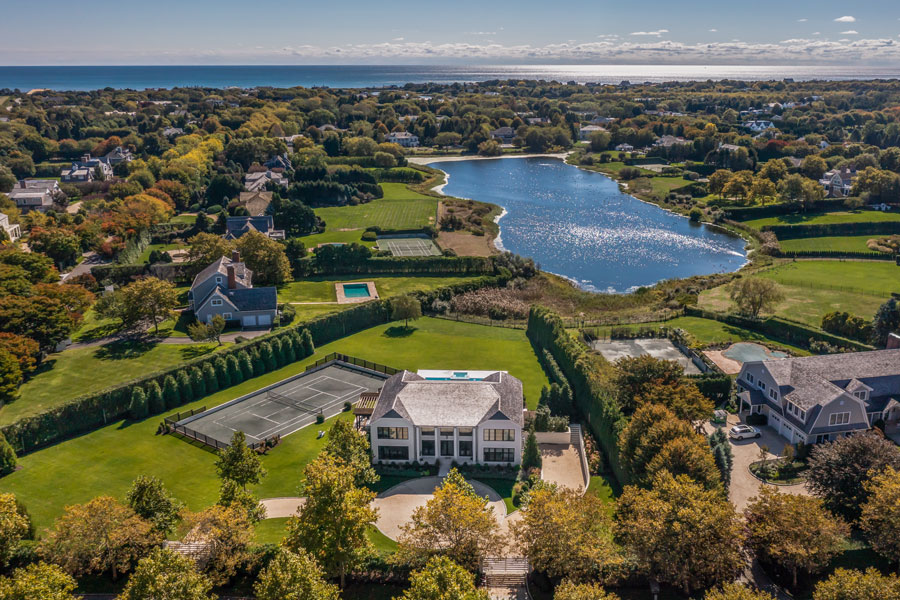
The Hamptons are synonymous with high-end living, but the area’s appeal goes beyond designer boutiques, oceanfront estates, and polished restaurants. Communities such as Southampton, East Hampton, Bridgehampton, Sagaponack, Water Mill, and Sag Harbor combine historic architecture, walkable downtowns, galleries, inns, restaurants, and a busy calendar of seasonal events.
Summer brings the largest crowds and the most visible social scene, but spring and fall are often favored for a more relaxed visit. During the shoulder seasons, visitors can experience many of the region’s beaches, museums, shops, trails, and restaurants with fewer crowds while still enjoying the scenic beauty and cultural energy that make the South Fork famous.
Cultural highlights include:
- Guild Hall in East Hampton – museum, theater, and year-round cultural programming.
- Parrish Art Museum in Water Mill – striking modern architecture and rotating exhibitions.
- Sag Harbor – a historic village with whaling-era roots, a lively Main Street, waterfront dining, and a strong cultural and literary identity.
Vineyards, Farm Stands, and Dining
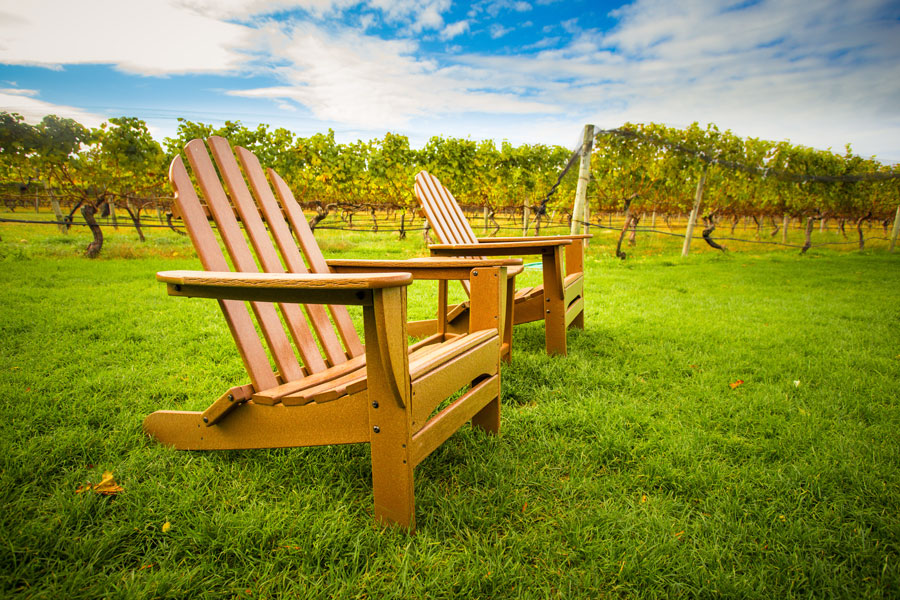
While fewer in number than those on the North Fork, the South Fork’s wineries and tasting rooms are an important part of the local food-and-wine scene. Notable names include Wölffer Estate Vineyard in Sagaponack and Channing Daughters Winery in Bridgehampton. These vineyards reflect the region’s agricultural side and help connect the Hamptons’ luxury image with the working farmland that still shapes parts of the South Fork.
Dining is central to the South Fork experience, ranging from seafood shacks and casual cafés to refined farm-to-table restaurants. Local farm stands, seasonal produce, fresh-caught seafood, bakeries, vineyards, and specialty markets help define the region’s culinary character. Visitors can move from a beach day to a village dinner, a winery visit, or a dockside seafood meal without leaving the South Fork’s coastal landscape.
Montauk: The End
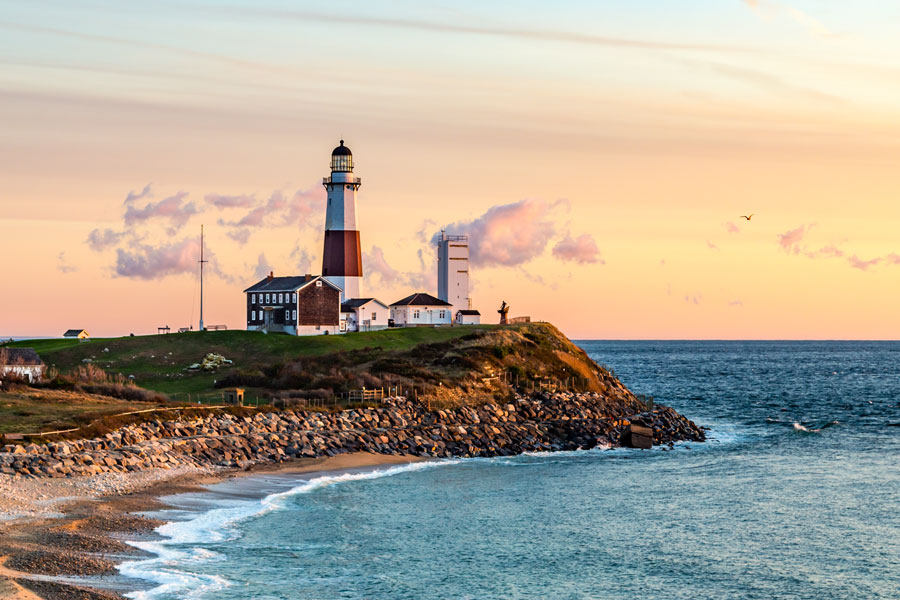
At the eastern tip of the South Fork lies Montauk, often called The End. Known for its fishing heritage, surf culture, state parks, and famous lighthouse, Montauk has a personality distinct from the more polished Hamptons villages to the west. It remains one of Long Island’s signature destinations for ocean views, hiking, camping, surfing, charter fishing, and dramatic coastal scenery.
Montauk is also one of the South Fork’s strongest year-round outdoor destinations. Its beaches, bluffs, ponds, trails, marinas, and fishing fleet give the community a rugged coastal identity that differs from Southampton and East Hampton. Summer brings heavy crowds, nightlife, and packed restaurants, while the off-season offers a quieter atmosphere that appeals to hikers, anglers, photographers, and visitors seeking a less commercial experience.
Highlights include:
- Montauk Point Lighthouse – a historic lighthouse and museum at the edge of the Atlantic.
- Hither Hills State Park – ocean beaches, camping, and trails with scenic views.
- Fishing charters – Montauk is long regarded as one of the Northeast’s premier sport-fishing ports.
- Ditch Plains – one of Long Island’s best-known surf areas.
Getting There and Visitor Tips
The South Fork can be reached by car via Sunrise Highway and Montauk Highway, by the Long Island Rail Road’s Montauk Branch, and by private or scheduled coach services that operate from New York City and elsewhere on Long Island. Travel times can increase sharply on summer weekends, especially eastbound on Fridays and westbound on Sundays.
Parking in beach areas and village centers may be limited or restricted, and some beaches require resident permits or paid passes during the season. Train schedules, parking rules, beach permits, and seasonal service details can change, so checking ahead can make a day trip or weekend stay much smoother. Visitors looking for a quieter experience may want to consider weekday travel, early morning departures, or shoulder-season visits in May, June, September, and October.
Why Visit
The South Fork appeals to travelers looking for iconic beach towns, scenic Atlantic shoreline, culture, dining, nightlife, historic villages, galleries, wineries, waterfront experiences, and outdoor recreation. It is one of the few places on Long Island where visitors can surf in the morning, visit a museum or winery in the afternoon, dine in a historic village at night, and still be surrounded by dunes, bays, farms, marinas, and preserved open space.
The region is stylish and social in peak season, but it is also scenic, historic, and outdoors-oriented depending on where and when you visit. Southampton and East Hampton offer classic Hamptons elegance, Sag Harbor adds maritime history and village charm, Bridgehampton and Water Mill connect the region to farmland and the arts, and Montauk delivers the South Fork’s most rugged oceanfront identity.
Vicinity of the South Fork
Key Facts & Details
| Category | Details |
|---|---|
| Location | Eastern South Shore of Suffolk County, extending from the Shinnecock Canal to Montauk |
| Region | Part of the East End of Long Island |
| Water Bodies | Atlantic Ocean, Shinnecock Bay, Mecox Bay, Napeague Bay, Gardiners Bay, and Block Island Sound |
| Major Communities | Southampton, Hampton Bays, Bridgehampton, Sagaponack, Water Mill, East Hampton, Amagansett, Sag Harbor, and Montauk |
| Known For | Ocean beaches, resort communities, historic villages, arts and culture, surfing, sport fishing, wineries, marinas, and a high-profile summer scene |
| Popular Attractions | Cooper’s Beach , Main Beach, Ditch Plains, Montauk Point Lighthouse, Parrish Art Museum, Guild Hall, Sag Harbor, and Hither Hills State Park |
| Activities | Beachgoing, surfing, sailing, charter fishing, winery visits, hiking, shopping, dining, boating, photography, and cultural events |
| Transportation | Sunrise Highway, Montauk Highway, Long Island Rail Road Montauk Branch, and scheduled coach service from New York City |
| Best Time to Visit | Late spring through fall, with peak visitation during summer and quieter conditions in the shoulder seasons |
| Atmosphere | Coastal, upscale, scenic, historic, cultural, and recreation-focused |
The South Fork remains one of Long Island’s most recognizable regions because it offers far more than a single type of destination. From polished Hamptons villages and oceanfront estates to fishing docks, nature preserves, farm stands, surf beaches, and historic waterfront communities, the area contains a wide range of experiences packed into a relatively narrow stretch of coastline. Whether visitors are drawn by the beaches, the arts scene, the food culture, or simply the atmosphere of the East End, the South Fork continues to balance tourism, history, and coastal living in a way that few places in the Northeast can replicate.
Are you ready for fall on Long Island? Check out these local seasonal guides:
🍎 Apple Picking | 🍂 Fall Festivals & Farm Activities | 👻 Haunted Houses | 🎃 Pumpkin Picking