
Queens, New York
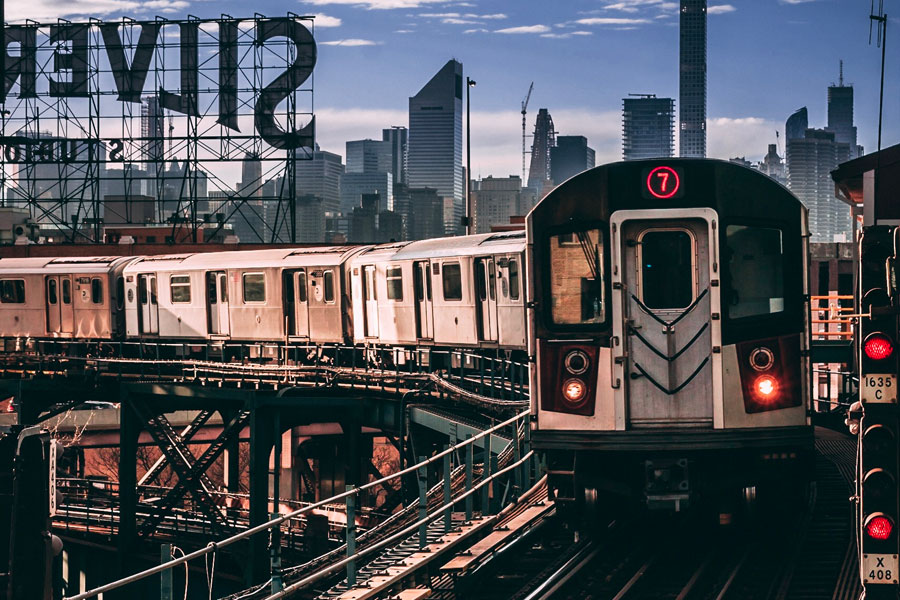
Queens, the largest of New York City’s five boroughs by area, occupies the western end of Long Island and is home to well over 2 million residents. It borders Brooklyn to the west and Nassau County to the east, and includes everything from dense urban neighborhoods and major airports to beaches, parkland, and quieter residential areas. Widely recognized as one of the most diverse urban places in the world, Queens is a borough where dozens of languages, cuisines, and cultural traditions shape daily life.
History
Established in 1683 as one of the original counties of colonial New York, Queens County was named in honor of Queen Catherine of Braganza, the Portuguese wife of King Charles II of England. The borough’s modern form took shape during New York City’s consolidation in 1898, when the western towns became part of the city; the eastern towns separated soon afterward to form Nassau County in 1899. That layered history still shows up today in Queens’ mix of older village centers, early suburban neighborhoods, waterfront industry, and major civic landmarks.
Geography & Neighborhoods
Queens covers about 178 square miles in total, including substantial waterfront and marshland, and stretches from the East River to the Atlantic Ocean. Its neighborhoods vary dramatically in look and feel, giving visitors plenty of ways to experience the borough:
- Astoria: Known for its Greek roots, lively restaurant scene, cultural institutions, and easy access to Manhattan.
- Flushing: One of the borough’s biggest commercial and cultural centers, celebrated for its dense dining scene and large Chinese, Korean, and other Asian communities.
- Long Island City (LIC): A fast-evolving waterfront district with contemporary towers, skyline views, art spaces, and parks along the East River.
- Jackson Heights: A classic crossroads neighborhood known for its multicultural character, historic garden-apartment blocks, and exceptional South Asian and Latin American food.
- Jamaica: A major transit and business hub with Long Island Rail Road service, AirTrain JFK connections, shopping corridors, and easy access to southeastern Queens.
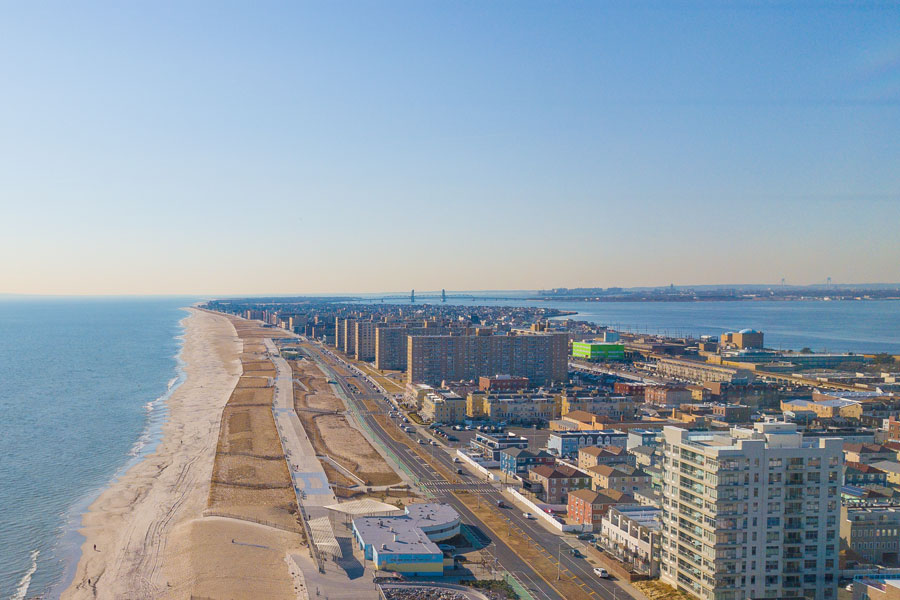
- Rockaway Beach: A coastal neighborhood on the Rockaway Peninsula with sandy beaches, surf culture, a long boardwalk, and a distinctly relaxed feel in season.
Attractions & Landmarks
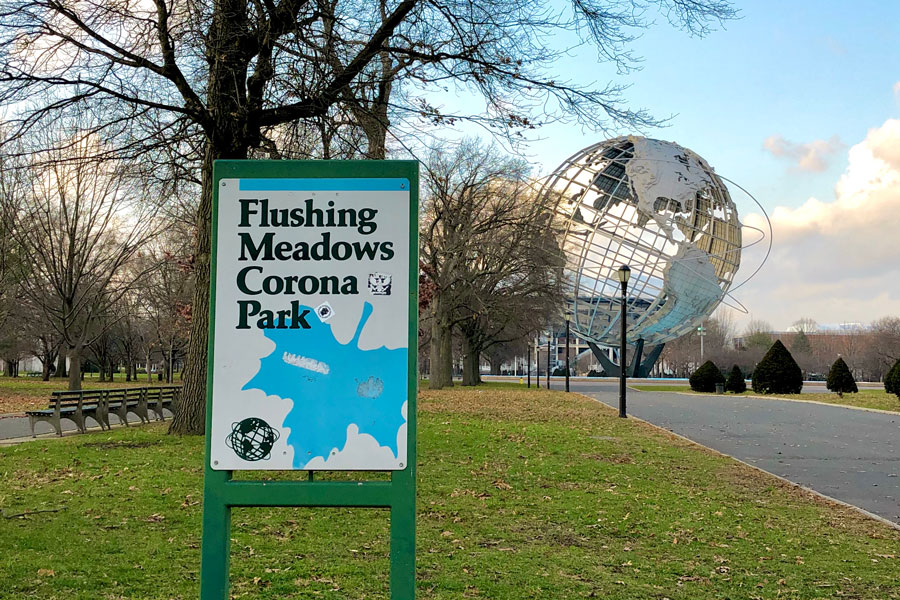
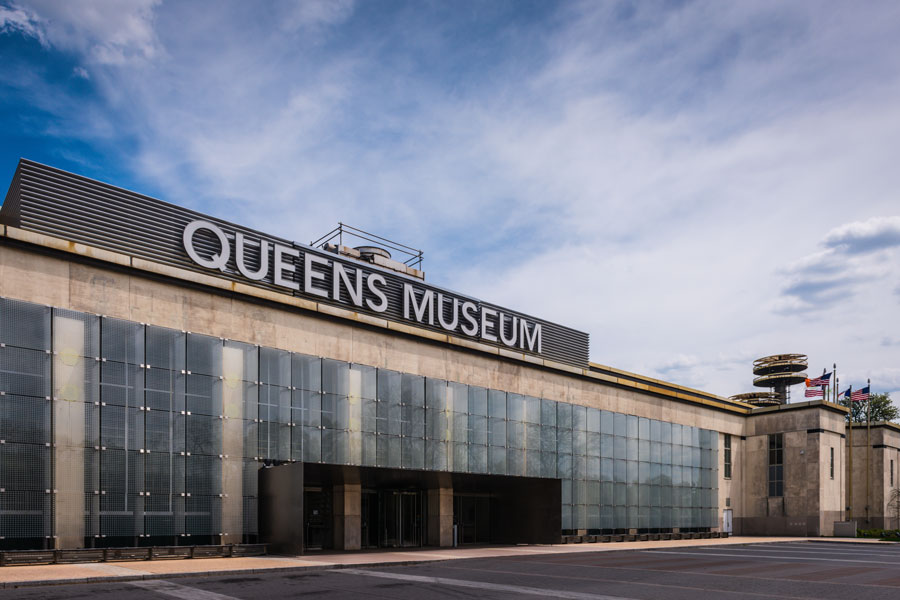
Flushing Meadows Corona Park: One of New York City’s largest parks, this expansive destination is anchored by the Unisphere and includes Citi Field, the USTA Billie Jean King National Tennis Center, the Queens Museum, Queens Theatre, the New York Hall of Science, lakes, trails, and athletic fields. Nearby, Queens Botanical Garden offers a quieter companion stop just east of the park.
- Citi Field: Home of the New York Mets and a major venue for baseball, concerts, and special events.
- Queens Night Market: A popular seasonal open-air market featuring global food vendors, local makers, and live performances. Dates and hours can vary, so check the current schedule before visiting.
- Museum of the Moving Image: In Astoria, this standout museum explores film, television, digital media, and screen culture through exhibitions and screenings.
- Queens County Farm Museum: A working historic farm in Floral Park offering a rare look at New York City’s agricultural past, along with seasonal programs and family-friendly events.
- Gantry Plaza State Park & Hunters Point South Park: Long Island City waterfront parks with Manhattan skyline views, piers, playgrounds, and inviting public open space.
- Jamaica Bay and the Rockaways: For nature and shoreline access, these areas offer beaches, birding, bay views, and a very different side of the borough from its denser inland neighborhoods.
Hours, ticketing, beach operations, and seasonal programming can change throughout the year, so it’s smart to check ahead before heading to museums, stadiums, markets, or waterfront attractions.
Dining & Cuisine
Queens’ dining scene is one of its greatest draws, with neighborhood business districts serving food from around the world:
- Flushing: Famous for regional Chinese specialties, Korean dining, Taiwanese snacks, dumpling shops, bakeries, and busy food halls.
- Jackson Heights: A go-to area for Indian, Nepali, Tibetan, Pakistani, Bangladeshi, Colombian, Mexican, and other Latin American cuisines.
- Astoria: Long known for Greek tavernas, it also offers excellent Middle Eastern, Balkan, Egyptian, and contemporary New York dining.
- Across the borough: From Woodside and Sunnyside to Richmond Hill, Elmhurst, and Jamaica, food exploration is often as rewarding as the sightseeing itself.
Transportation
Queens is exceptionally well connected, though travel times can vary widely depending on neighborhood, traffic, and service conditions:
- Subways: Numerous lines serve the borough, including the 7, E, F, M, R, N, W, A, J, and Z, linking Queens with Manhattan, Brooklyn, and the Rockaways. Service patterns can change, especially on weekends.
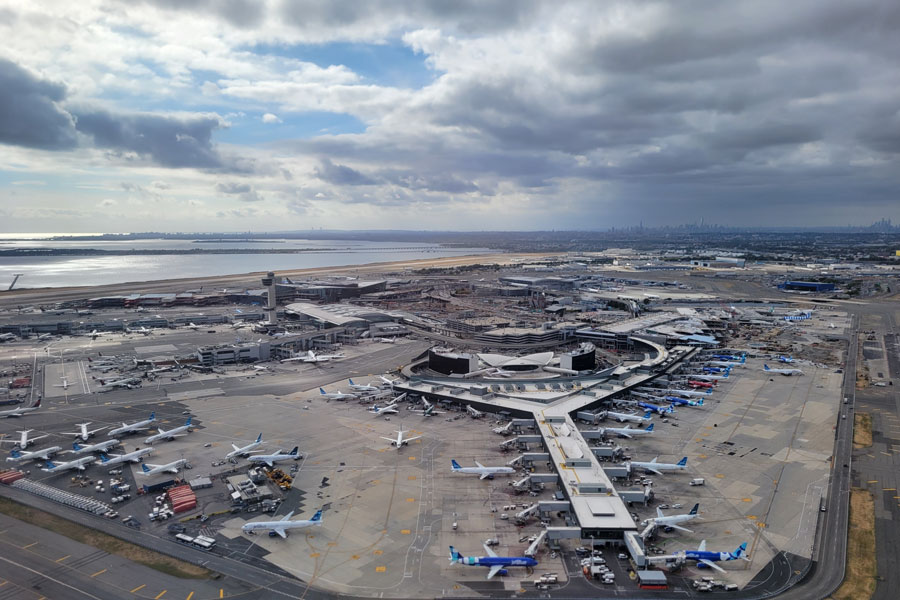
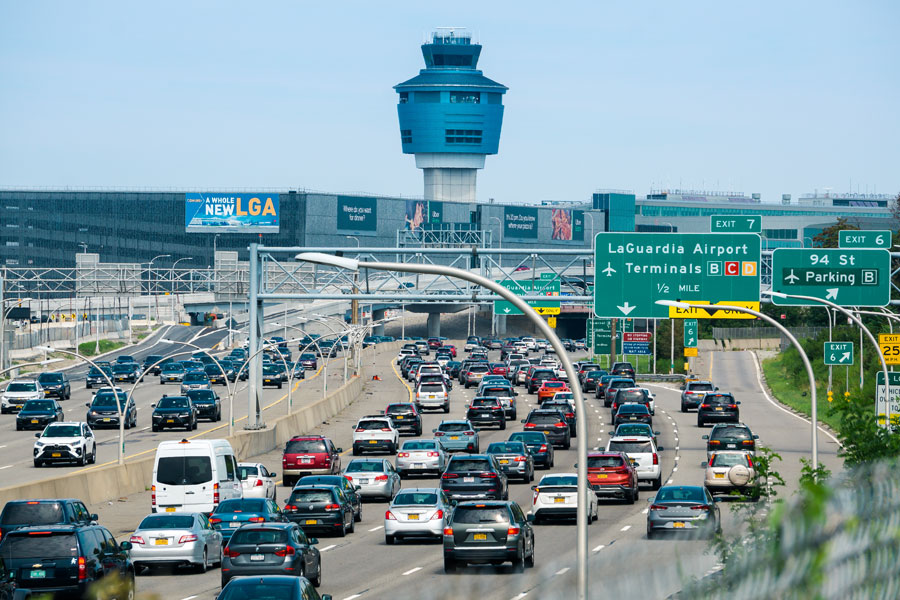
- Airports: Both of New York City’s major airports, John F. Kennedy International Airport and LaGuardia Airport, are located in Queens.
- Buses, LIRR, and AirTrain: An extensive bus network, Long Island Rail Road service through hubs such as Jamaica and Woodside, and AirTrain JFK provide additional ways to get around and connect to the airports.
- Ferries and roads: NYC Ferry serves parts of western Queens, while major parkways and expressways connect the borough to Long Island and the rest of the metro area. If you’re driving to the airports, beaches, or stadium areas, allow extra time.
Events & Festivals
- U.S. Open Tennis Championships: Held annually at the USTA Billie Jean King National Tennis Center, this is one of the borough’s signature international sporting events.
- Queens Night Market: Typically operating during the warmer months, this event celebrates the borough’s diversity through food, art, and performances. Check the latest calendar for exact dates.
- Neighborhood festivals and parades: Queens hosts cultural celebrations year-round, with events tied to the borough’s Greek, South Asian, Latin American, Caribbean, East Asian, and many other communities.
- Seasonal sports and waterfront activities: Mets baseball, summer beach days, and warm-weather programming in parks all add to the borough’s annual rhythm.
Living in Queens
Queens offers a broad mix of neighborhood styles, from high-rise waterfront living in Long Island City to apartment districts such as Forest Hills and Jackson Heights, and lower-density residential areas farther east and south. Housing costs vary widely by neighborhood, but the borough generally offers more variety in housing type and lifestyle than many visitors expect from New York City.
Vicinity: Queens County
Key Facts & Details
| Borough | Queens, New York |
|---|---|
| County | Queens County |
| Region | Long Island / New York City |
| Population | Approximately 2.4 million residents |
| Area | Approximately 178 square miles |
| Founded | 1683 (Queens County) |
| Named For | Queen Catherine of Braganza |
| Known For | Diverse neighborhoods, international cuisine, major airports, beaches, parks, museums, and cultural attractions |
| Major Airports | John F. Kennedy International Airport and LaGuardia Airport |
| Major Attractions | Flushing Meadows Corona Park, Citi Field, Rockaway Beach, Queens Museum, and the USTA Billie Jean King National Tennis Center |
| Borders | Brooklyn, Nassau County, the East River, and the Atlantic Ocean |
| Public Transportation | NYC Subway, Long Island Rail Road, AirTrain JFK, NYC Ferry, and MTA Bus Service |
For visitors, Queens rewards curiosity. Whether you’re exploring its food corridors, relaxing at the beach, catching a Mets game, visiting a museum, or simply riding from one neighborhood to the next, the borough offers one of the richest and most wide-ranging experiences anywhere in the New York region.
Are you ready for fall on Long Island? Check out these local seasonal guides:
🍎 Apple Picking | 🍂 Fall Festivals & Farm Activities | 👻 Haunted Houses | 🎃 Pumpkin Picking