
Kings Park Psychiatric Center
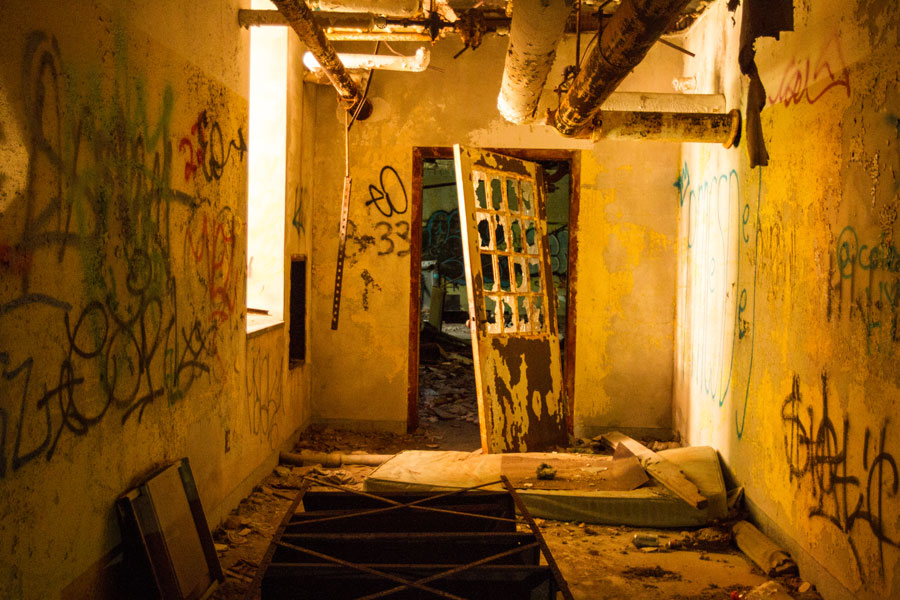
Kings Park Psychiatric Center (KPPC) was a vast psychiatric hospital campus in Kings Park, Long Island. Opened in 1885 and expanded over the following century, the institution grew from a small rural asylum model into one of New York’s largest mental health campuses, with more than 150 buildings spread across hundreds of acres.
Over time, the site became closely tied to the history of psychiatric care in New York State. It reflected both the ambitions and the failures of institutional mental health treatment, from farm-based labor and self-sufficient operations to later medical therapies that are now often viewed through a more critical historical lens. The center closed in 1996, but the former grounds and surviving structures still hold a powerful place in Long Island history.
Establishment and Early Years (1885–1900)
The institution was created to ease overcrowding in urban psychiatric facilities serving Brooklyn and other parts of New York City. Its early development followed the then-popular idea of a rural “farm colony,” where patients lived in a more open setting and often worked in agriculture, maintenance, or other daily operations as part of their treatment and routine.
What began as a modest campus quickly expanded as demand for public mental health care grew. New buildings were added in stages, and the hospital developed into a large, largely self-contained community.
Expansion and Peak Years (1900–1950)
During the first half of the 20th century, Kings Park expanded dramatically. Dormitories, medical wards, administrative buildings, service buildings, and support infrastructure transformed the property into a major institutional complex. At its height, the campus housed thousands of patients and was considered one of the largest psychiatric hospitals in the region.
The hospital operated much like a small city, with its own power generation, food production, workshops, and service systems. Like many psychiatric institutions of its era, it used treatment approaches that ranged from occupational therapy and structured labor to medical interventions that later became controversial or fell out of favor.
Decline and Closure (1950–1996)
After the 1950s, changing psychiatric practices, the introduction of new medications, and the broader move toward deinstitutionalization steadily reduced the need for large long-term hospital populations. As patient numbers dropped, parts of the Kings Park campus became underused, and maintenance of such a large property grew more difficult.
By the final decades of operation, many sections of the hospital were no longer active. The New York State Office of Mental Health closed Kings Park Psychiatric Center in 1996, and remaining patients were transferred to other facilities, including Pilgrim Psychiatric Center.
Current Status and Preservation Efforts
Since the closure, portions of the former campus have been incorporated into Nissequogue River State Park, while other former hospital areas have remained restricted, deteriorated, or subject to changing management, environmental review, and demolition or preservation discussions. For many visitors today, the site is best understood as a historic landscape rather than an open abandoned complex.
The park preserves roads, open space, and scenic areas connected to the former institution, including views toward the Nissequogue River and Long Island Sound. Conditions on the former hospital grounds can change, so visitors should expect fenced areas, limited access near remaining structures, and rules that may vary by season or by state park operations.
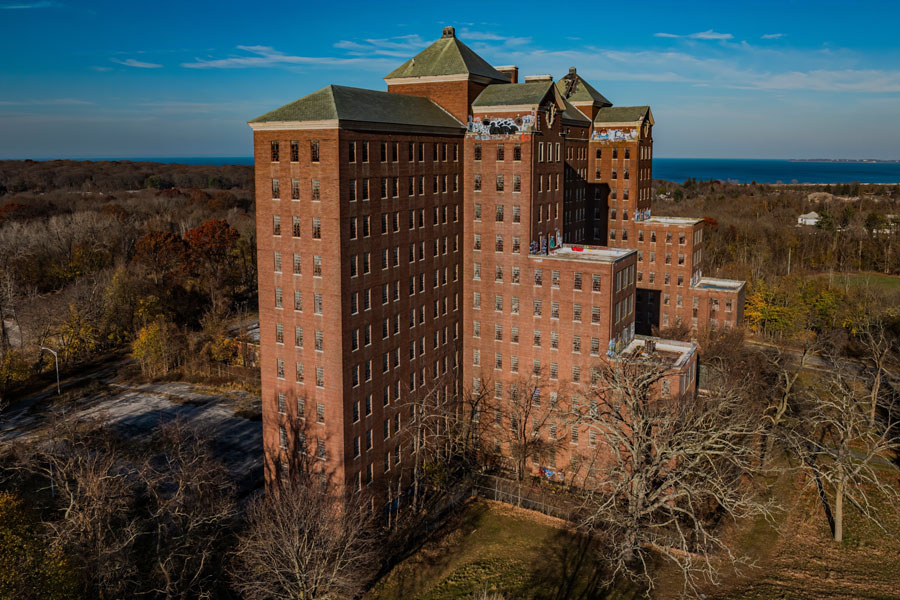
The 13-Story Building 93
For years, Building 93 was the most recognizable remnant of the Kings Park campus. The 13-story structure became an enduring symbol of the site’s scale and decline, frequently photographed from lawful public vantage points and often mentioned in discussions of preservation, decay, and Long Island folklore. What remains visible or accessible from public areas may change over time, and visitors should not assume any former hospital building is open or safe to enter.
The Underground Tunnels
Like many large institutional campuses, Kings Park once had an underground tunnel network linking key buildings and service areas. These tunnels helped move supplies, utilities, and laundry while supporting the campus’s self-contained design. Most are associated today with local legend, and any remaining access points should be assumed to be sealed, unsafe, or restricted.
The Power Plant
The former power plant illustrates how the campus once functioned as its own industrial and service hub. Along with other utility buildings, it represented the hospital’s ability to generate heat, electricity, and operational support on site. Surviving industrial structures are part of the property’s historic character, but they are not casual visitor attractions.
Paranormal Reputation and Local Legends
The former hospital has long been part of Long Island folklore, and stories about paranormal activity have circulated for years. While such accounts are unverified, they remain a major reason the site is discussed in local history circles, photography communities, and paranormal media.
Reports commonly described by storytellers and paranormal enthusiasts include:
- Apparitions or figures reportedly seen in or around abandoned buildings.
- Unexplained voices, echoes, or noises associated with empty corridors and service areas.
- Shadowy movement in windows or along upper floors of former hospital structures.
- Sudden cold spots or unusual sensations described by investigators and visitors.
- Stories of objects shifting or sounds occurring without an obvious source.
These legends are part of the site’s public image, but they should not overshadow the very real human history of the patients, families, and staff connected to Kings Park.
Visitor Access and Restrictions
The former hospital buildings and other restricted portions of the Kings Park Psychiatric Center property are not open for interior exploration. Trespassing laws may be enforced, and the hazards are serious: unstable floors, falling debris, hidden openings, sharp metal, and other dangerous conditions are common in long-abandoned structures.
Visitors who want to experience the area should do so through the public portions of Nissequogue River State Park, where roads, trails, open fields, and scenic waterfront views provide context for the former campus. Park hours, parking, and access details may change, so check ahead before visiting and stay on marked public routes.
Legacy and Cultural Impact
Kings Park Psychiatric Center remains an important place in the history of mental health care on Long Island and in New York State. Its story reflects changing attitudes toward treatment, institutional life, public health policy, and the preservation of difficult historic sites.
The former campus has also appeared in documentaries, photography projects, paranormal programming, and local history discussions, helping cement its status as one of Long Island’s most widely recognized abandoned institutional landscapes.
Although the hospital has been closed for decades, its history, architecture, and place in regional memory continue to draw interest from historians, former employees and families, photographers, and visitors exploring the surrounding parkland.
Kings Park Psychiatric Center
Key Facts & Details
| Site | Kings Park Psychiatric Center |
|---|---|
| Abbreviation | KPPC |
| Location | Kings Park, Long Island, New York |
| Opened | 1885 |
| Closed | 1996 |
| Original Purpose | Public psychiatric hospital and rural farm-colony-style treatment campus |
| Peak Scale | More than 150 buildings spread across hundreds of acres |
| Notable Structure | Building 93, the former 13-story hospital building |
| Current Public Access | Public access is primarily through portions of Nissequogue River State Park |
| Nearby Natural Features | Nissequogue River and Long Island Sound |
| Known For | Mental health history, abandoned institutional architecture, Building 93, local legends, and preservation debates |
| Visitor Warning | Former hospital buildings are restricted and should not be entered |
Editor’s note: The former Kings Park Psychiatric Center buildings are not a public attraction. Visit only lawful public areas, follow posted rules, and never enter abandoned structures.
Are you ready for fall on Long Island? Check out these local seasonal guides:
🍎 Apple Picking 🍓 Strawberry Picking 🎃 Pumpkin Picking 👻 Haunted Houses 🍂 Farm Festivals