
Long Island Game Farm Wildlife Park & Children’s Zoo in Manorville
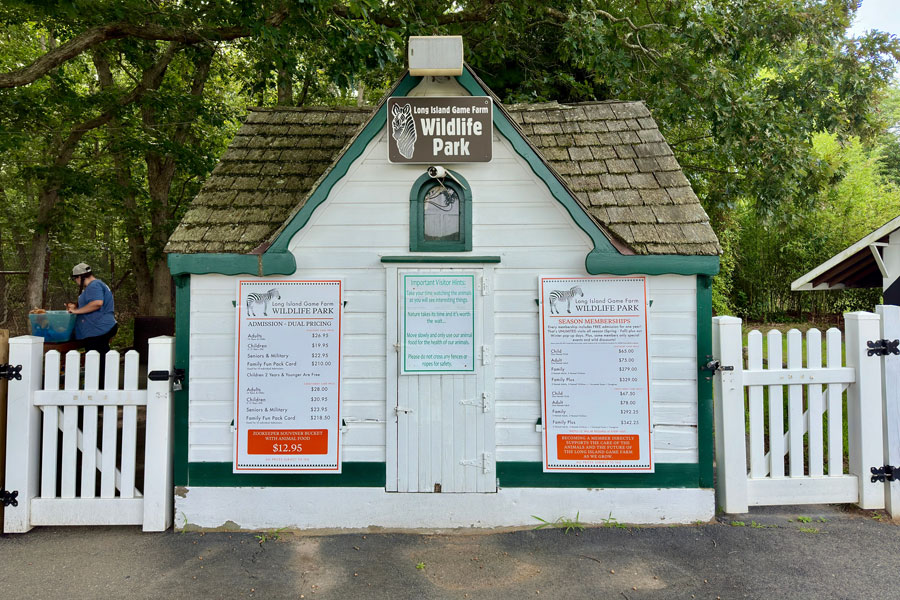
Located at 489 Chapman Boulevard in Manorville, New York, the Long Island Game Farm Wildlife Park & Children’s Zoo is one of Long Island’s best-known family animal attractions. The approximately 26-acre property combines a children’s zoo, wildlife park, and educational destination with a wide mix of animals and hands-on experiences. Visitors come for animal exhibits, feeding opportunities, seasonal programs, and specialty encounters, with many residents described by the park as rescued, rehabilitated, or responsibly re-homed. Because hours, animal availability, and encounter offerings can change with the season, weather, and staffing, it is best to check current details before visiting.
History and Timeline
- 1958 inspiration – A 1958 Saturday Evening Post cover by Norman Rockwell depicting a children’s zoo inspired Stanley Novak and his wife Diane to imagine a similar place on Long Island.
- 1969 – The Novaks purchased a 26-acre hay and cattle farm property in Manorville and began building family-oriented attractions and animal areas, including Bambiland, Storyland, and Old MacDonald’s Farm.
- Spring 1970 – The Long Island Game Farm opened and is often described as the first zoo on Long Island, with about 125 animals. Early residents included buffalo, camels, chimpanzees, deer, goats, lambs, and exotic birds.
- 1970s – Additional themed areas, live-animal presentations, and family attractions were added over time, including Llamaland, a sea-lion show, a merry-go-round, and the Animal Wonderland Theater.
- 1980s–1990s – The grounds expanded with more attractions, including a train that once circled the property, show spaces, and family activity areas.
- 1999–2001 – After founder Stanley Novak’s death in 1999, Diane Novak and daughter Susan continued the family operation. After Susan’s passing in 2001, Melinda Novak returned to run the park full-time, with a greater emphasis on animals, nature, and education.
- Recent years – The Game Farm has continued to refresh exhibits, accessibility features, and programming. Its Foundation for Wildlife Sustainability supports educational, environmental, and community-focused initiatives, and grant-funded improvements have included work on trails and amphitheater areas.
Animals & Exhibits
Current residents and encounter animals can change over time, but the Game Farm is known for a mix of domestic favorites and exotic species. Visitors often see:
- Capybaras – A popular highlight at the park, often featured in special encounters and other interactive programs.
- Wallabies and kangaroos – Marsupials frequently included in educational talks and select guest experiences.
- Camels – Long a signature part of the park’s animal collection and a memorable stop for families.
- Alpacas, llamas, and miniature donkeys – Friendly hoofed animals that fit the park’s farm-meets-zoo character.
- American bison – Large North American grazers that add a classic wildlife-park feel to the grounds.
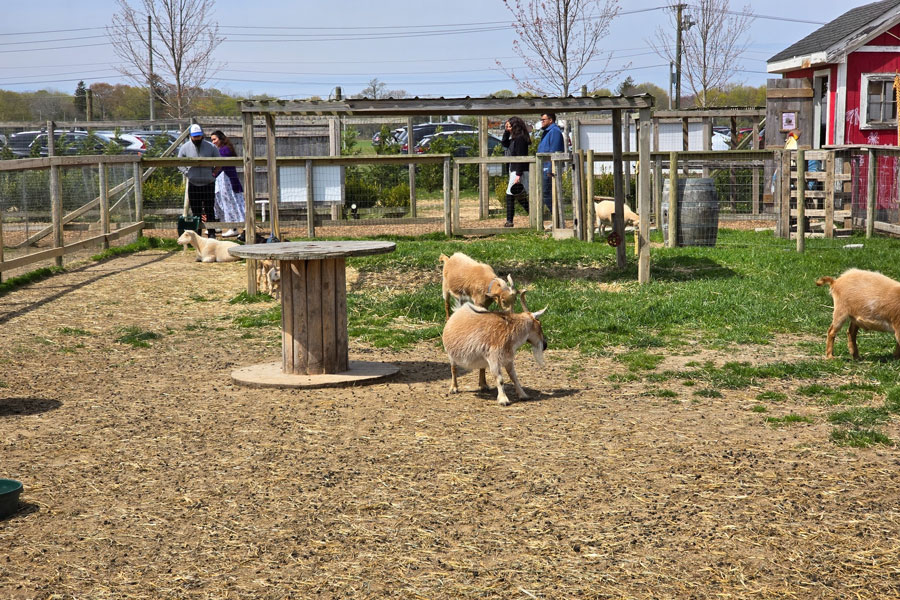
- Tortoises, emus, lemurs, foxes, birds, and barnyard animals – Depending on the season and exhibit rotation, additional residents may include goats, sheep, peacocks, reptiles, and other familiar Game Farm favorites.
Experiences and Programs
Interactive programming is a big part of the appeal here. Many add-on experiences are offered for an extra fee and may require advance reservations, waivers, age minimums, or separate admission.
- Animal encounters – Special sessions may feature capybaras, wallabies, ponies, or other animals, depending on the season and staff schedule.
- VIP tours – Private or small-group experiences can provide behind-the-scenes access and a more in-depth introduction to the animals and their care.
- Zookeeper chats and feedings – Staff-led presentations help visitors learn about behavior, habitat, enrichment, and conservation in a family-friendly format.
- Pony rides and pony programs – Offered on select days for younger visitors, typically with separate rules and height or weight guidelines.
- Capybara Yoga and specialty events – The park has become known for creative add-on programs that combine animal interaction with wellness or seasonal themes.
- Camp Zoo, school visits, and educational programs – Seasonal camps and group offerings introduce children to wildlife, animal care, and nature-based learning.
Newer Features and Ongoing Improvements
- Woodland Trail – A newer paved nature walk gives guests a quieter place to stroll and is designed to be friendlier for wheelchairs and strollers than some of the older rustic paths.
- Amphitheater and accessibility upgrades – Recent planning and grant-supported work has focused on improving show spaces, seating areas, and easier access around portions of the grounds.
- Foundation for Wildlife Sustainability – The park’s nonprofit arm supports educational, cultural, wellness, and fundraising events tied to animal care and conservation outreach.
Seasonal Schedule & Special Events
The Game Farm’s operating calendar changes during the year. Summer typically brings the broadest public schedule, while winter and shoulder seasons may have reduced days, shorter hours, or encounter-only availability. The park also hosts rotating special events, so the exact lineup can vary from season to season.
- Winter – Public access may be limited to select weekends, school-break periods, or pre-booked specialty experiences.
- Spring – Weekend openings often expand around spring break, Easter season, and warmer-weather programming.
- Summer – Usually the busiest season, often with daily or near-daily visiting hours, more animal talks, and the widest selection of encounters and family programs.
- Fall – Hours often remain strong on weekends, with occasional themed days, discounts, and school-year field trip activity.
- Holiday season – December weekends may include festive family programming such as seasonal photo opportunities, crafts, or special character visits.
Visiting Information
- Hours and tickets – Hours vary by season, holidays, and weather. Admission types, encounter pricing, and age policies may change, and some experiences require advance booking. Before heading out, check the official Long Island Game Farm website for the current calendar, rates, waivers, and reservation details.
- Amenities – On-site parking is typically available, along with restrooms, snack options, and a gift or souvenir area. Services may be more limited on slower-season or off-season days.
- Accessibility – Much of the park is manageable for strollers and wheelchairs, especially newer paved sections such as the Woodland Trail, though some older areas may still include gravel, packed dirt, or uneven surfaces.
- Animal-feeding and guest policies – Guests should feed animals only with approved food sold on site and follow all posted safety instructions. Pets are generally not permitted, except for trained service animals. Rules on outside food, coolers, balloons, scooters, and similar items may be updated, so check ahead if you have specific questions.
Tips for Visitors
- Plan ahead – Reserve popular encounters or VIP experiences early if they are part of your visit, especially on weekends and during summer.
- Dress for an outdoor day – Wear comfortable walking shoes and be prepared for sun, wind, or muddy patches depending on the season.
- Build in extra time – Between animal talks, feeding stations, and quieter paths like the Woodland Trail, many families end up staying longer than expected.
- Use good animal-contact hygiene – Supervise children closely, follow staff directions, and wash hands after touching animals or visiting feeding areas.
- Check weather before leaving – Rain, storms, or extreme heat can affect daily operations, encounter availability, and show schedules.
Long Island Game Farm
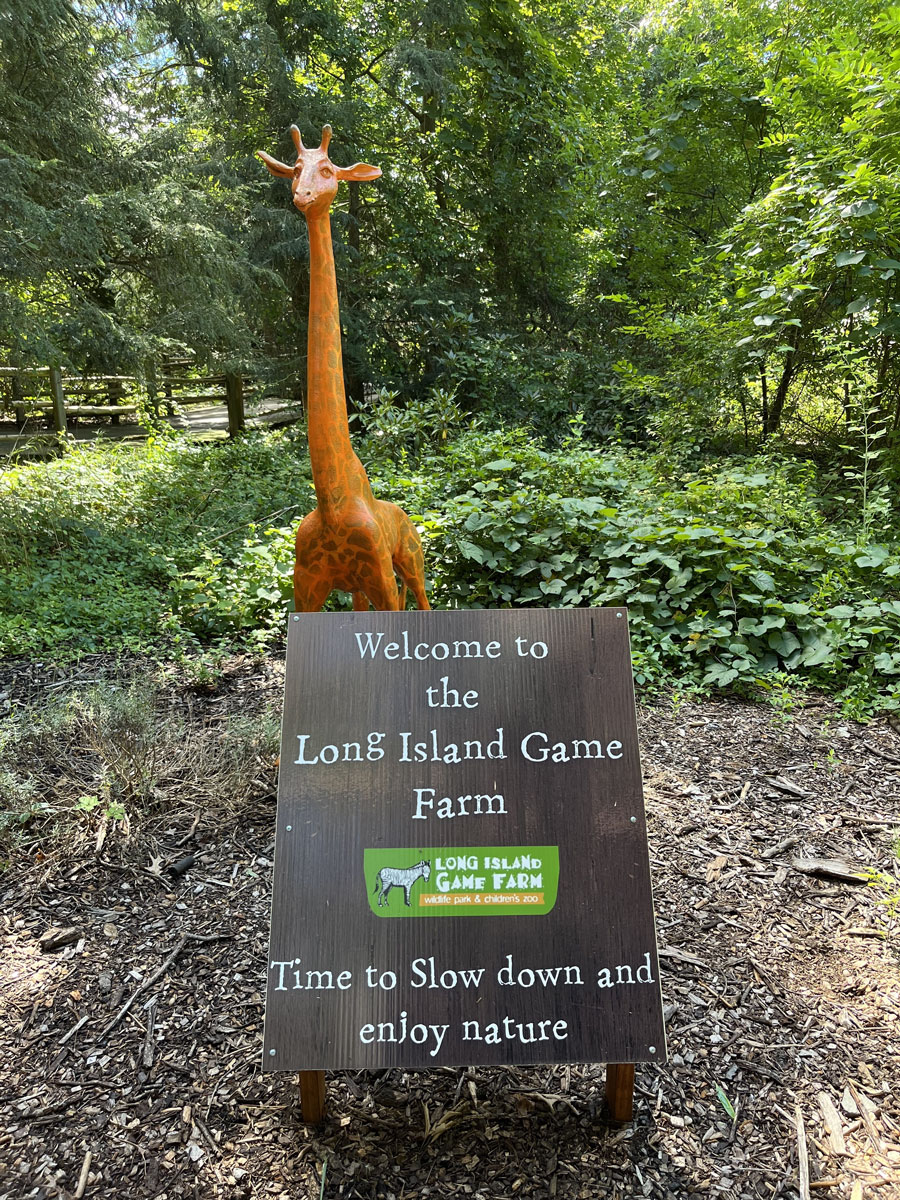
The Long Island Game Farm Wildlife Park & Children’s Zoo has welcomed families since 1970 and remains a distinctive animal attraction for visitors across Long Island. Its blend of zoo animals, barnyard favorites, educational programming, and interactive encounters gives the park a personality that feels different from a larger metropolitan zoo. Whether you are visiting with young children, looking for a memorable animal experience, or simply want a relaxed outdoor stop in the Manorville area, the Game Farm continues to offer a family-friendly way to slow down and enjoy nature.
Are you ready for fall on Long Island? Check out these local seasonal guides:
🍎 Apple Picking | 🍂 Fall Festivals & Farm Activities | 👻 Haunted Houses | 🎃 Pumpkin Picking