
Why is it called Long Island?
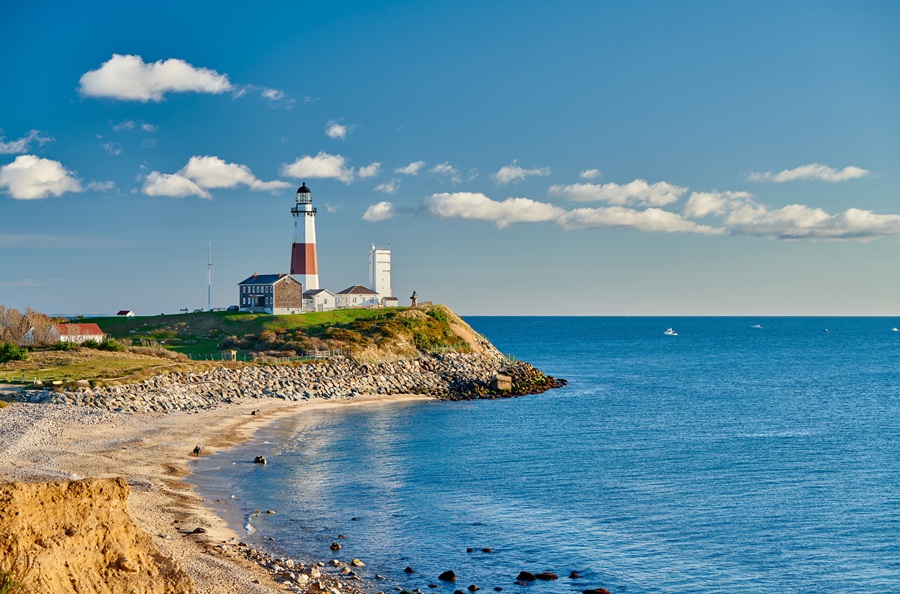
Long Island gets its name from its long, narrow shape. Early European explorers and settlers adopted the descriptive name because the island stretches approximately 118 miles from west to east while averaging only about 20 miles in width. The name has remained in continuous use for centuries and today is recognized around the world as the official geographic name of one of the largest and most populous islands in the United States.
In Short
Long Island is called “Long Island” because of its distinctive shape. Measuring about 118 miles from end to end while remaining relatively narrow, the island’s name is a straightforward geographic description that dates back to the earliest European maps of the region.
Why Is It Called Long Island?
The name “Long Island” is exactly what it sounds like – a description of the island’s geography. Extending approximately 118 miles across southeastern New York State, the island is much longer than it is wide, making “Long Island” a simple and accurate name that has endured for hundreds of years.
Long before European settlement, the island was home to Indigenous peoples, including the Lenape and other Algonquian-speaking communities. Different Native American groups had their own names for various parts of the island rather than a single name for the entire landmass. As Dutch and English explorers arrived during the 17th century, they began referring to the island by names that reflected its elongated shape.
The Dutch, who established the colony of New Netherland, referred to the island as Lange Eylandt, which literally means “Long Island.” When the English gained control of the region in 1664, the English translation became the standard name and has remained unchanged ever since.
Today, Long Island includes Brooklyn, Queens, Nassau County, and Suffolk County. Although many residents use “Long Island” to refer only to Nassau and Suffolk counties, the geographic name has always applied to the entire island.
Quick Facts
| Category | Information |
|---|---|
| Name Origin | The island’s long, narrow shape. |
| Dutch Name | Lange Eylandt (“Long Island”) |
| English Adoption | Following English control of New Netherland in 1664. |
| Length | Approximately 118 miles (190 km) |
| Average Width | About 20 miles (32 km) |
| Located In | New York State |
| Includes | Brooklyn, Queens, Nassau County, and Suffolk County |
For more than 350 years, the name Long Island has remained one of the simplest and most descriptive place names in the United States. While the island has evolved from Native American homelands to Dutch and English settlements and eventually into one of the nation’s most populated regions, its name has endured because it accurately describes the geography of this remarkable island in New York State.
Are you ready for fall on Long Island? Check out these local seasonal guides:
🍎 Apple Picking 🍓 Strawberry Picking 🎃 Pumpkin Picking 👻 Haunted Houses 🍂 Farm Festivals