
What is the Pine Barrens?
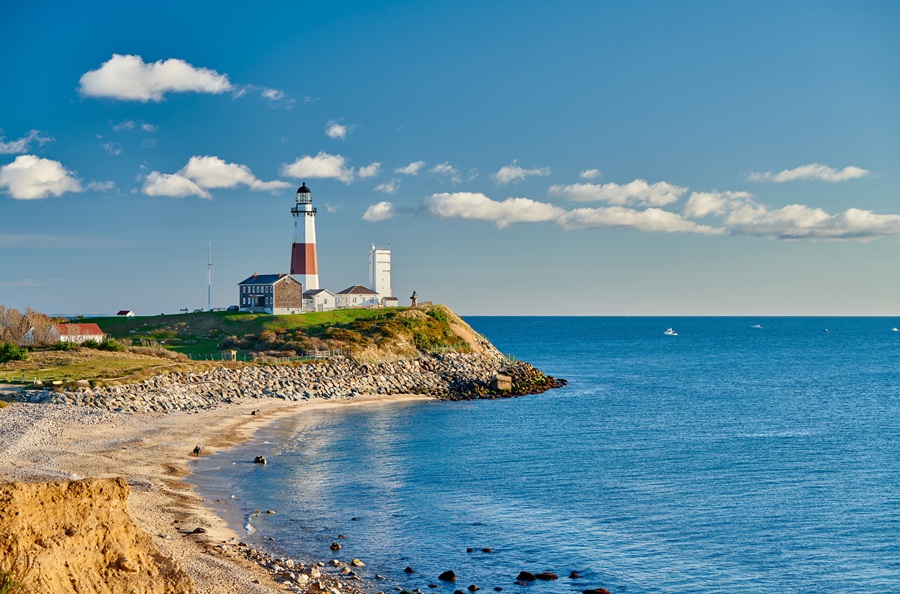
The Long Island Pine Barrens is a vast protected woodland in central and eastern Suffolk County that covers more than 100,000 acres of forests, wetlands, rivers, and rare ecosystems. Often referred to simply as the Pine Barrens, the region is one of Long Island’s most important natural resources, protecting the island’s groundwater while providing opportunities for hiking, camping, birdwatching, fishing, paddling, and wildlife observation.
In Short
The Long Island Pine Barrens is a protected forest and ecological preserve in Suffolk County. It is known for its pine forests, rare plants and animals, scenic rivers, hiking trails, and its critical role in protecting Long Island’s underground drinking water.
What Is the Pine Barrens?
The Long Island Pine Barrens is one of the largest remaining natural areas on Long Island. Located primarily in central and eastern Suffolk County, the preserve contains extensive pine forests, oak woodlands, wetlands, streams, and unique habitats found nowhere else on the island.
The Pine Barrens serves an important environmental purpose by protecting the underground aquifer that supplies drinking water to millions of Long Island residents. The region’s sandy soils naturally filter rainwater as it seeps into the groundwater system, making the preservation of the Pine Barrens essential to the island’s long-term water quality.
Visitors can explore miles of hiking trails, unpaved roads, and nature preserves throughout the Pine Barrens. The area is also home to scenic rivers, diverse wildlife, and numerous recreational opportunities, including birdwatching, canoeing, kayaking, fishing, horseback riding, and seasonal hunting in designated areas.
Because of its unique ecology, the Pine Barrens supports many rare and protected plant and animal species that thrive in its dry, sandy environment. Conservation efforts continue to protect this remarkable landscape while allowing residents and visitors to enjoy one of the largest undeveloped regions remaining on Long Island.
Quick Facts
| Category | Information |
|---|---|
| Location | Central and eastern Suffolk County |
| Size | More than 100,000 acres |
| Known For | Pine forests, wetlands, rare wildlife, scenic rivers, and groundwater protection |
| Popular Activities | Hiking, birdwatching, kayaking, canoeing, fishing, camping, horseback riding, and nature photography |
| Environmental Importance | Protects Long Island’s underground aquifer and drinking water supply |
| County | Suffolk County |
| State | New York State |
The Long Island Pine Barrens is far more than a forest. It is one of the island’s most valuable natural treasures, preserving wildlife habitat, safeguarding the region’s drinking water, and offering countless opportunities to experience the natural beauty of Long Island. Its protected woodlands remain an essential part of the island’s environment and a favorite destination for outdoor enthusiasts throughout New York State.
Are you ready for fall on Long Island? Check out these local seasonal guides:
🍎 Apple Picking 🍓 Strawberry Picking 🎃 Pumpkin Picking 👻 Haunted Houses 🍂 Farm Festivals