
When is the best time to visit?
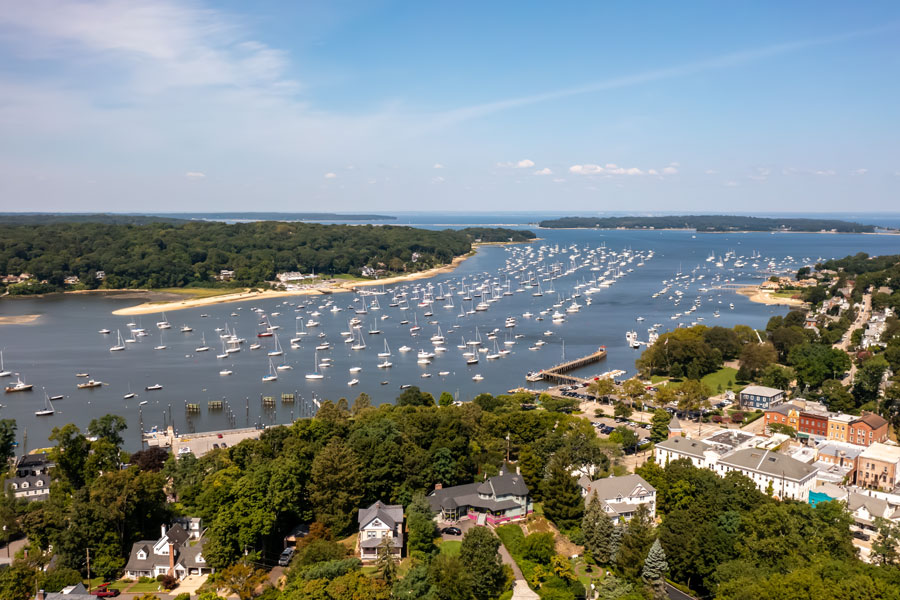
The best time to visit Long Island depends on the experience you’re looking for, but many visitors prefer late spring through early fall when the weather is warm, outdoor attractions are in full swing, and beaches, parks, vineyards, and waterfront communities are at their most vibrant.
In Short
Most travelers consider May through October the ideal time to visit Long Island. Summer offers the warmest weather and busiest beaches, while spring and fall provide comfortable temperatures, colorful scenery, fewer crowds, and excellent opportunities for sightseeing, hiking, and outdoor recreation.
When Is the Best Time to Visit Long Island?
Each season offers something different on Long Island. Spring brings blooming gardens, mild temperatures, and the reopening of many seasonal attractions. Summer is peak tourism season, with visitors enjoying beaches, boating, outdoor concerts, festivals, wineries, and waterfront dining throughout the island.
Autumn is another favorite time to visit thanks to comfortable weather, colorful foliage, pumpkin farms, wineries, apple picking, and harvest festivals. The North Fork and The Hamptons often become less crowded after Labor Day while remaining beautiful destinations to explore.
Winter offers a quieter side of Long Island, with holiday celebrations, museums, restaurants, shopping, indoor attractions, and fewer visitors. Although beach activities are limited, many communities continue to host seasonal events and festivals throughout the colder months.
If your primary goal is spending time at the beach, July and August generally provide the warmest ocean temperatures. If you prefer fewer crowds and more comfortable sightseeing weather, late spring and early fall are often excellent choices.
Quick Facts
| Season | Highlights |
|---|---|
| Spring (March–May) | Blooming gardens, mild weather, hiking, parks, and fewer crowds. |
| Summer (June–August) | Beaches, boating, festivals, concerts, outdoor dining, and warm ocean temperatures. |
| Fall (September–November) | Comfortable weather, fall foliage, wineries, pumpkin farms, apple picking, and harvest festivals. |
| Winter (December–February) | Holiday events, museums, restaurants, shopping, and quieter attractions. |
| Best Overall | Late spring through early fall offers the widest variety of activities and pleasant weather. |
Whether you’re planning a beach vacation, wine tasting on the North Fork, exploring the villages of The Hamptons, or simply enjoying Long Island’s parks, restaurants, and waterfront communities, every season offers its own unique experiences. Choosing the best time to visit depends on the activities and atmosphere you’re hoping to enjoy.
Are you ready for fall on Long Island? Check out these local seasonal guides:
🍎 Apple Picking 🍓 Strawberry Picking 🎃 Pumpkin Picking 👻 Haunted Houses 🍂 Farm Festivals