

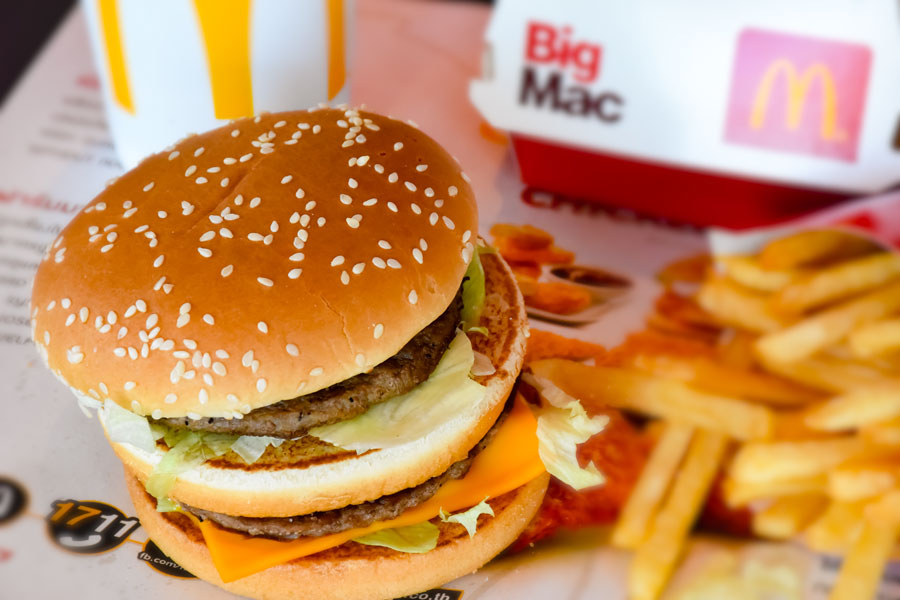
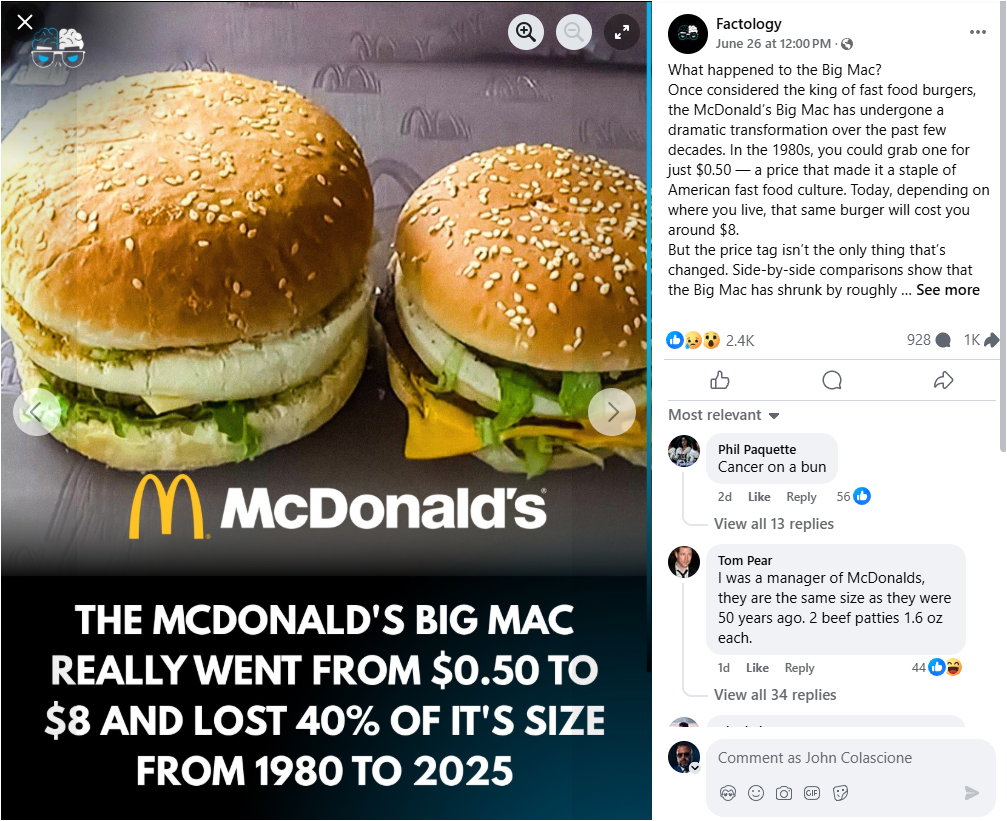
LONG ISLAND, NY – A viral social media post recently stirred debate by suggesting that McDonald’s famous Big Mac has shrunk by 40% in size while its price has ballooned from $0.50 in the 1980s to $8 today. The post claims that not only has the size of the burger declined, but its flavor and value have too – all while inflation and “shrinkflation” reshape the fast food landscape.
But how much of this is true? We decided to dig into the facts.
What’s True
Big Mac Prices Have Soared
It’s true that the cost of a Big Mac has increased significantly over time. In the early 1980s, the sandwich typically sold for between $0.75 and $1.60 depending on region and promotions. Today, in many major cities, the Big Mac is priced between $5.99 and $7.99 – and even more at some airport or tourist-heavy locations.
According to the Big Mac Index maintained by The Economist, the U.S. average in 2024 was around $5.69, though prices vary based on location, taxes, and franchise pricing.
Shrinkflation Is Real
Shrinkflation – the practice of reducing product size or quantity while keeping prices the same or higher – is widely documented in the food and grocery industries. McDonald’s has not officially confirmed any specific shrinkage to the Big Mac, but over the years, customers have noticed thinner patties, smaller buns, and reduced toppings in some markets.
These changes often happen gradually and subtly, making them hard to confirm without side-by-side measurements over time — but consumer perception is clear: many believe they’re getting less for more.
The Big Mac Index Exists
This isn’t just about burgers — it’s also about economics. Since 1986, The Economist has used the Big Mac Index to compare currency values across the world. It’s a playful yet insightful way to gauge purchasing power parity (PPP) by comparing the price of a Big Mac in various countries.
What’s Exaggerated or Lacks Evidence
The “40% Smaller” Claim
While there is evidence the Big Mac has gotten slightly smaller, there is no verified data or official admission from McDonald’s confirming a 40% reduction in size. Viral images and TikTok comparisons often rely on flawed setups or foreign-market versions, which may differ from the U.S. standard. Some changes over the decades may be due to shifts in food sourcing, cost controls, or attempts to meet health trends.
The 50-Cent Price in the 1980s
While you might have found a 50¢ Big Mac during rare promotions or in low-cost regions, most U.S. locations charged closer to $1.00 or more by the early-to-mid 1980s. For reference, McDonald’s advertising archives show that in 1986, a Big Mac was approximately $1.60.
Why the Big Mac Changed
Several economic and operational factors have contributed to the Big Mac’s transformation:
- Inflation and Labor Costs: Rising wages, ingredient costs, and transportation expenses have driven up prices across the industry.
- Franchise-Level Pricing: Individual McDonald’s locations – which are often franchises – set their own pricing, contributing to regional variation.
- Changing Consumer Preferences: As diners became more health-conscious, McDonald’s adjusted portions and recipes to meet evolving expectations.
- Supply Chain Globalization: Global sourcing of ingredients has introduced variability in food sizes, quality, and availability across regions.
Is the Big Mac Still “Big”?
The modern Big Mac may not feel as “big” as it once did — and its price tag certainly isn’t small. While the 40% shrinkage claim is likely exaggerated, the perception that customers are getting less food for more money is not unfounded. Like much of the fast food industry, McDonald’s has had to evolve to navigate costs, regulations, and consumer trends.
Yet despite all the changes, the Big Mac remains a nostalgic icon — one bite still bringing back memories of simpler (and cheaper) times.
Uniontown, Pennsylvania
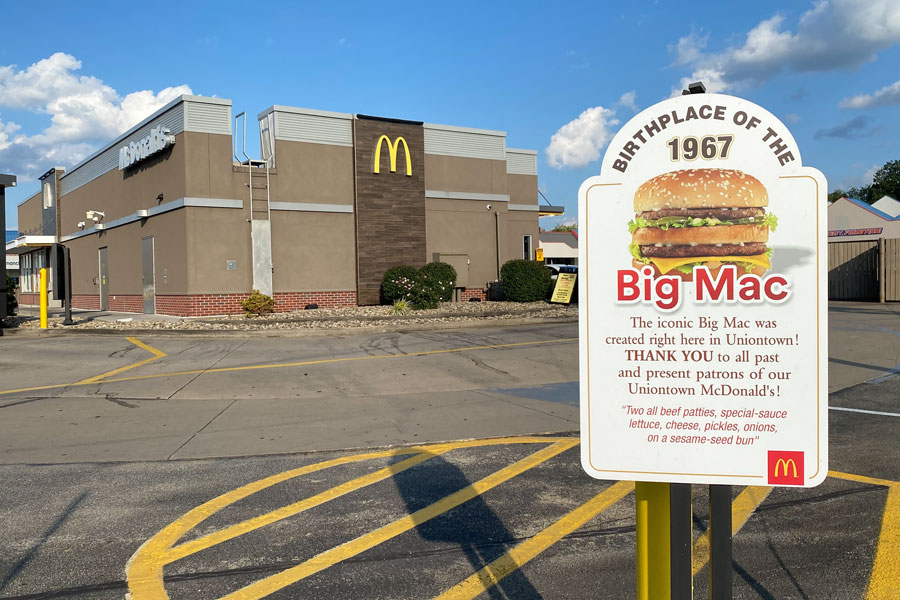
Jim Delligatti, a McDonald’s franchisee in western Pennsylvania, created the Big Mac at his Uniontown location in 1967. Delligatti wanted to offer a larger burger to compete with other fast-food chains that were serving more substantial sandwiches. He came up with the now-famous two-patty, three-bun-layered burger topped with lettuce, cheese, pickles, onions, and “special sauce.”
After proving wildly successful in Uniontown and other test markets, the Big Mac was added to the national McDonald’s menu in 1968.
Uniontown is now home to a Big Mac Museum, which features memorabilia and a giant replica of the burger – celebrating its place in fast food history.
Key Facts and Details
| Category | Details |
|---|---|
| Creator | McDonald’s franchisee Jim Delligatti |
| Place of Origin | Uniontown, Pennsylvania |
| First Introduced | 1967 at Delligatti’s Uniontown restaurant |
| National Introduction | 1968 at participating McDonald’s restaurants nationwide |
| Original Price | Approximately 45 cents when introduced in 1967 |
| 1986 U.S. Price | Approximately $1.60 when the Big Mac Index began |
| 2024 U.S. Average | Approximately $5.69 according to the January 2024 Big Mac Index |
| Current Pricing | Varies by restaurant, market, franchise pricing, promotions, and delivery method |
| Classic Ingredients | Two beef patties, Big Mac sauce, lettuce, cheese, pickles, and onions on a three-part sesame seed bun |
| Current Nutrition | 580 calories and 25 grams of protein, according to McDonald’s published nutrition information |
| Claimed Size Reduction | No reliable evidence confirms the viral claim that the U.S. Big Mac has become 40% smaller |
| $8 Price Claim | Possible at certain high-priced locations, but not representative of a standard nationwide price |
| Big Mac Index | Introduced by The Economist in 1986 as an informal comparison of international currency purchasing power |
| Overall Verdict | The price has risen substantially, but the widely shared 40% shrinkage claim remains unverified |
The evidence supports the broader conclusion that the Big Mac has become considerably more expensive since its 1967 introduction, with the exact price now varying widely among McDonald’s locations. What the available records do not establish is that the American Big Mac has physically shrunk by 40%. The viral post therefore combines a genuine story about decades of rising fast-food prices with a dramatic size claim that has not been supported by reliable measurements or an official confirmation from McDonald’s.
Are you ready for fall on Long Island? Check out these local seasonal guides:
🍎 Apple Picking 🍓 Strawberry Picking 🎃 Pumpkin Picking 👻 Haunted Houses 🍂 Farm Festivals