
Long Island Rail Road (LIRR)
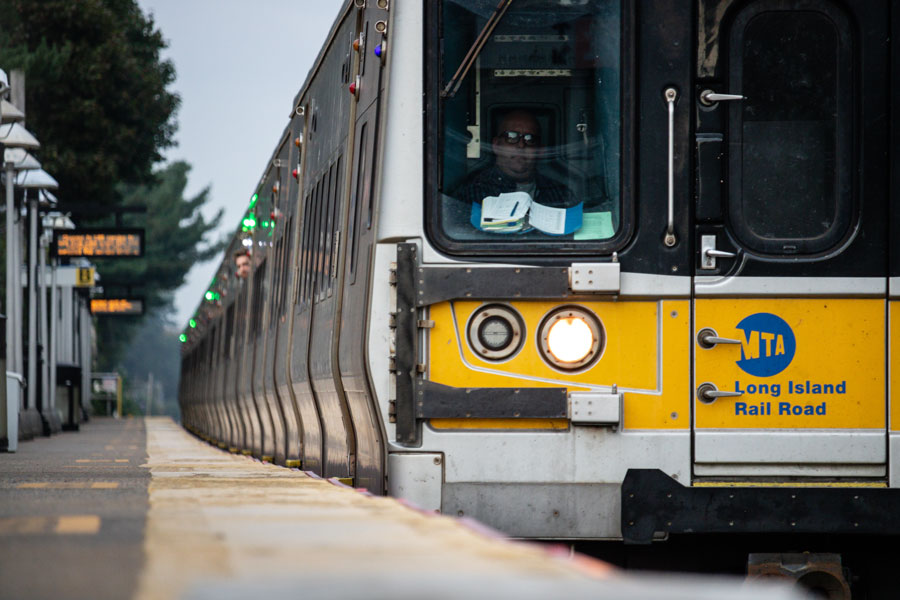
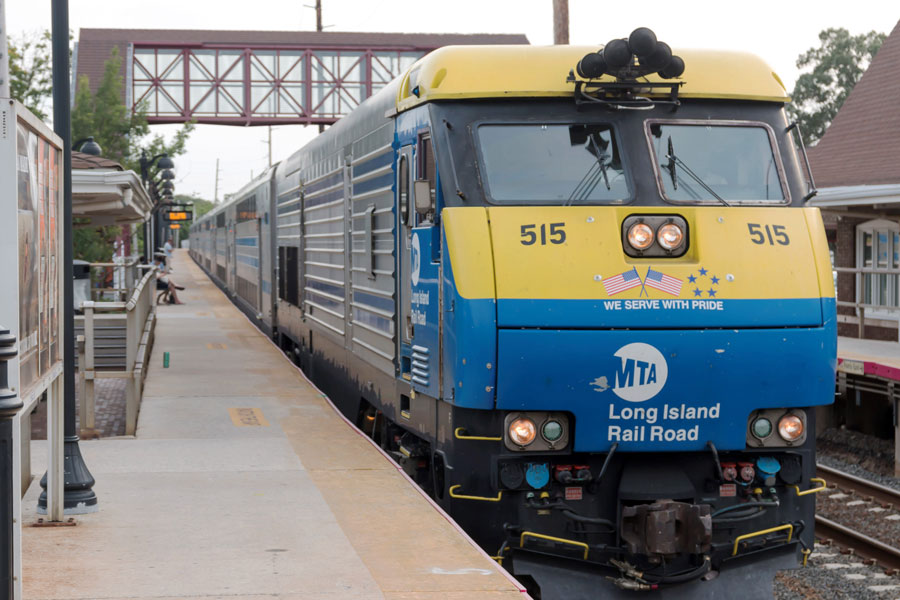
The Long Island Rail Road (LIRR) is the oldest railroad in the United States still operating under its original name and one of North America’s busiest commuter rail systems. Owned and operated by the Metropolitan Transportation Authority (MTA), the LIRR links Long Island’s towns and suburbs with New York City and remains central to daily commuting, regional travel, tourism, and the Island’s economy.
For visitors, the LIRR is often the easiest way to reach beaches, downtown districts, sports and entertainment venues, and gateway communities across Nassau and Suffolk. Service patterns, fares, and track assignments can change, so it is always smart to check schedules before traveling.
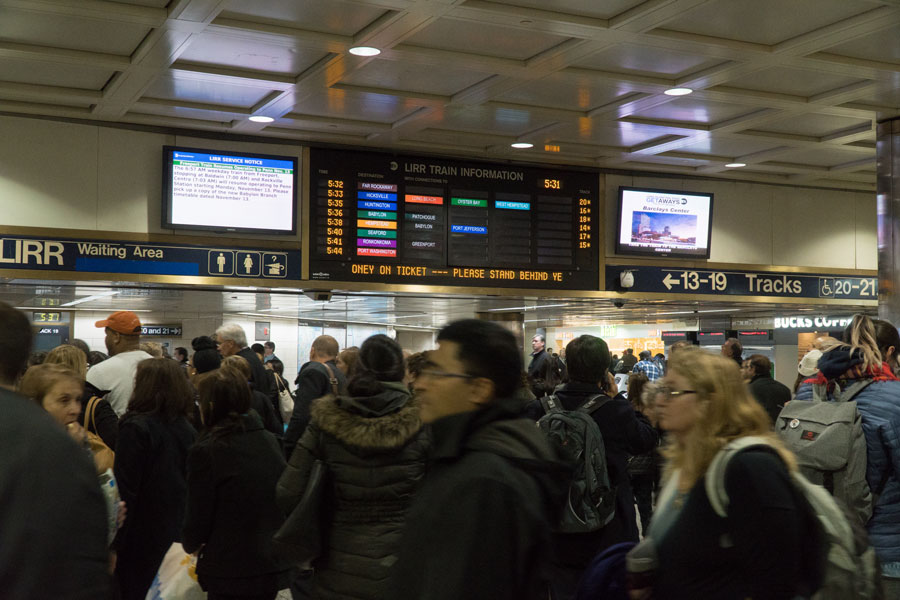
Overview and Reach
- Network Size: More than 700 miles of track across the system
- Stations: 100+ stations across Long Island, Brooklyn, Queens, and Manhattan
- Ridership: Among the busiest commuter rail systems in the U.S.; totals vary by weekday, season, and service conditions
- Service Area: From Penn Station and Grand Central Madison in Manhattan to Montauk, Greenport, and communities throughout Long Island
The LIRR is commonly described as having 11 branches, serving much of Nassau County and Suffolk County, with important connections to NYC subways, local bus systems, Amtrak, and airport links through Jamaica Station.
Major Terminals and Hubs
- Penn Station (Manhattan): Historic primary Manhattan terminal on the West Side
- Grand Central Madison (Manhattan): East Midtown terminal beneath Grand Central Terminal
- Atlantic Terminal (Brooklyn): Important Brooklyn gateway with direct subway connections
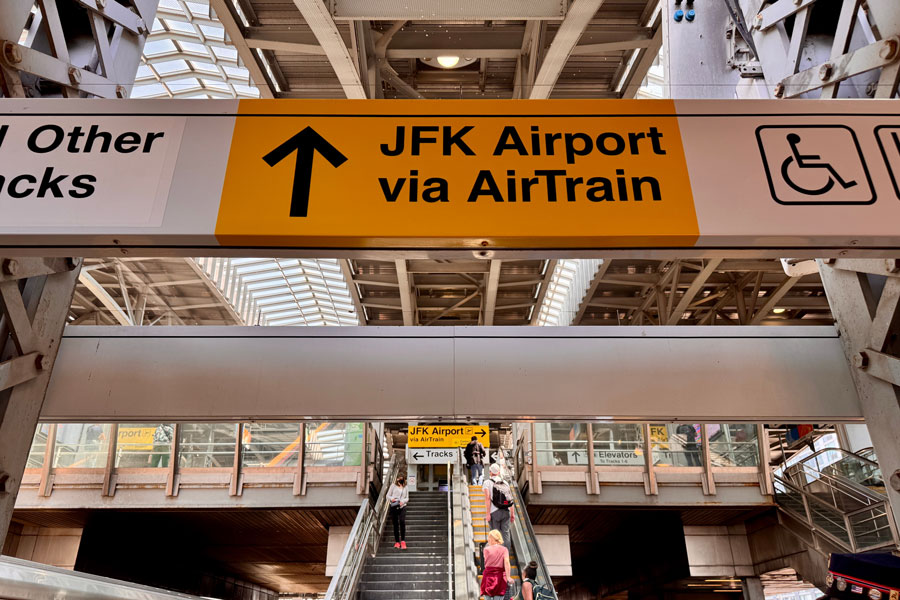
- Jamaica Station (Queens): The LIRR’s main transfer hub and a key connection point for AirTrain JFK
- Ronkonkoma, Hicksville, Babylon, and Mineola: Major Long Island stations used for transfers, park-and-ride access, and branch connections
Branches and Stations
Frequency and Schedule
- Weekday peak periods: Core branches often see the most frequent service
- Off-peak and weekends: Trains generally run less often, with frequencies varying by branch and destination
- Late-night service: Available on many routes, though service details may be more limited overnight
Schedules are available in the MTA TrainTime app, on station displays, and online at new.mta.info. Track assignments and service changes can happen on short notice, so checking ahead is recommended.
Tickets & Fare Options
- TrainTime App: Buy, store, and activate tickets digitally
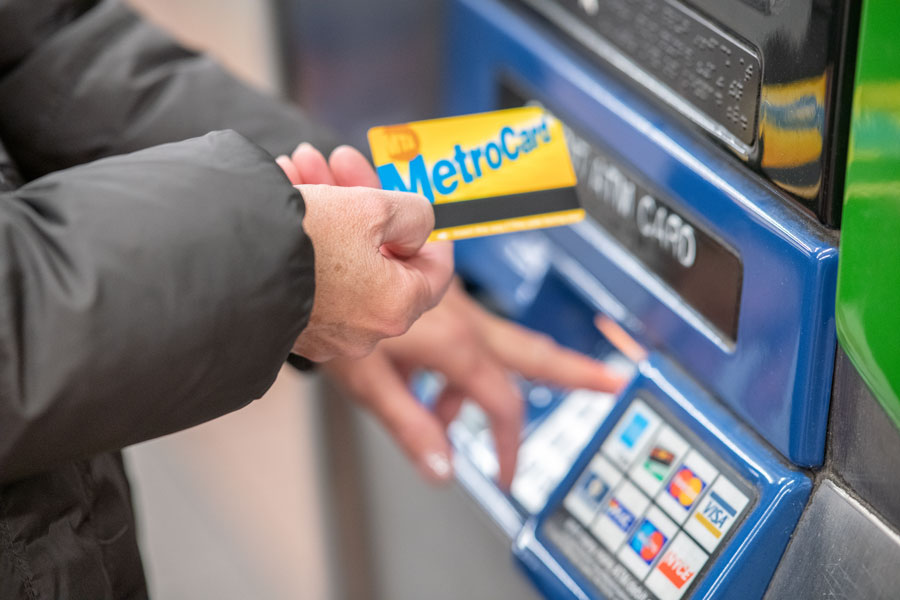
- Ticket Machines: Available at many stations
- Onboard Purchase: Usually available, but rules, payment methods, and extra charges may apply if you board without a valid ticket
- Fare Types:
- Peak and Off-Peak fares on many trips
- One-Way, Round-Trip, Weekly, and Monthly options, subject to current fare policy
- Reduced Fare for eligible seniors, riders with disabilities, and Medicare recipients
- CityTicket / promotional city fare products: discount programs for certain trips within New York City may be available depending on current MTA policy
- Atlantic Ticket and other special programs: service-area-specific discounts may be offered or adjusted over time
Visitor tip: Before traveling, check current fares and ticket rules in the TrainTime app or on the official MTA website. Fare programs and accepted payment options can change.
Accessibility & Features
- ADA Accessibility: An increasing number of stations include elevators, ramps, tactile warning strips, and other accessibility upgrades
- Train Amenities: Features such as charging ports and updated interiors are available on some newer equipment
- Quiet Cars: Available on select peak-direction trains when designated by the railroad
- Bicycles: Permitted on many trains during non-peak periods, subject to space, safety, and current LIRR rules
Grand Central Madison: A Major New Link
Grand Central Madison, which opened in 2023, added a major new LIRR terminal beneath Grand Central Terminal and expanded direct access to Manhattan’s East Side. For many riders, it has:
- Provided another Manhattan arrival option beyond Penn Station
- Improved access to East Midtown offices, attractions, and hotels
- Expanded direct ride choices from parts of Queens, Nassau, and Suffolk
Popular Destinations via LIRR
- Beaches: Long Beach, Jones Beach (typically via bus connection from Freeport), and Fire Island gateways such as Patchogue
- Events and Venues: Belmont Park, UBS Arena via Elmont-UBS Arena, Citi Field, and Arthur Ashe Stadium
- Hamptons & Montauk: The Montauk Branch offers one of the region’s classic summer rail journeys, though service levels vary seasonally
- Downtowns & Villages: Port Jefferson, Huntington, Patchogue, Rockville Centre, and Babylon
Service Alerts and Real-Time Tracking
Stay updated through:
- MTA TrainTime app for schedules, train status, and trip tools
- Official LIRR service alerts: MTA Long Island Rail Road
- Station displays and announcements for track changes and boarding information
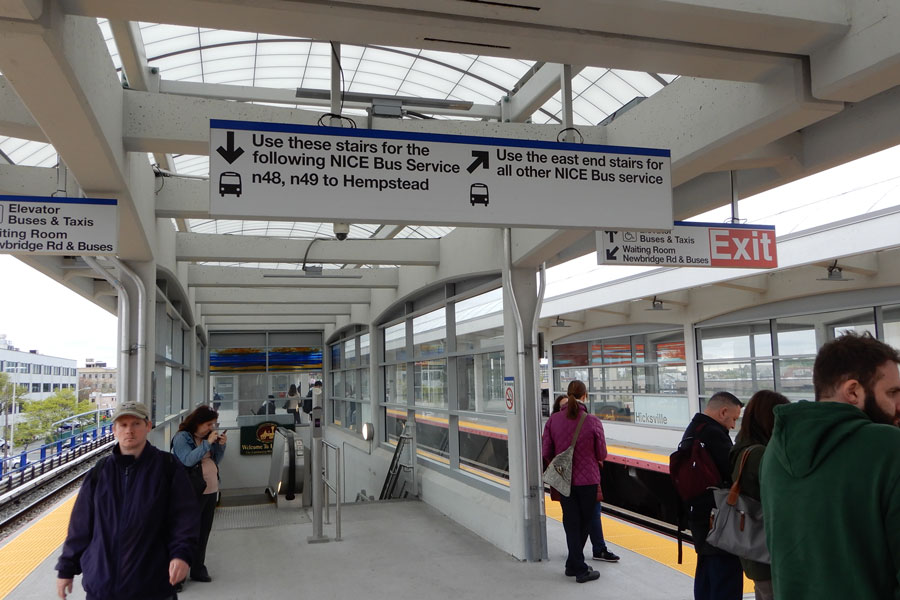
LIRR’s Role in Long Island Life
- Economic Engine: Supports large-scale commuter movement between Long Island and New York City
- Environmental Value: Helps reduce regional car traffic and roadway congestion
- Tourism Gateway: Gives visitors direct access to many of Long Island’s beaches, downtowns, parks, and attractions
- Development Driver: Encourages transit-oriented growth in downtowns across the Island
Summary Snapshot
| Feature | Detail |
|---|---|
| Founded | 1834 |
| Official Name | Long Island Rail Road (LIRR) |
| Owner/Operator | MTA (Metropolitan Transportation Authority) |
| Branches | 11 commonly referenced branches |
| Stations | 100+ stations systemwide |
| Major Terminals | Penn Station, Grand Central Madison, Atlantic Terminal |
| Main Transfer Hub | Jamaica Station |
| Official App | MTA TrainTime |
| Official Website | new.mta.info/agency/long-island-rail-road |
Whether you’re a daily commuter heading into Manhattan, a visitor planning a summer trip to the Hamptons, or someone exploring Long Island’s beaches, parks, and downtowns, the Long Island Rail Road remains one of the most practical ways to travel across the region. With a broad branch network, major city terminals, and strong connections to subways, buses, and airports, the LIRR continues to be a vital link between Long Island and New York City.
Are you ready for fall on Long Island? Check out these local seasonal guides:
🍎 Apple Picking | 🍂 Fall Festivals & Farm Activities | 👻 Haunted Houses | 🎃 Pumpkin Picking