
When is hurricane season?
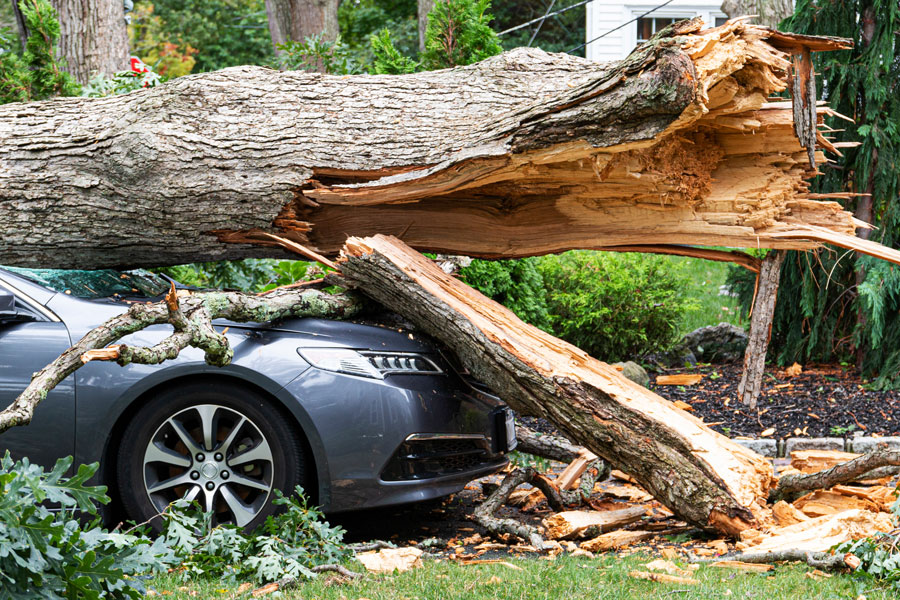
Hurricane season on Long Island runs from June 1 through November 30, with the greatest threat of tropical storms and hurricanes typically occurring between late August and early October. Although direct hurricane landfalls are relatively uncommon, Long Island has experienced several historic storms that caused widespread flooding, wind damage, power outages, and coastal erosion.
In Short
The official Atlantic hurricane season lasts from June 1 through November 30. Long Island’s highest risk of tropical weather generally occurs from late August through early October, when ocean temperatures are warmest and tropical systems are most active.
When Is Hurricane Season on Long Island?
While Long Island lies far north of the tropics, hurricanes and tropical storms occasionally track up the East Coast and affect the region. Even storms that remain offshore can generate strong winds, heavy rainfall, dangerous surf, rip currents, beach erosion, coastal flooding, and localized storm surge. The greatest threat typically occurs during the peak of the Atlantic hurricane season, from late August through early October.
Long Island has experienced several memorable hurricanes over the years. Hurricane Gloria struck in 1985, producing widespread wind damage and power outages across the island. More recently, Hurricane Irene brought heavy rain and flooding in 2011, followed just one year later by Hurricane Sandy, one of the most destructive storms in Long Island history. Sandy caused catastrophic coastal flooding, storm surge, beach erosion, infrastructure damage, and extended power outages throughout many waterfront communities.
The areas most vulnerable to hurricane impacts are generally found along the South Shore, where barrier islands, low-lying neighborhoods, and communities bordering the Atlantic Ocean face the greatest risk from storm surge and coastal flooding. However, communities along the Long Island Sound, inland rivers, bays, and harbors can also experience flooding, fallen trees, and power outages during major tropical systems.
Residents and visitors are encouraged to monitor weather forecasts whenever a tropical system develops in the Atlantic. Emergency management agencies may issue watches, warnings, evacuation orders, and travel advisories depending on a storm’s projected path. Preparing in advance and following official guidance can greatly reduce the risks associated with severe weather.
Despite the possibility of hurricanes, the overwhelming majority of days during hurricane season are warm, sunny, and ideal for enjoying Long Island’s beaches, parks, waterfront communities, wineries, and outdoor attractions.
Quick Facts
| Hurricane Season | General Information |
|---|---|
| Official Season | June 1 through November 30. |
| Peak Activity | Late August through early October. |
| Historic Storms | Hurricane Gloria, Hurricane Irene, and Hurricane Sandy are among the most significant storms to affect Long Island in modern history. |
| Most Vulnerable Areas | The South Shore, barrier islands, and other low-lying coastal communities, although inland flooding and wind damage can occur island-wide. |
| Potential Hazards | Strong winds, heavy rainfall, coastal flooding, storm surge, beach erosion, rip currents, fallen trees, and power outages. |
| Stay Informed | Monitor forecasts from the National Hurricane Center and local emergency management officials whenever tropical weather threatens the region. |
Hurricanes have shaped portions of Long Island’s history, but direct impacts remain relatively infrequent. Understanding when hurricane season occurs, recognizing the potential hazards, and learning from storms such as Gloria, Irene, and Sandy can help residents and visitors stay prepared while safely enjoying everything Long Island has to offer throughout the summer and fall.
Are you ready for fall on Long Island? Check out these local seasonal guides:
🍎 Apple Picking | 🍂 Fall Festivals & Farm Activities | 👻 Haunted Houses | 🎃 Pumpkin Picking