
Roosevelt Field (Hempstead Plains Aerodrome)
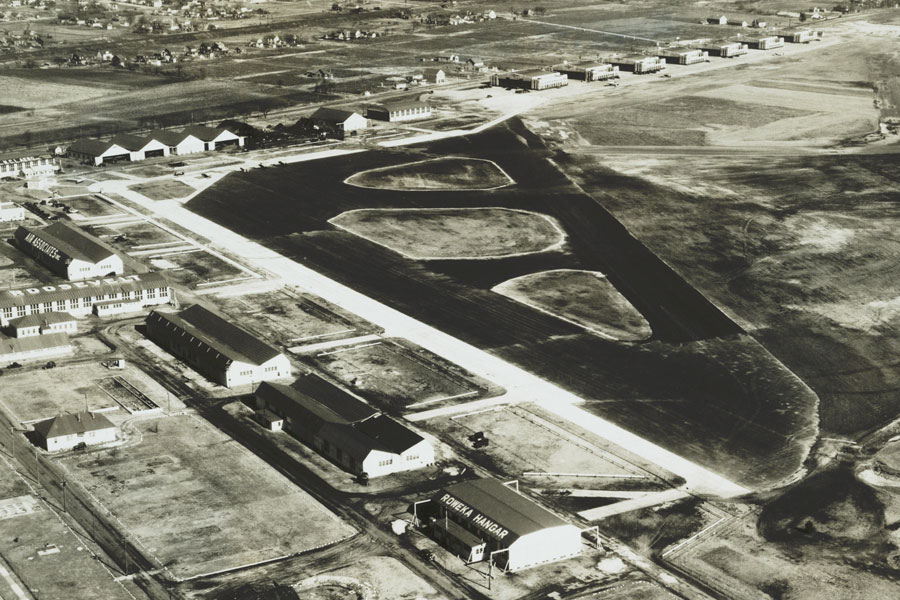
Long before it became associated with one of the most recognized shopping destinations in America, Roosevelt Field was one of the most important aviation sites on Long Island and in the United States. Located on the Hempstead Plains in central Nassau County, the historic airfield helped shape the early era of flight and became closely tied to some of aviation’s most celebrated milestones. Today, the name Roosevelt Field survives most visibly through the major shopping and commercial district in and around Garden City, but its roots go back to a time when Long Island was considered a center of American aviation innovation.
Origins on the Hempstead Plains
The land that became Roosevelt Field was part of the vast Hempstead Plains, a large open grassland that once covered portions of central Nassau County. The flat terrain made the area ideal for early aviation, when airplanes needed broad, unobstructed spaces for takeoffs and landings.
In its earliest years, the flying grounds here were associated with the broader Hempstead Plains aerodrome area before the site became known as Roosevelt Field. The field was renamed in honor of Quentin Roosevelt, the youngest son of President Theodore Roosevelt. Quentin served as a pilot during World War I and was killed in aerial combat over France in 1918. The name reflected both a tribute to his sacrifice and Long Island’s rapidly growing importance in aviation history.
A Center of Early American Aviation
During the 1920s and 1930s, Roosevelt Field became one of the busiest and most important airports in the country. Long Island stood at the forefront of aviation development during this period, with aircraft manufacturers, flight schools, engineers, and pilots operating throughout Nassau County.
The airfield became associated with some of the most famous names in aviation history. Pilots used Roosevelt Field and nearby Long Island airfields for record-setting flights, demonstrations, and preparations for long-distance journeys. Most famously, Charles Lindbergh departed from Roosevelt Field in 1927 on his historic nonstop solo flight to Paris, an event that helped cement Long Island’s place in aviation lore.
The airport featured hangars, runways, maintenance facilities, and aviation-related businesses spread across a massive area that today is occupied by commercial development, roadways, offices, and retail centers.
The Decline of the Airfield
As aircraft technology advanced, larger and more modern airports became necessary. Over time, Roosevelt Field became less practical for the changing aviation industry. By the mid-twentieth century, operations at the airfield had declined sharply as commercial aviation shifted to larger regional airports, including Idlewild Airport, later renamed John F. Kennedy International Airport.
At the same time, suburban development across Nassau County accelerated after World War II. The open land of the Hempstead Plains became increasingly valuable for housing, retail, offices, and transportation infrastructure. Much of the former airfield was gradually redeveloped, and little of the original aviation landscape remains visible today.
Roosevelt Field Mall
Although the airport itself disappeared, the Roosevelt Field name lived on through development of the now-famous Roosevelt Field shopping center. Opened in 1956 and expanded over the decades, the mall grew into one of the largest and most successful shopping destinations in New York State.
Today, when many Long Islanders refer to Roosevelt Field, they are usually speaking about the mall or the surrounding commercial district centered around Old Country Road in Garden City and the former East Garden City area. Many visitors do not realize they are standing on land that once played a major role in the early history of aviation.
Visiting the Site Today
Roosevelt Field is best understood today as a historic landscape rather than a preserved airport site. Visitors will mainly encounter shopping, commercial development, and major roadways where the airfield once stood. For those interested in the area’s aviation heritage, the nearby Cradle of Aviation area and former Mitchel Field district provide more direct connections to Long Island’s flight history. Traffic patterns, parking conditions, and attraction hours may vary, so it is smart to check ahead before visiting nearby museums or attractions.
Legacy and Historical Importance
Roosevelt Field remains one of Long Island’s most historically significant aviation landmarks. Along with nearby locations such as Mitchel Field and the Cradle of Aviation area, it reflects a period when Long Island was considered one of the birthplaces of modern flight.
Although little physical evidence of the original airfield remains today, its legacy survives through photographs, maps, historical archives, commemorations, and the continued use of the Roosevelt Field name throughout Nassau County. The site stands as a reminder of Long Island’s enormous contribution to aviation history during the early twentieth century.
Key Facts & Details
| Location | Garden City – Mineola area on the Hempstead Plains, Nassau County, Long Island, New York |
|---|---|
| Early Name / Description | Part of the historic Hempstead Plains aerodrome area |
| Renamed | After World War I, in honor of Quentin Roosevelt |
| Named After | Quentin Roosevelt, son of President Theodore Roosevelt |
| Historic Use | Major aviation airfield and early airport |
| Peak Era | 1920s through 1930s |
| Significance | One of the most important early aviation centers in the United States |
| Famous Association | Charles Lindbergh’s 1927 departure for his nonstop solo flight to Paris |
| Modern Site | Now occupied largely by Roosevelt Field, surrounding retail corridors, offices, and roads |
| Nearby Roads | Old Country Road, Meadowbrook State Parkway, Northern State Parkway |
| Present-Day Recognition | Primarily associated with Roosevelt Field Mall and the surrounding commercial district |
From pioneering aviators to modern retail development, Roosevelt Field reflects the dramatic transformation of Long Island over the past century. What was once an expansive airfield on the Hempstead Plains eventually became one of the busiest commercial corridors in Nassau County, while still preserving the memory of Long Island’s extraordinary role in the history of flight.
Are you ready for fall on Long Island? Check out these local seasonal guides:
🍎 Apple Picking 🍓 Strawberry Picking 🎃 Pumpkin Picking 👻 Haunted Houses 🍂 Farm Festivals