
Long Island’s Gilded Age and Gold Coast Era
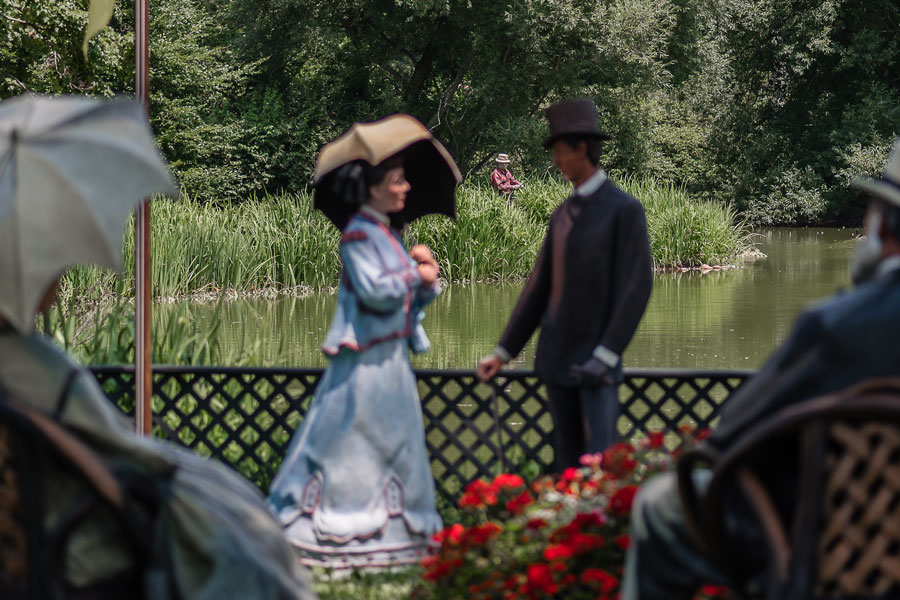
The period from the late 18th century through the Gilded Age and into the early 20th century was transformative for Long Island. Maritime landmarks, presidential history, and the arrival of extraordinary wealth along the North Shore all helped shape the region’s identity. From Montauk Point Lighthouse at the island’s eastern edge to Theodore Roosevelt’s Sagamore Hill and the great estates of the Gold Coast, these places still give visitors a vivid look at Long Island’s past. Many remain open to the public for tours, grounds access, exhibits, or events, though hours and availability can vary by season.
Montauk Point Lighthouse (1796)
- History: Authorized during President George Washington‘s administration in 1792 and completed in 1796, the Montauk Point Lighthouse is the oldest lighthouse in New York State.
- Purpose: Built to help guide ships around the hazardous waters off Long Island’s eastern tip, it became one of the region’s most important navigational landmarks.
- Legacy: The lighthouse remains an enduring symbol of Long Island’s maritime history and is recognized as a National Historic Landmark.
- Visitor Experience: Visitors can generally explore museum exhibits and enjoy sweeping Atlantic views, and tower access may be available when conditions permit. Hours, exhibits, and climb availability vary by season, so it is best to check ahead before visiting.
Sagamore Hill National Historic Site
- Location: Oyster Bay on the North Shore of Long Island.
- History: Theodore Roosevelt’s home was completed in 1885, and he lived there for much of his adult life. During his presidency, it became widely known as the “Summer White House.”
- Significance: Roosevelt welcomed diplomats, politicians, journalists, and public figures here, and the site became closely associated with his leadership, conservation legacy, and national prominence.
- Visitor Experience: Now preserved by the National Park Service, Sagamore Hill offers a chance to explore Roosevelt’s home and grounds when open. Tours, museum access, and seasonal operations may change, so visitors should confirm current details before making the trip.
The Gold Coast Estates (1890s-1930s)
The Gilded Age on Long Island
During the late 19th century and the first decades of the 20th century, Long Island’s North Shore became a celebrated retreat for some of America’s wealthiest families. Industrialists, financiers, and social elites built vast estates with formal gardens, gate lodges, waterfront views, and mansion houses influenced by European styles. This concentration of wealth and architecture helped define the Gold Coast era, and the atmosphere of nearby North Shore communities also helped shape the world associated with F. Scott Fitzgerald’s The Great Gatsby.
Notable Mansions & Estates
- OHEKA Castle (Huntington): Completed in 1919 for financier Otto Hermann Kahn, OHEKA is one of the grandest surviving Gold Coast estates. Today it is best known as a luxury hotel, dining destination, and event venue, with public access often tied to tours, reservations, or scheduled events.
- Sands Point Preserve (Port Washington area): This preserve includes former estate grounds associated with the Guggenheim family, along with landmark structures such as Hempstead House, Castle Gould, and Falaise. Visitors come for historic architecture, wooded trails, shoreline scenery, and cultural programming.
- Old Westbury Gardens: Centered on Westbury House, this 1906 estate was developed for John S. Phipps and is known for formal gardens, landscaped grounds, and seasonal events. It remains one of Long Island’s best-known public historic estates.
- Planting Fields Arboretum State Historic Park (Oyster Bay): Once the Coe family estate, this public property blends Gold Coast architecture with gardens, greenhouses, rolling lawns, arboretum collections, and Coe Hall, making it both a historic site and a major outdoor destination.
Cultural Legacy
- These estates helped cement Long Island’s image as a place of wealth, influence, and waterfront elegance.
- Many surviving properties now operate as museums, parks, historic sites, hotels, or event venues, while others host seasonal festivals, tours, performances, and community programs.
- Visitor access varies widely from site to site, so checking current hours, ticket policies, and event schedules in advance is always a good idea.
Quick Snapshot
| Landmark | Built | Significance |
|---|---|---|
| Montauk Point Lighthouse | 1796 | Oldest lighthouse in New York State and a defining maritime landmark |
| Sagamore Hill | 1885 | Home of Theodore Roosevelt and the famed “Summer White House” |
| OHEKA Castle | 1919 | One of the grandest surviving Gold Coast estates |
| Sands Point Preserve | Early 20th century | Former estate grounds with notable mansions, trails, and Long Island Sound views |
| Old Westbury Gardens | 1906 | Historic estate known for formal gardens and public tours |
| Planting Fields Arboretum | Early 20th century | Former Gold Coast estate preserved as a major public garden and historic park |
From maritime navigation at Montauk Point Lighthouse to presidential history at Sagamore Hill and the enduring grandeur of the North Shore’s Gold Coast estates, this era shaped Long Island in lasting ways. Together, these landmarks tell the story of an island connected to the sea, national leadership, and extraordinary architectural ambition. For travelers exploring Long Island’s historic side, they remain some of the region’s most rewarding places to experience in person.
Are you ready for fall on Long Island? Check out these local seasonal guides:
🍎 Apple Picking | 🍂 Fall Festivals & Farm Activities | 👻 Haunted Houses | 🎃 Pumpkin Picking