
Where are the best places to watch the sunset?
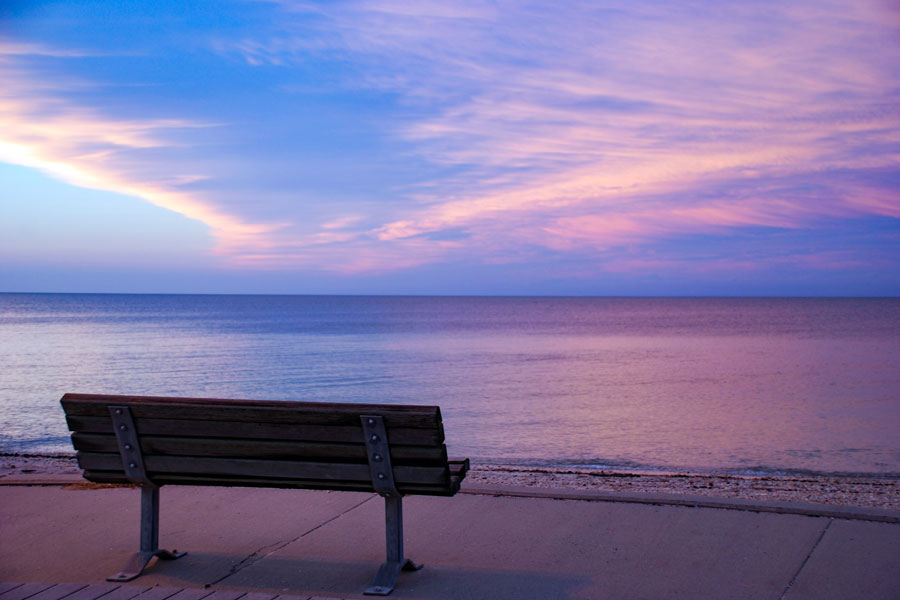
Long Island offers extraordinary sunset views from beaches, parks, harbors, waterfront villages, and bayside communities. Although the island’s Atlantic coastline is best known for spectacular sunrises, destinations along the North Shore, Great South Bay, Great Peconic Bay, and numerous west-facing harbors provide some of the most beautiful places to watch the sun disappear below the horizon.
From peaceful shoreline parks and quiet beaches to bustling waterfront villages, Long Island offers sunset settings for every type of visitor. Some locations feature sweeping, unobstructed views across the water, while others frame the evening sky with sailboats, ferries, lighthouses, boardwalks, marshes, dunes, and historic harbors. Whether you’re planning a romantic evening, photographing the coastline, or simply looking for a quiet place to relax, you’ll find memorable sunset destinations throughout Nassau County and Suffolk County.
In Short
Some of the best places to watch the sunset on Long Island include Sunken Meadow State Park, Cedar Beach, West Meadow Beach, Crab Meadow Beach, Port Jefferson Harbor, Northport, Greenport, Fort Pond Bay in Montauk, Robert Moses State Park, Jones Beach State Park, and the bayside communities of Fire Island. The North Shore generally provides the island’s most dependable sunset views, although outstanding locations can also be found along the South Shore and throughout the East End.
The area can be especially beautiful outside the peak summer season, when Montauk is quieter and cooler air may provide clearer views. Visitors should remain within public areas and avoid crossing onto private waterfront property while searching for a viewing location.
Robert Moses State Park
Robert Moses State Park offers wide beaches, dunes, boardwalks, and immense open skies at the western end of Fire Island National Seashore. Although the Atlantic Ocean lies primarily to the south, the park’s unobstructed coastal landscape can still produce dramatic evening color.
Locations with views toward the western end of the island or Great South Bay generally provide a stronger sunset angle than areas facing directly toward the open Atlantic. Near Field 5, visitors may also be able to incorporate dunes, boardwalks, beach vegetation, and the Fire Island Lighthouse into the surrounding scenery.
Robert Moses State Park is a good choice for visitors who want a spacious natural setting close to the western portion of Fire Island. Individual fields and facilities may follow seasonal schedules, so visitors should observe posted access and closing information.
Fire Island Bayside Communities
The bayside communities within and around Fire Island National Seashore offer some of Long Island’s most atmospheric sunset views. Communities such as Kismet, Saltaire, Fair Harbor, Ocean Beach, Atlantique, and Davis Park have waterfront areas facing Great South Bay.
From the bay side of the island, visitors may see ferries, private boats, docks, and distant portions of the South Shore silhouetted beneath the evening sky. The calmer waters of Great South Bay can create colorful reflections that look very different from the active surf found along Fire Island’s ocean beaches.
Many Fire Island communities are reached by ferry, so visitors planning to remain through sunset should check the return schedule carefully. Service frequency varies according to the community, season, and day of the week.
Jones Beach State Park
Jones Beach State Park is best known for its Atlantic shoreline, long boardwalk, historic bathhouses, and iconic water tower. Its enormous open sky also makes it a worthwhile place to experience the colors that develop around sunset.
During portions of the year, the sun sets farther toward the southwest, creating stronger color over the beach and ocean. The boardwalk, dunes, shoreline, and water tower provide recognizable foreground elements for photographers.
Visitors seeking a direct westward water view may find the North Shore or Great South Bay more dependable. However, Jones Beach remains an excellent choice for expansive skies and colorful afterglow spreading across a famous Long Island landscape.
Long Beach
Long Beach combines an Atlantic shoreline with a long oceanfront boardwalk, making it one of Nassau County‘s most accessible places to enjoy the evening sky.
The beach itself faces south, so it does not provide the same direct western water view as many North Shore locations. However, the wide-open horizon allows sunset colors to spread across a large portion of the sky, particularly when clouds catch the remaining light.
The boardwalk makes it possible to enjoy the view without walking onto the sand and provides numerous opportunities to frame photographs with railings, benches, dunes, and beach entrances. Long Beach is especially convenient for visitors traveling from western Nassau County or New York City.
Caumsett State Historic Park
Caumsett State Historic Park occupies a large peninsula extending into Long Island Sound near Lloyd Harbor. Its wooded paths, meadows, shoreline, bluffs, and water views provide a scenic natural setting for late-afternoon walks.
The park can offer beautiful evening light across Long Island Sound, but it requires more planning than locations where the waterfront is next to the parking area. Visitors should allow enough time to walk back before the property closes and should not remain on trails after permitted hours.
Caumsett is best suited to people who want to combine a hike or nature walk with sunset scenery rather than visitors looking for a quick roadside overlook.
Orient Point and Orient Beach State Park
Orient Point occupies the eastern end of the North Fork, surrounded by the waters of Long Island Sound, Gardiners Bay, and Plum Island Sound. The direction of the shoreline varies throughout the area, creating opportunities for both early-morning and late-day coastal views.
Orient Beach State Park includes shoreline, maritime forest, tidal wetlands, and views across the surrounding waters. The park can be especially scenic during the late afternoon, although visitors should check operating hours because access may end before the full afterglow develops during portions of the year.
Orient is a good sunset destination for visitors already exploring Greenport and the eastern North Fork. Combining the waterfront villages and parks of the area can turn the sunset into the final stop on a full-day trip.
Is the North Shore or South Shore Better for Sunsets?
The North Shore generally provides Long Island‘s most dependable sunset views. Many North Shore beaches and harbors face north, northwest, or west across Long Island Sound, allowing the setting sun to appear over or near the water.
The South Shore faces the Atlantic Ocean and is more closely associated with sunrise. However, South Shore sunsets can still be beautiful when the evening sky fills with color. Great South Bay waterfronts, the western end of Fire Island National Seashore, west-facing inlets, and bayside communities usually provide better sunset angles than beaches facing directly toward the open ocean.
The North Fork and South Fork offer a mixture of possibilities. Greenport and other Great Peconic Bay locations provide western harbor views, while the Fort Pond Bay side of Montauk is generally better suited to sunset than the eastern shoreline at Montauk Point Lighthouse.
Best Time to Arrive
Visitors should plan to arrive approximately 30 to 60 minutes before the published sunset time. Arriving early provides enough time to park, walk to the shoreline, explore possible viewpoints, and settle into a safe location before the light begins to change.
The most intense color does not always appear while the sun is still visible. Clouds may continue to glow after the sun drops below the horizon, creating an afterglow of red, orange, pink, or purple.
Visitors should still observe park closing times and parking restrictions. Some locations require vehicles and pedestrians to leave at or near sunset, even when color remains in the sky.
When Long Island Sunsets Are Most Colorful
Beautiful sunsets can occur throughout the year. Fall and winter frequently bring cooler air, lower humidity, and sunsets that occur at a more convenient hour. Summer offers warmer evenings and longer daylight, although haze near the horizon may sometimes soften the view.
A completely cloudless sky does not necessarily create the most dramatic sunset. Broken clouds can catch light after the sun has dropped lower, producing layers of color across the sky. Some of the most attractive conditions occur when the horizon remains visible while scattered clouds sit higher overhead.
Sunset Photography Tips
- Arrive early enough to explore more than one possible viewpoint.
- Use boats, dunes, lighthouses, jetties, boardwalks, benches, or marsh grass in the foreground.
- Look for reflections in wet sand, tidal pools, harbors, and calm bay water.
- Remain briefly for the afterglow when the location’s access rules permit it.
- Keep the horizon level when photographing open water.
- Avoid walking across protected dunes or entering marked wildlife areas.
- Do not stop along unsafe roads or enter private property to obtain a photograph.
Planning a Sunset Visit
Check the weather, cloud cover, wind, parking regulations, and operating hours before leaving home. Town beaches may restrict parking during certain months, while state parks may collect vehicle-use fees during staffed periods. Access may also change because of storms, flooding, erosion, construction, special events, or wildlife protection.
Waterfront temperatures can fall quickly after sunset, particularly during spring, fall, and winter. Bringing an extra layer of clothing can make the visit more comfortable. A small flashlight may also be useful when returning along a dark path or boardwalk, provided it is used carefully around other visitors and wildlife.
Visitors should use designated parking areas, public waterfronts, marked trails, and legally accessible beaches. Remaining aware of tides, slippery rocks, changing weather, and diminishing light is particularly important at undeveloped coastal locations.
Key Facts & Details
| Best Overall Area | North Shore beaches and west-facing harbors |
| Best Natural Setting | Sunken Meadow State Park |
| Best Waterfront Villages | Northport and Greenport |
| Best East End Sunset | Fort Pond Bay in Montauk |
| Best Island Experience | Bayside communities on Fire Island National Seashore |
| Best Maritime Scenery | Port Jefferson Harbor or Greenport |
| Best South Shore Options | Robert Moses State Park, Fire Island National Seashore, Jones Beach State Park, and Long Beach |
| Recommended Arrival | Approximately 30 to 60 minutes before sunset |
| Important Considerations | Parking permits, closing times, ferry schedules, weather, tides, and seasonal access |
| Best Seasons | Year-round, with especially clear conditions often occurring during fall and winter |
From the rocky bluffs of the North Shore to the bayside communities of Fire Island National Seashore and the historic waterfront villages of the North Fork, Long Island offers an extraordinary variety of places to experience the sunset. Destinations such as Sunken Meadow State Park, Cedar Beach, West Meadow Beach, Crab Meadow Beach, Northport, Port Jefferson Harbor, Greenport, and Montauk showcase the island’s remarkable coastal diversity. Whether you prefer a peaceful beach, a scenic harbor, a lively waterfront village, or a quiet boardwalk overlooking the water, Long Island provides unforgettable sunset experiences throughout the year.
Are you ready for fall on Long Island? Check out these local seasonal guides:
🍎 Apple Picking | 🍂 Fall Festivals & Farm Activities | 👻 Haunted Houses | 🎃 Pumpkin Picking