
William Floyd Estate
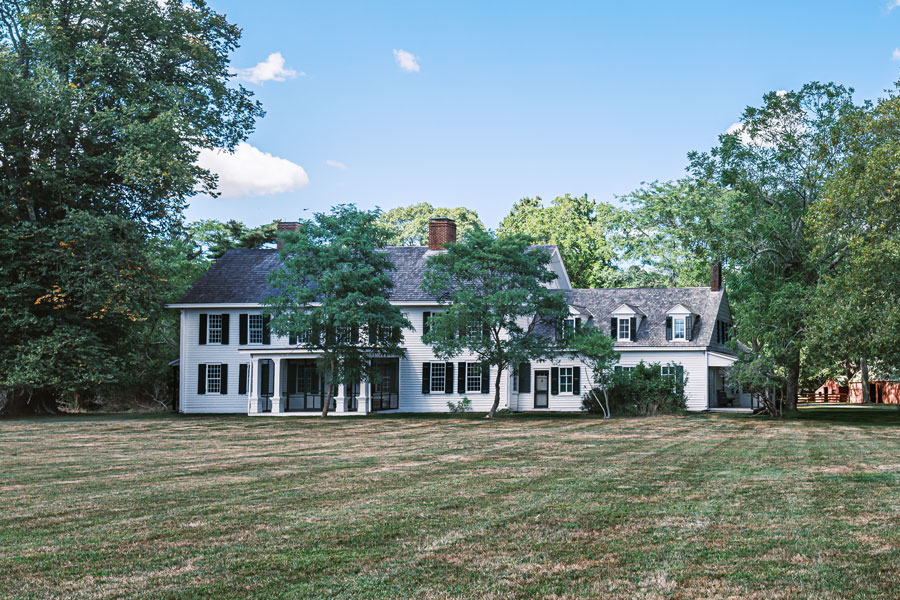
The William Floyd Estate is one of the most historically significant sites on Long Island, preserving the home and landscape of William Floyd, a signer of the Declaration of Independence. Located in Mastic Beach along the scenic South Shore of Suffolk County, the estate reflects more than two centuries of family life, farming, and American history. Today, the property is managed by the National Park Service as part of Fire Island National Seashore and is interpreted as a historic house and cultural landscape.
History of the Estate
William Floyd was one of New York’s representatives to the Continental Congress and signed the Declaration of Independence in 1776. His family estate in what is now Mastic Beach became closely tied to the story of the American Revolution and the founding of the United States.
The Floyd family occupied and shaped the property for more than 200 years. Over time, the estate evolved from a colonial farmstead into a larger country estate while retaining many of its earlier features. The main house and surrounding grounds reflect several periods of American life, giving visitors a sense of how generations of the Floyd family lived, worked, and adapted the property over time.
In 1976, the estate entered the care of the National Park Service as part of Fire Island National Seashore, helping preserve this important Long Island landmark for future generations.
What Visitors Can See
The William Floyd Estate typically offers seasonal access to the grounds, with house tours and ranger-led interpretation available at selected times of year. Depending on the season and current operations, visitors may be able to explore the main house, historic outbuildings, open fields, gardens, and wooded trails that reflect the estate’s long agricultural and residential history.
- The Main House: Features rooms, furnishings, and architectural details representing different eras from the 18th through the 20th century.
- Historic Grounds: Includes open lawns, old trees, gardens, and preserved landscape features associated with the Floyd family estate.
- Nature Trails: Walking paths through wooded sections of the property offer a quieter outdoor side of the site.
- Educational Programs: Seasonal ranger-led tours, talks, and interpretive programming help explain the estate’s role in Revolutionary-era and Long Island history.
Connection to Long Island History
The William Floyd Estate represents more than the home of a founding father. It also tells the broader story of Long Island’s colonial settlement, agricultural heritage, and changing social landscape over hundreds of years. The property offers insight into how an influential landowning family lived during the colonial and post-Revolutionary periods while also reflecting the long-term development of the South Shore region.
The estate is widely regarded as one of the most important Revolutionary-era historic sites on Long Island and remains an important educational resource for students, historians, and travelers interested in early American history.
Visiting the William Floyd Estate
The estate is generally open on a seasonal basis, with tours, grounds access, and special programs varying during the year. Hours may change, and some areas may be accessible only during scheduled open days or guided visits. Before planning a trip, check the official National Park Service William Floyd Estate page for current visitor information.
Most visitors reach the estate by car, and access details may change with seasonal operations or preservation work. The setting is quieter than many of Long Island’s more crowded destinations, making it especially appealing for history enthusiasts, photographers, and visitors looking for a more reflective cultural stop.
The property is located near other South Shore attractions, including Fire Island, the Great South Bay, and parks and preserves throughout the Mastic and Shirley area.
William Floyd Estate
Key Facts and Details
| Fact | Detail |
|---|---|
| Location | Mastic Beach, Suffolk County, Long Island |
| Historic Figure | William Floyd, signer of the Declaration of Independence |
| Managed By | National Park Service |
| Part Of | Fire Island National Seashore |
| Historic Era | Colonial period through the 20th century |
| Main Attraction | Historic home, estate grounds, and preserved cultural landscape |
| Activities | Seasonal tours, walking, interpretation, and educational programs |
| Known For | Revolutionary-era history and its connection to a founding father |
The William Floyd Estate stands as one of Long Island’s most important historical landmarks, preserving the legacy of a founding father while offering visitors a peaceful glimpse into centuries of American and local history. From its colonial roots and Revolutionary significance to its preserved landscapes and seasonal interpretation, the estate remains a distinctive destination where history, culture, and nature come together on the South Shore of Long Island.
Are you ready for fall on Long Island? Check out these local seasonal guides:
🍎 Apple Picking | 🍂 Fall Festivals & Farm Activities | 👻 Haunted Houses | 🎃 Pumpkin Picking