
William Cullen Bryant
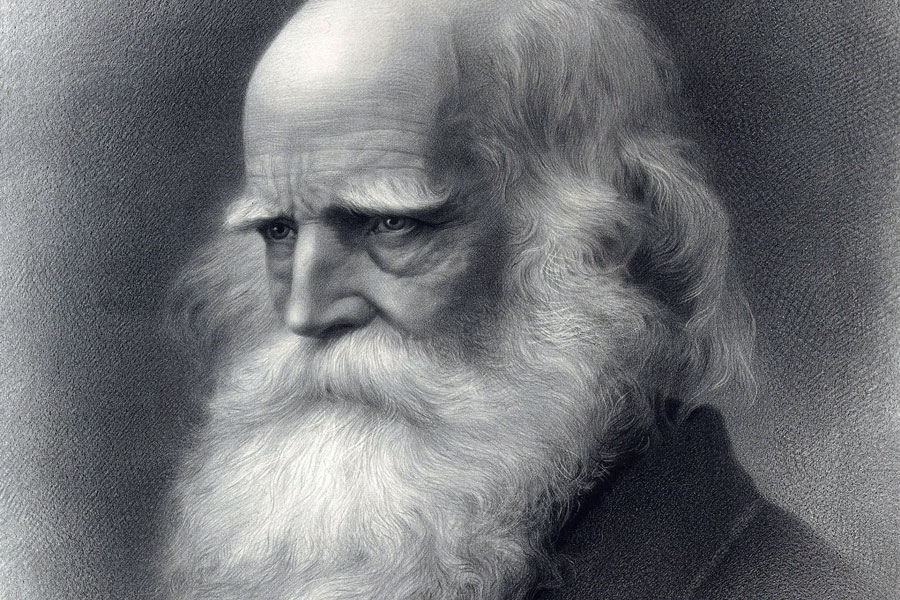
William Cullen Bryant was one of the most influential literary and public voices of 19th-century America, and his longtime Long Island home remains central to his local legacy. Best known for poems such as Thanatopsis and for his decades of leadership at the New York Evening Post, Bryant became closely associated with Cedarmere in Roslyn Harbor, where the natural setting near Hempstead Harbor helped shape the place most identified with his later life.
Early Life & Literary Achievements
Born in 1794 in Cummington, Massachusetts, Bryant gained national attention at a young age and helped establish a distinctly American poetic voice.
- His poem Thanatopsis made him famous for its meditative tone, grand natural imagery, and enduring place in early American literature.
- Other well-known works include To a Waterfowl and The Prairies, both of which strengthened his reputation as a leading poet of the American landscape.
- After establishing Cedarmere as his country home on Long Island, Bryant’s North Shore surroundings informed his later writing, correspondence, and public identity.
Journalism & Political Advocacy
Bryant’s influence extended far beyond poetry and into American journalism and public life.
- As editor, and later part owner, of the New York Evening Post for nearly five decades, Bryant helped shape debate on literature, politics, and reform.
- He used his platform to support antislavery causes, freedom of expression, and a range of 19th-century civic reforms.
- Bryant also played an important role in New York civic culture, supporting public parks, cultural institutions, and broader improvements to urban life.
Roslyn Harbor Home and Community Impact
Bryant’s home, Cedarmere, in Roslyn Harbor became the place most closely associated with his Long Island years.
- The estate’s gardens, woods, ponds, and views toward Hempstead Harbor offered both retreat and inspiration.
- Cedarmere was known as a gathering place for writers, thinkers, and public figures during Bryant’s lifetime.
- Bryant’s presence helped connect the Roslyn area with the broader literary, journalistic, and reform movements of the era.
Literary and Civic Legacy
William Cullen Bryant remains a defining figure in both American letters and Long Island history.
- He is remembered as a pioneering American poet whose work joined classical form with distinctly American themes and scenery.
- His long newspaper career set a lasting example of literary seriousness, editorial independence, and civic engagement.
- Cedarmere endures as a historic property associated with Bryant, preserving an important part of the cultural story of Roslyn Harbor and Long Island’s North Shore.
Visiting Bryant’s Long Island Legacy
For visitors, Bryant is most closely linked with Cedarmere and the historic communities around Roslyn. Access to historic grounds, tours, and special programs can vary over time due to restoration work, seasonal scheduling, or local management, so it is wise to check ahead before planning a dedicated stop. A Bryant-themed visit also pairs well with exploring nearby harbor views, village streets, and other destinations along Long Island’s North Shore.
Quick Info
| Fact | Details |
|---|---|
| Birth/Death | 1794, Cummington, Massachusetts – 1878, New York, New York |
| Long Island Ties | Cedarmere in Roslyn Harbor became Bryant’s longtime country estate and the place most closely associated with his later life |
| Famous Works | Thanatopsis, To a Waterfowl, The Prairies |
| Journalism | Longtime editor and part owner of the New York Evening Post |
| Political/Civic Role | Antislavery advocate, defender of free expression, and supporter of civic reform |
| Famous Quote | “Truth, crushed to earth, shall rise again.” |
| Legacy Sites | Cedarmere in Roslyn Harbor; Bryant Park in Manhattan, named in his honor |
| Fun Fact | Bryant was part of the civic movement that helped build support for the great landscaped park that became Central Park |
| Visitor Note | Historic-site access, tours, and programming may change; check ahead before visiting |
William Cullen Bryant’s years in Roslyn Harbor left a lasting mark on Long Island’s cultural identity, blending literary achievement, public service, and a deep appreciation for the natural landscape. For residents and travelers alike, his story offers a meaningful connection to the artistic and civic traditions of Long Island’s North Shore.
Are you ready for fall on Long Island? Check out these local seasonal guides:
🍎 Apple Picking | 🍂 Fall Festivals & Farm Activities | 👻 Haunted Houses | 🎃 Pumpkin Picking