
Sag Harbor, New York
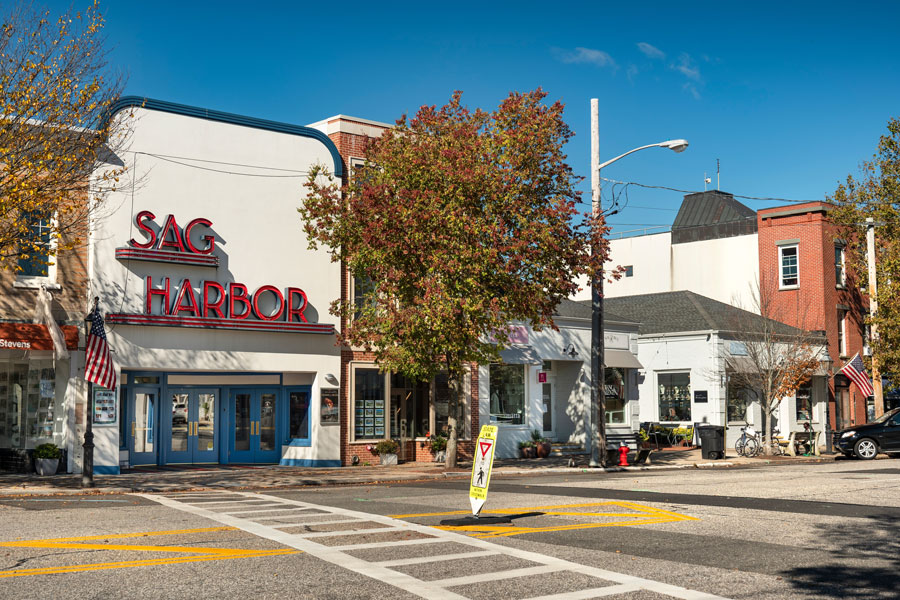
Sag Harbor is a historic waterfront village in Southampton and East Hampton Town in Suffolk County, set on Sag Harbor Bay near the gateway to Gardiners Bay and the Peconic estuary. Incorporated in 1846, the village covers just under 1.8 square miles and had a year-round population of 2,772 at the 2020 census, with numbers that rise noticeably during the busy summer season.
History & Maritime Legacy
Settled in the early 18th century, Sag Harbor grew into one of Long Island’s most important seaports. In the late 18th century it became a federal port of entry, and by the 19th century it was widely known for whaling, coastal trade, and ship-related commerce. As the whaling era faded, the village adapted through shipping, manufacturing, and tourism, while retaining a streetscape and harborfront that still reflect its maritime past.
Demographics & Community
- Population: 2,772 year-round residents at the 2020 census, with a much larger seasonal visitor population.
- Village setting: A compact, walkable downtown surrounded by marinas, residential streets, and waterfront neighborhoods spanning both Southampton and East Hampton Town.
- Cultural heritage: Sag Harbor has a notably layered history, including longstanding maritime, African American, and artistic communities. Areas such as Eastville and the nearby Azurest neighborhood are important parts of that story.
Architecture & Landmarks
Sag Harbor’s Village Historic District preserves an exceptional collection of 18th- and 19th-century buildings tied to its seafaring era. Highlights include the Sag Harbor Whaling & Historical Museum, the striking Old Whalers’ Church, historic houses along and near Main Street, and a compact downtown filled with storefronts, inns, and civic buildings that give the village its distinctive character. Literary connections are part of the local identity as well: author John Steinbeck lived in Sag Harbor for a time, though private residences associated with notable residents are generally not open to casual touring.
Culture & Entertainment
- Bay Street Theater and Sag Harbor Cinema help anchor the village’s year-round arts scene with performances, screenings, talks, and special events.
- The Church, a contemporary arts center founded by Eric Fischl and April Gornik, adds exhibitions, community programming, and creative energy to the village.
- Seasonal events, harborfront gatherings, and local traditions such as HarborFest add to Sag Harbor’s lively calendar, especially from late spring through fall.
Natural Attractions & Conservation
Nature is never far away in Sag Harbor. The village and its surroundings offer access to scenic waterfront views, boating activity, and protected open space, with nearby natural areas that include Sag Harbor Woods, Barcelona Neck, portions of the Long Pond Greenbelt, and the agricultural landscape around Cilli Farm. Visitors may spot shorebirds, waterfowl, marine life, and salt-marsh habitat around the harbor and bays. Local conservation, shellfish restoration, and clean-water efforts continue to play an important role in protecting the area’s coastal environment.
Lifestyle & Local Economy
Sag Harbor blends a relaxed harbor-town atmosphere with polished restaurants, boutiques, galleries, marinas, and historic inns. Main Street, Long Wharf, and the surrounding blocks are especially popular for strolling, dining, and shopping, while nearby waterfront spots such as Havens Beach add to the village’s appeal. Today, the local economy is shaped by small businesses, hospitality, arts and cultural institutions, marine activity, and seasonal tourism.
Getting There & Visitor Tips
- By car: Sag Harbor is commonly reached via Route 114 and other South Fork roadways. Travel times can increase substantially in summer and on holiday weekends.
- Rail and bus connections: There is no current direct Long Island Rail Road service into Sag Harbor village. Regional rail, bus, and jitney options are available elsewhere on the South Fork, but schedules and routes may change.
- Before you go: Museum, theater, cinema, beach, and parking details can vary by season, event calendar, and local regulations, so it is smart to check ahead before visiting.
Village Snapshot
| Feature | Details |
|---|---|
| Population | 2,772 at the 2020 census; population increases seasonally |
| Setting | Historic harbor village spanning Southampton and East Hampton Town |
| Land Area | About 1.8 square miles |
| Heritage | Federal port of entry, whaling history, preserved maritime streetscape |
| Cultural Landmarks | Sag Harbor Whaling & Historical Museum, Old Whalers’ Church, Bay Street Theater, Sag Harbor Cinema, The Church |
| Historical Figures | John Steinbeck and other writers, artists, and maritime-era residents |
| Natural Assets | Harborfront views, nearby preserves, shellfish and clean-water restoration efforts, Havens Beach |
| Community Identity | Historic village character, arts scene, boating culture, and layered cultural heritage |
| Transit | Road access via Route 114; regional rail and bus connections outside the village; service details may change |
| Events & Economy | HarborFest, arts programming, boutiques, restaurants, marinas, and seasonal tourism |
Sag Harbor remains one of Long Island’s most distinctive waterfront destinations: a village where whaling-era history, walkable streets, arts institutions, and an active harbor still shape the visitor experience. Whether you come for the architecture, the marina views, the cultural calendar, or a meal on Main Street, it is a place that rewards a slower look.
Are you ready for fall on Long Island? Check out these local seasonal guides:
🍎 Apple Picking | 🍂 Fall Festivals & Farm Activities | 👻 Haunted Houses | 🎃 Pumpkin Picking