
Samuel J. Tilden
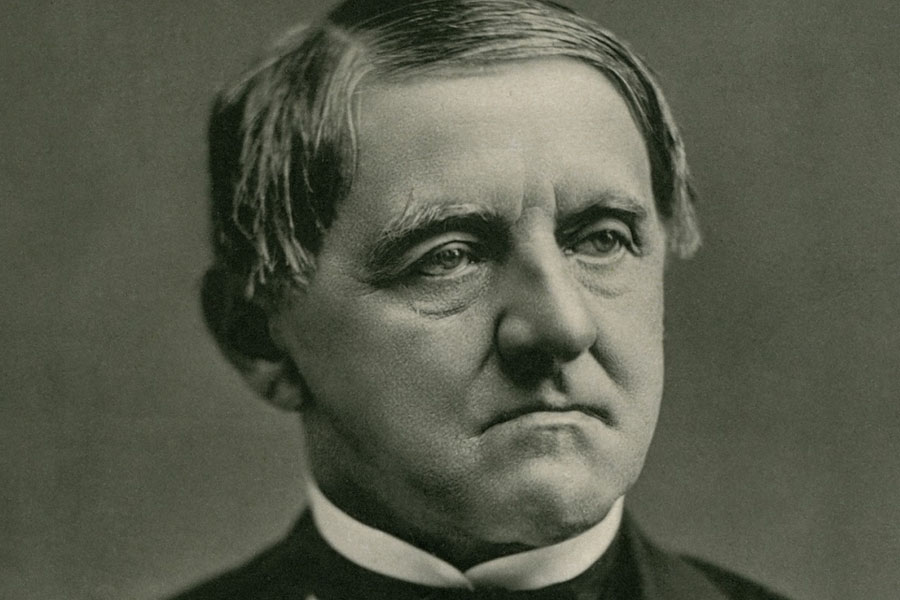
Samuel J. Tilden, former Governor of New York and one of the state’s most important 19th-century reform politicians, holds a significant place in New York history. Although he was not primarily identified with Long Island through a major residence or landmark, his anti-corruption campaigns and broader reform agenda shaped political life across New York, including the communities that now make up modern Long Island.
Early Life & Legal Career
Born in New Lebanon, New York, in 1814, Tilden studied law and built a successful legal career that brought him into the center of New York public life.
- He developed a reputation as a skilled attorney with deep knowledge of finance, railroads, and corporate law during a period of rapid economic expansion in New York State.
- That legal background helped prepare him for the complex fiscal and political reform battles that later defined his public career.
Reform and the Fight Against Corruption
Tilden rose to prominence as a reform-minded Democrat determined to challenge entrenched political corruption.
- He played a leading role in exposing the notorious Tweed Ring, whose abuses had dominated politics in New York City.
- He also became closely associated with efforts to clean up corruption in state government, including the campaign against the Canal Ring, reinforcing his image as one of New York’s best-known reform leaders of the era.
Governor and Presidential Candidate
Elected Governor of New York in 1874 and serving from 1875 to 1876, Tilden brought his reform agenda to Albany.
- As governor, he focused on fiscal discipline, administrative reform, and reducing the influence of political patronage in state affairs.
- In 1876, he became the Democratic nominee for president, won the national popular vote, and fell just short in an election that remains one of the most disputed in American history.
Tilden and Long Island Context
Tilden’s connection to Long Island is best understood through the wider political climate of New York State rather than through a single major Long Island residence, estate, or landmark.
- During the late 19th century, Long Island communities were changing quickly as transportation links expanded and local government grew more complex. Tilden’s reform message formed part of the broader statewide political conversation shaping that period.
- For Long Island history readers, Tilden offers useful context for understanding how anti-corruption politics, party reform, and state-level leadership influenced civic life beyond New York City and Albany.
Legacy
Tilden is remembered today as a leading reformer of the Gilded Age and one of the central political figures of 19th-century New York.
- His career remains closely tied to reform politics, the fight against machine corruption, and the contested aftermath of the 1876 presidential election.
- His estate also played an important role in the story behind the creation of the New York Public Library, though that legacy unfolded through later legal and institutional developments after his death.
Quick Info
| Fact | Details |
|---|---|
| Birth/Death | 1814, New Lebanon, NY – 1886, Yonkers, NY |
| Profession | Lawyer, reform politician, and Governor of New York |
| Governor Term | 1875–1876 |
| Presidential Election | Democratic nominee in 1876; won the popular vote in a disputed election |
| Known For | Anti-corruption reform, especially his role in the fight against the Tweed Ring and Canal Ring |
| Long Island Relevance | An important statewide reform figure whose political legacy helps provide context for Long Island’s 19th-century civic history |
| Library Legacy | His estate contributed to the history behind the eventual creation of the New York Public Library |
| Primary New York Associations | New Lebanon, New York City, Albany, and Yonkers |
For Long Island readers and history-minded visitors, Tilden is best understood as a major New York reform figure whose ideas about public accountability helped shape the broader political environment of the state during a period of rapid change.
Are you ready for fall on Long Island? Check out these local seasonal guides:
🍎 Apple Picking | 🍂 Fall Festivals & Farm Activities | 👻 Haunted Houses | 🎃 Pumpkin Picking