
Fire Districts vs. Towns vs. Villages on Long Island
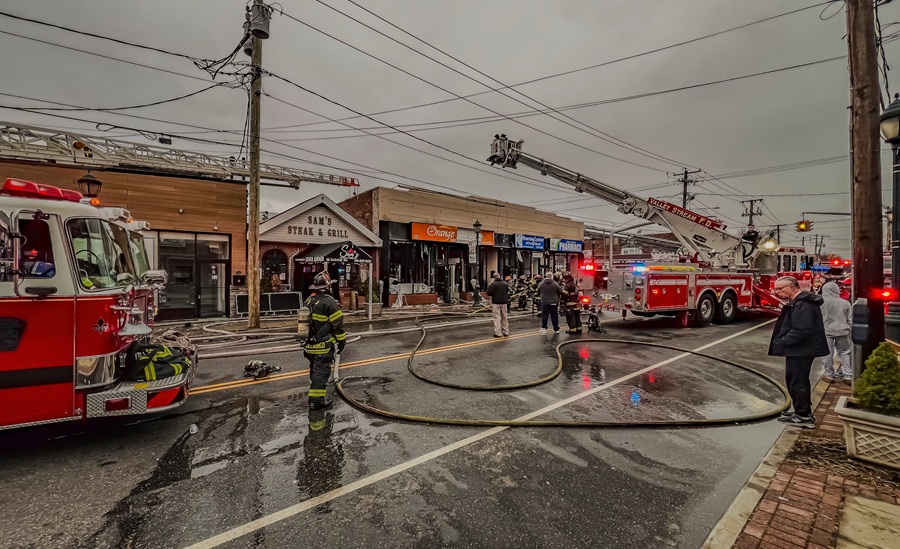
How Fire Protection Is Governed and Taxed
On Long Island, fire protection is usually not run directly by town or county government. In many communities it is funded through independent fire districts, while some incorporated villages provide fire protection through village fire departments or other local arrangements.
This page explains the difference between fire districts, towns, and villages on Long Island, how each functions, and why the distinction matters for residents, homebuyers, and property owners reading local tax bills.
The Core Distinction
- Towns are general-purpose local governments
- Villages are incorporated municipalities located within towns
- Fire districts are special-purpose local taxing entities created to fund fire protection and related services
- Fire departments are the operational organizations that respond to fires and other emergencies
A key point of confusion is that a fire district is not the same thing as a fire department. A district is the governmental and financial structure; the department is the service organization that operates apparatus, responds to calls, and staffs the firehouse.
What a Fire District Is
A fire district is a legally established special district under New York law. On Long Island, it typically exists to fund fire protection for a defined area outside or alongside village-based systems.
Key Characteristics of Fire Districts
- Independent taxing authority for fire protection purposes
- Governed by elected fire commissioners
- Responsible for funding fire protection and related services
- Serve a defined geographic area
- Usually contract with or support a local fire department to provide service
Fire districts do not function as general municipal governments. They do not handle zoning, planning, sanitation, or the broader range of services typically associated with towns or villages.
What Fire Districts Are Responsible For
Fire districts commonly fund and oversee:
- Firefighting operations
- Rescue or emergency medical response in some communities
- Fire apparatus and equipment
- Firehouse facilities and maintenance
- Training, insurance, and safety programs
The firefighters themselves are often volunteers, but that does not mean the system is cost-free. Districts still fund buildings, vehicles, protective gear, communications, training, and other operational needs. In some areas, paid staff or EMS personnel may also be part of the service mix.
How Fire Districts Differ From Towns
Towns
- Provide broad municipal services
- Handle planning, zoning, and land-use decisions in unincorporated areas
- Maintain roads, parks, and other local infrastructure
- May interact administratively with special districts, but usually do not directly operate most local fire protection on Long Island
Fire Districts
- Exist specifically for fire protection and related emergency services
- Levy taxes only for those purposes
- Do not control zoning or general land use
- Operate with their own commissioners, budgets, and elections
A single town may contain many different fire districts, village fire departments, and department service areas, which is one reason neighboring properties can have different fire-related tax arrangements.
How Fire Districts Differ From Villages
Villages are incorporated municipalities and may provide additional local services beyond what the surrounding town provides. Depending on the community, a village may:
- Operate or fund its own fire department
- Be located within a fire district
- Contract for fire protection through a neighboring department or district-based arrangement
- Levy village taxes for municipal services, which may or may not include fire-related costs
In other words, village status does not automatically determine how fire protection is organized. Some villages have long-established village fire departments, while others remain tied to district-based protection. The exact arrangement depends on local history and municipal structure.
Why Fire Protection Boundaries Can Be Confusing
Fire protection boundaries on Long Island often reflect:
- Historical service patterns
- Volunteer company origins and station locations
- Response-time and coverage considerations
- Growth and development over time
As a result, the agency serving an address may not match what a resident expects based on a postal town name, hamlet name, ZIP code, school district, or even nearby village identity. A single fire district may serve multiple neighborhoods or hamlets, and village boundaries do not always tell the whole story.
This is one of the main reasons homeowners and buyers should confirm the actual fire-protection jurisdiction for a property rather than relying only on a mailing address.
How Fire District Taxes Work
Fire district taxes are levied for fire protection and related emergency-service costs.
These taxes often:
- Appear as a separate line item or clearly identified charge on local property tax bills
- Are in addition to town, county, school, and, where applicable, village taxes
- Vary by district based on budget needs, assessed values, and local service structure
Even when a department is largely volunteer-based, tax funding is still required to maintain apparatus, stations, communications systems, and emergency readiness.
Why Fire Districts Exist Separately
Long Island’s separate fire-governance structure developed over time because:
- Many communities organized local fire protection before modern municipal systems fully expanded
- Volunteer fire companies became deeply rooted in local civic life
- New York law provided a framework for special districts and village-based fire service
- Once created, local fire structures often remained in place for generations
That history helps explain why Long Island’s system can feel unusually layered compared with places where fire protection is run directly by a city or county department.
Nassau vs. Suffolk County Considerations
While the overall concept is similar across Long Island, local structure can feel different from place to place:
- Nassau County includes many closely spaced districts, departments, and incorporated villages with long-established local service patterns
- Suffolk County often has larger service areas and more spread-out coverage, especially farther east
- In both counties, exact arrangements vary by community, and local history matters
So while the legal framework is broadly similar, the local map of districts, departments, and village systems is not uniform.
Common Misunderstandings
- A fire district is not the same thing as a fire department
- Fire protection on Long Island is not always a town function
- Volunteer firefighters do not mean fire service is free to operate
- Village incorporation does not automatically remove or create fire district taxes
- A property’s mailing address may not match its fire-protection jurisdiction
These misconceptions come up often in home searches, closing documents, and neighborhood tax discussions.
Why This Matters to Homeowners and Buyers
Understanding the local fire structure can help residents:
- Interpret property tax bills more accurately
- Understand why nearby properties may have different local tax lines
- Know which district, department, or village agency provides fire protection
- Better navigate Long Island’s overlapping local-government structure
- Check local election and budget information where district governance applies
For many households, fire-related taxes are one of the least understood line items on the bill, even though they fund an essential local service.
In Summary
- Fire districts are independent special-purpose entities that fund fire protection in many Long Island communities
- Towns and villages are broader municipal governments with different legal roles
- Some villages operate or fund their own fire departments instead of using a typical fire-district model
- Fire district taxes are separate from most other local taxes
- Fire-protection boundaries may not match postal or neighborhood expectations
Knowing the difference between a town, village, fire district, and fire department makes it much easier to understand how emergency services are funded and delivered across Long Island.
Editorial Note
This page provides general guidance on fire district and local-government structure on Long Island. Specific district boundaries, village arrangements, service levels, elections, and tax treatment can vary by location and should be confirmed locally.
Are you ready for fall on Long Island? Check out these local seasonal guides:
🍎 Apple Picking | 🍂 Fall Festivals & Farm Activities | 👻 Haunted Houses | 🎃 Pumpkin Picking