
Long Island Pine Barrens
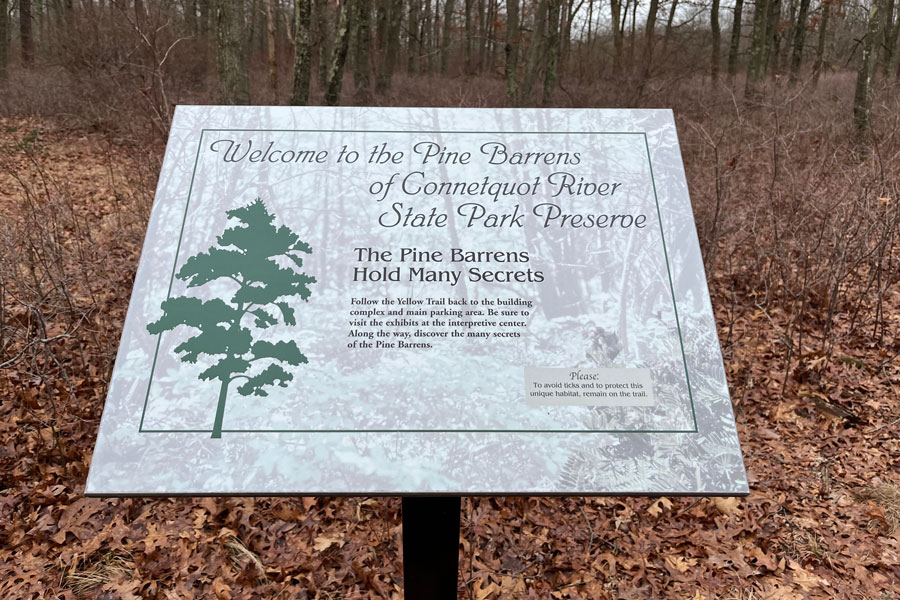
The Long Island Pine Barrens is a broad protected landscape of more than 100,000 acres in Suffolk County, spanning portions of Brookhaven, Riverhead, and Southampton. It is one of the Northeast’s most important remaining pitch pine-scrub oak ecosystems and helps protect Long Island’s aquifer system. With sandy soils, wetlands, seasonal ponds, and miles of trails, the Pine Barrens is a defining part of eastern Long Island’s natural landscape. Current trail and visitor resources are available through the Central Pine Barrens Commission and the Long Island Pine Barrens Society.
Because of its environmental significance, much of the region is protected under state and local land-use rules established in 1993 through the Long Island Pine Barrens Protection Act. Those protections were designed to conserve the most sensitive core lands, limit incompatible development, and safeguard groundwater resources that are vital to Long Island.
What Makes the Pine Barrens Unique?
The Long Island Pine Barrens is:
- The largest natural area remaining on Long Island
- A globally rare ecosystem
- A major groundwater recharge and drinking-water protection area
- Home to many endangered, threatened, and rare species
- A major recreational destination for hiking, biking, paddling, and nature watching
Similar pine barrens landscapes exist in New Jersey and Cape Cod, but Long Island’s Pine Barrens remain one of New York State’s most extensive fire-adapted pitch pine-scrub oak ecosystems.
Regions of the Pine Barrens
The Pine Barrens is divided into two major regions:
The Core Preservation Area
- Development is strictly restricted
- Includes state parks, preserves, and water-protection land
- Primarily located in Ridge, Manorville, Calverton, and parts of Riverhead and Southampton
The Compatible Growth Area
- Limited development is allowed under strict regulations
- Projects must comply with environmental protection standards
- Surrounds the core and includes small residential and commercial areas
Geology & Ecology
The Pine Barrens formed on glacial outwash plains over thousands of years, creating:
- Sandy, nutrient-poor soils
- A landscape shaped by periodic wildfire and fire management
- Unique fire-adapted plant communities
Notable vegetation includes:
- Pitch pine
- Scrub oak
- Huckleberry
- Bearberry
- Wintergreen
- Rare orchids and wildflowers
Native wildlife includes:
- Eastern box turtle
- Spotted turtle
- Red fox
- White-tailed deer
- Tiger salamanders (state endangered)
- Numerous songbirds and migratory species
Major Protected Areas & Parks
- Brookhaven State Park (Ridge/Yaphank): More than 1,600 acres of largely undeveloped pine barrens with hiking and equestrian trails.
- Suffolk County Pine Barrens Trail: A long-distance route of roughly 50 miles extending from Rocky Point to Hampton Bays.
- Sandy Pond County Park: Known for freshwater ponds, wooded habitat, and quiet nature access.
- Manorville Hills County Park: A large, rugged area popular with hikers, mountain bikers, and equestrians.
- Cranberry Bog Nature Preserve (near Riverhead): Wetland and pond habitat with scenic trails for nature walks.
- Quogue Wildlife Refuge (Southampton): An environmental education center and trail network at the edge of the South Fork pine barrens.
Recreation in the Pine Barrens
The Pine Barrens offers outdoor experiences including:
- Hiking (Paumanok Path & Pine Barrens Trail)
- Camping at select parks and nearby campgrounds
- Birdwatching
- Photography
- Mountain biking
- Horseback riding
- Kayaking & canoeing where access is provided, including parts of the Peconic River system
- Nature study & ecology programs
Visiting the Pine Barrens
There is no single entrance or central visitor center for the entire Pine Barrens. Public access is spread across state parks, county parks, refuge lands, and trailheads in communities such as Ridge, Manorville, Calverton, Riverhead, and Hampton Bays. Parking, restrooms, permits, and trail amenities vary by site.
Before visiting, check the managing park or preserve for current access details, seasonal hours, hunting notices, prescribed-burn activity, pet rules, and trail conditions. Stay on marked paths, bring water, and use tick protection, especially in warmer months.
Why the Pine Barrens Are Protected
The Pine Barrens sit above one of Long Island’s most important groundwater recharge areas. Protecting these woods, wetlands, and sandy soils helps protect the aquifer system that supplies drinking water across the island.
The 1993 Pine Barrens Protection Act led to:
- Permanent land preservation
- Zoning restrictions
- Creation of the Central Pine Barrens Joint Planning & Policy Commission
- Scientific research and ecological monitoring
Threats to the Pine Barrens
Despite legal protections, threats still exist:
- Invasive species
- Long-term fire suppression and altered fire cycles
- Illegal off-road vehicle use
- Proposed development in nearby areas
- Climate change and drought conditions
- Groundwater contamination from outside the Core
Map of the Long Island Pine Barrens
Key Facts & Details
| Category | Details |
|---|---|
| Size | More than 100,000 acres in the broader protected region |
| County | Suffolk County |
| Towns | Brookhaven, Riverhead, Southampton |
| Protected Since | Long Island Pine Barrens Protection Act, 1993 |
| Ecosystem Type | Fire-adapted pitch pine and scrub oak habitat |
| Main Significance | Aquifer protection, habitat conservation, and outdoor recreation |
| Major Trails | Paumanok Path, Suffolk County Pine Barrens Trail |
| Wildlife | Tiger salamander, hawks, turtles, deer, foxes, and migratory birds |
| Visitor Access | Multiple parks, preserves, and trailheads; hours and facilities vary by site |
| Official & Planning Resources | Central Pine Barrens Joint Planning & Policy Commission Long Island Pine Barrens Society |
The Long Island Pine Barrens remain one of the region’s most irreplaceable natural treasures – a vast protected landscape that preserves wildlife, protects the aquifer, and offers extensive open space for outdoor discovery. Its survival is the result of decades of environmental advocacy, land-use planning, and careful management. Whether you’re hiking a quiet trail, studying rare species, or simply exploring the natural side of Long Island, the Pine Barrens represents the island at its most wild and enduring. As with any large natural area, check ahead before visiting for current site-specific access details.
Are you ready for fall on Long Island? Check out these local seasonal guides:
🍎 Apple Picking | 🍂 Fall Festivals & Farm Activities | 👻 Haunted Houses | 🎃 Pumpkin Picking