
Long Island Wine Trails and Tasting Itineraries
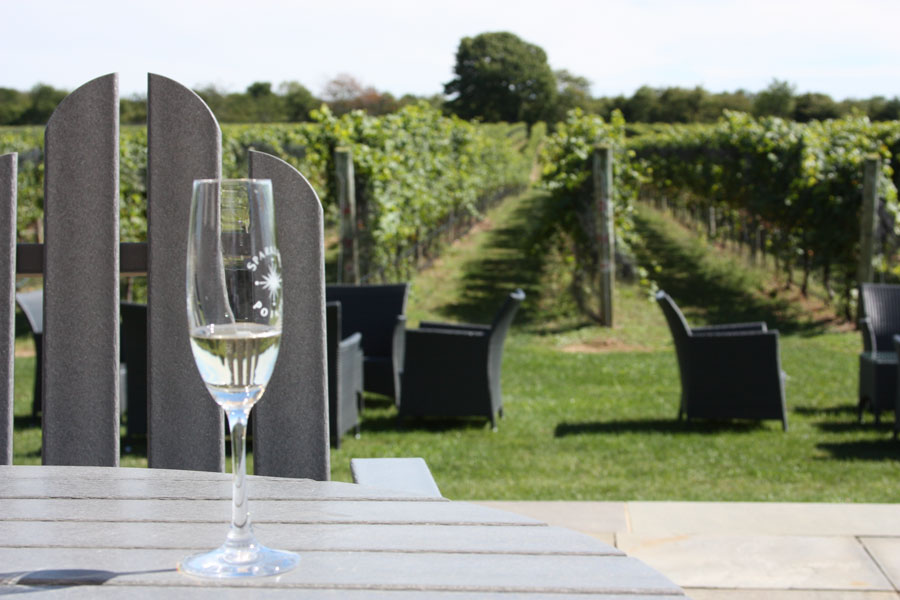
Long Island’s wine country is centered on two distinct regions – the North Fork and the South Fork – each with its own personality, scenery, and pace. The North Fork remains the larger concentration of vineyards and tasting rooms, while the South Fork offers a smaller Hamptons-area wine scene that pairs easily with beaches, shopping, and dining. Together, they form one of New York’s most distinctive wine destinations, with maritime-influenced vineyards, farm stands, waterfront views, and tasting experiences that range from casual to polished.
🍇 North Fork: Larger cluster of vineyards and tasting rooms
🚜 North Fork: Farmland, farm stands, bays, and a relaxed rural feel
🏖️ South Fork: Hamptons villages, beaches, and easy day-trip pairing
✨ South Fork: Smaller, boutique-style wine scene with an upscale feel
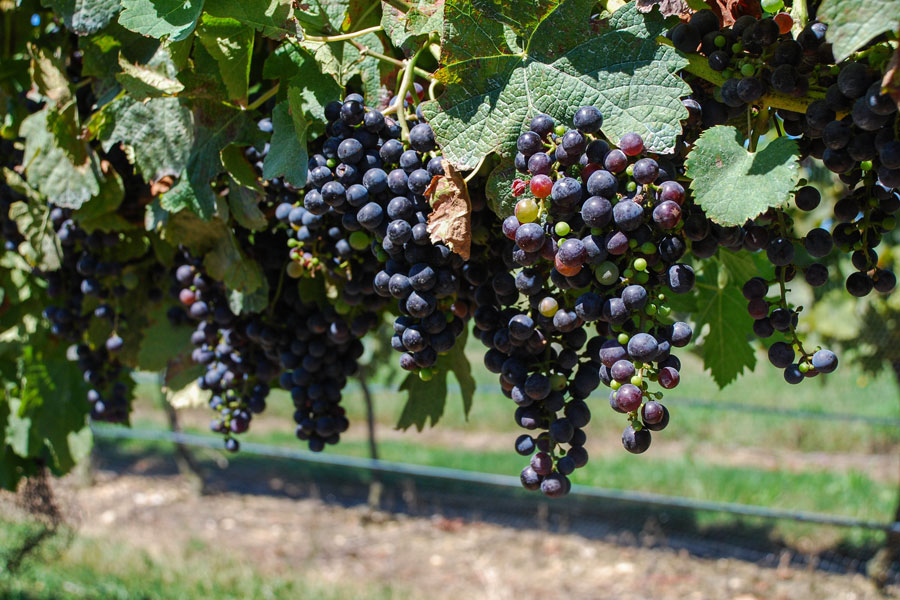
North Fork
The North Fork is the heart of Long Island’s wine industry, with dozens of wineries and tasting rooms stretching east from Riverhead through towns such as Mattituck, Cutchogue, Peconic, Southold, and Orient Point. The region has a relaxed, agricultural character shaped by open farmland, roadside produce stands, and coastal views along the Long Island Sound and Peconic Bay. Many tasting stops are found along or near Route 25 and Sound Avenue, making it practical to plan a self-guided day, though traffic, reservations, and seasonal hours can affect timing. For visitors coming from New York City, the North Fork is often the easiest place to focus on multiple winery stops in a single outing.
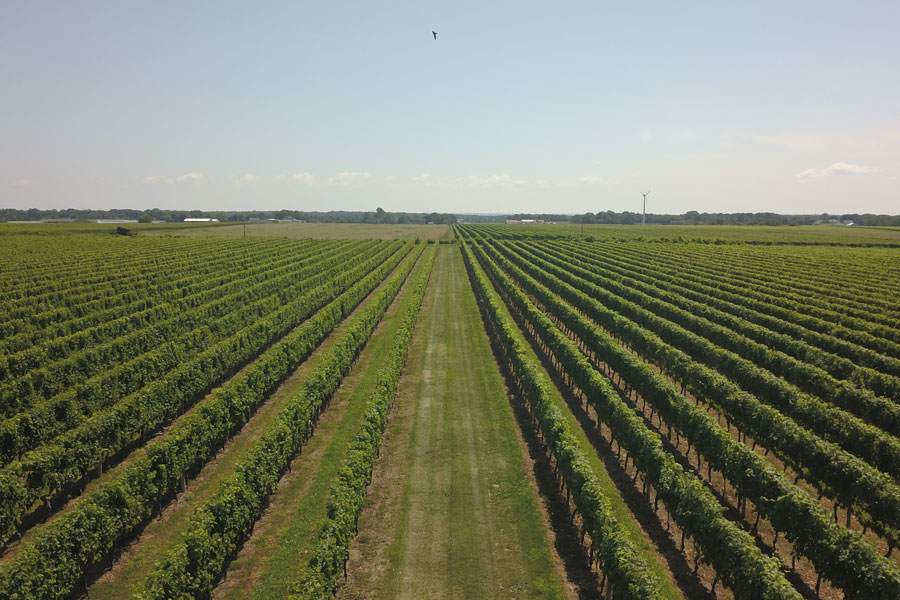
South Fork
The South Fork, best known for the Hamptons and Montauk, has a smaller but notable winery scene centered around places like Water Mill, Bridgehampton, and Sagaponack. Rather than an all-day vineyard crawl, wine tasting here is often woven into a broader Hamptons itinerary that may also include beaches, village shopping, galleries, or a restaurant stop. The overall atmosphere tends to feel more boutique and polished, with several wineries known for attractive grounds, stylish tasting spaces, and premium pours. If you want wine tasting to be part of a Hamptons day rather than the entire focus, the South Fork is an easy fit.
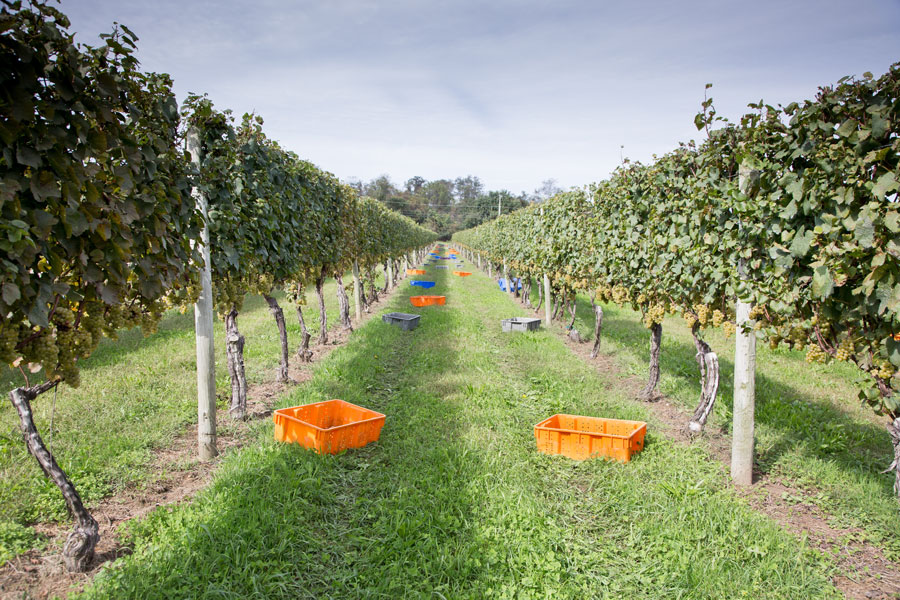
Which is Right for You?
- North Fork: Best if you want to visit multiple wineries in one day and enjoy a more relaxed, farm-country atmosphere.
- South Fork: Best if you want one or two winery stops folded into a Hamptons beach, shopping, or dining itinerary.
Both regions benefit from Long Island’s maritime climate, which helps shape crisp whites, popular rosés, sparkling wines, and a growing range of reds. Whether you’re planning a casual day on the North Fork or a more polished Hamptons outing on the South Fork, it’s wise to check winery hours, reservation policies, and seasonal offerings before you go.
North Fork Wine Tasting Itineraries Route 25 / Sound Ave
These are sample routes for planning purposes. Availability, hours, fees, and reservation requirements may change by season.
Half-Day (4–5 hours)
| Time | Stop | Town | Notes | Booking |
|---|---|---|---|---|
| 10:30 AM | Paumanok Vineyards | Aquebogue | Convenient western North Fork starting point; tasting formats and seating options can vary. | Reserve |
| 12:00 PM | Macari Vineyards | Mattituck | Scenic property and a popular mid-route stop; book ahead on busy weekends. | Reserve |
| 1:15 PM | Lunch | Mattituck / Cutchogue | Choose a casual café, farm stand pickup, or a sit-down meal nearby. | — |
| 2:30 PM | Bedell Cellars | Cutchogue | Contemporary tasting room and estate setting; tasting options may differ by day. | Reserve |
Tip: For a relaxed pace, allow about 45–75 minutes per winery and leave extra time for weekend traffic.
Full Day (6–8 hours)
| Time | Stop | Town | Notes | Booking |
|---|---|---|---|---|
| 10:30 AM | Raphael | Peconic | Elegant estate setting and a strong first stop near the center of the Fork. | Reserve |
| 12:00 PM | Sparkling Pointe | Southold | Specializes in sparkling wine; reservations are often a smart idea in peak season. | Reserve |
| 1:15 PM | Lunch in Greenport | Greenport | Harborfront dining, shops, and a walkable village center make a natural midday break. | — |
| 2:30 PM | Kontokosta Winery | Greenport | Known for dramatic water views; outdoor seating and tasting access may be weather-dependent. | Reserve |
| 3:45 PM | Lenz Winery | Peconic | A good final stop if you’re heading back west toward Riverhead or New York City. | Reserve |
Designate a driver or book a car service. Winery rules on outside food, large groups, and bus arrivals vary widely.
South Fork Wine Tasting Itineraries Montauk Hwy / Hamptons
The South Fork has fewer winery stops, so many visitors pair tasting with a beach, village, or restaurant outing.
Half-Day (3–4 hours)
| Time | Stop | Town | Notes | Booking |
|---|---|---|---|---|
| 11:00 AM | Wölffer Estate Vineyard | Sagaponack | One of the South Fork’s signature winery stops; reserve ahead in summer and early fall. | Reserve |
| 12:30 PM | Lunch | Bridgehampton | Easy place to pause for cafés, markets, or a longer sit-down meal. | — |
| 1:45 PM | Channing Daughters | Bridgehampton | Known for a broad and sometimes experimental lineup; tasting options can change by season. | Reserve |
Peak-season weekends fill quickly, so reserving a few days ahead is often worthwhile.
Full Day (5–7 hours)
| Time | Stop | Town | Notes | Booking |
|---|---|---|---|---|
| 10:45 AM | Duck Walk Vineyards | Water Mill | A practical first stop just off Montauk Highway with straightforward access by car. | Reserve |
| 12:00 PM | Wölffer Estate Vineyard | Sagaponack | A classic Hamptons winery stop; estate experiences and seating formats may vary. | Reserve |
| 1:15 PM | Lunch in Bridgehampton or East Hampton | South Fork | Reservations are often helpful in summer, especially for larger groups. | — |
| 2:45 PM | Channing Daughters | Bridgehampton | A strong final tasting stop before spending the late afternoon in a village or at the beach. | Reserve |
Traffic on Montauk Highway can intensify later in the day. Build in extra travel time, especially on summer Fridays and weekends. Always confirm hours, age restrictions, tasting policies, and transportation plans before visiting. Rideshares and taxis can be limited in parts of the East End.
Tips for Planning Your Long Island Wine Tour
- Plan Ahead – Many wineries recommend or require reservations, especially on weekends, holiday periods, and during harvest season.
- Designate a Driver – If you plan to visit multiple tasting rooms, use a designated driver, car service, shuttle, or organized tour.
- Build in Travel Time – Distances may look short on a map, but East End traffic can add significant delays, particularly in summer and early fall.
- North Fork vs. South Fork – The North Fork is generally better for several winery stops in one day; the South Fork works well when paired with Hamptons sightseeing.
- Check Group and Picnic Policies – Rules on outside food, large groups, buses, limos, and children vary by property.
- Try Local Pairings – Some wineries offer cheese boards, small bites, or nearby access to Long Island seafood and farm-fresh foods.
- Dress for the Setting – Outdoor seating, gravel paths, lawns, and breezy waterfront conditions make comfortable shoes and layers a smart choice.
- Check the Events Calendar – Live music, food pop-ups, seasonal festivals, and special tastings can change the feel of a visit.
- Know the Seasons – Summer and fall are the liveliest times to visit; winter and early spring can be quieter, with reduced hours at some locations.
- Protect Bottle Purchases – If you expect to buy wine, bring a cooler or insulated bag for the ride home.
- Transit Exists, but It’s Limited for Winery-Hopping – The LIRR reaches the East End, but winery-to-winery transportation is not always easy without a car service or prearranged pickup.