
How Long Island’s Comedy Clubs Survived the Collapse of America’s Stand-Up Boom

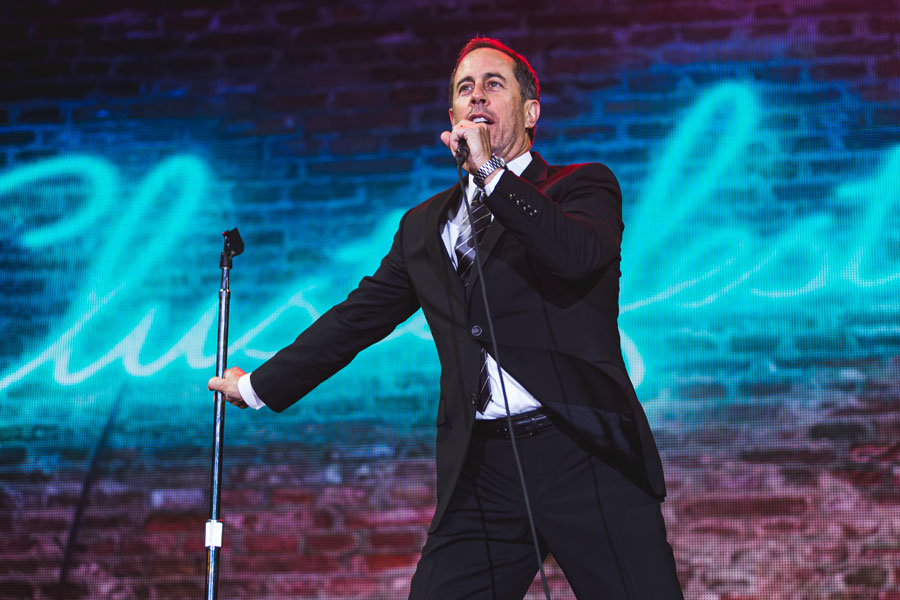
LONG ISLAND, NY – During the stand-up comedy explosion of the 1980s, Long Island was filled with comedy clubs, late-night showcases, and touring comedians trying to break into the national spotlight. From Nassau County to Suffolk County, audiences packed smoky showroom venues to see rising comics before they became household names. While much of America’s suburban comedy circuit eventually disappeared, a small group of Long Island clubs survived through changing ownership, industry decline, and the transformation of nightlife itself.
When Stand-Up Comedy Took Over Long Island
During the 1980s, stand-up comedy became one of America’s fastest-growing forms of live entertainment. Cable television, late-night talk shows, and comedy specials helped launch comedians into mainstream celebrity status, while local comedy clubs across the country rushed to capitalize on the growing demand.
Long Island quickly became an important part of that boom. At one point, the region reportedly supported well over a dozen comedy clubs spread across Nassau County and Suffolk County. Venues in places such as Levittown, Bellmore, Bohemia, Huntington, Port Jefferson, Long Beach, and other communities regularly hosted both rising comedians and established touring acts.
For audiences, comedy clubs offered something different from traditional theater or concert entertainment. The rooms were smaller, more personal, and often unpredictable. Many performances took place only a few feet from the crowd, creating an intimate atmosphere that helped define the era’s stand-up culture.
Future Stars Passed Through Long Island
Like many regional comedy circuits during the era, Long Island clubs became proving grounds for comedians who later achieved national fame. Before major streaming deals, arena tours, and podcast empires transformed the business, comedians spent years developing material club by club.
Many performers associated with the broader New York comedy scene appeared on Long Island stages during the height of the stand-up boom. Comics such as Jerry Seinfeld, Adam Sandler, Billy Crystal, Rodney Dangerfield, and Kevin James all emerged from the larger New York-area stand-up ecosystem that heavily influenced Long Island audiences and venues.
Because Long Island sits directly beside New York City, the region occupied a unique position within the comedy industry. Clubs could attract comedians already performing in Manhattan while also drawing suburban audiences looking for nightlife without heading into the city.
The Original Long Island Comedy Clubs
Some of the best-known names in Long Island comedy developed strong local identities of their own. Governor’s Comedy Club in Levittown, The Brokerage Comedy Club in Bellmore, and McGuire’s Comedy Club in Bohemia were historically viewed as separate clubs with distinct crowds and local followings.
For many longtime residents, each venue developed its own personality. Some rooms were known for nationally touring acts, while others became associated with local showcases, experimental material, or younger comedians working their way through the regional circuit.
The popularity of these clubs reflected a much larger nightlife culture that existed across Long Island during the 1980s and 1990s. Before streaming entertainment, social media, and modern on-demand viewing habits reshaped consumer behavior, live entertainment venues played a far larger role in weekend nightlife.
The Collapse of the Comedy Boom
By the 1990s and early 2000s, many comedy clubs across America began struggling or shutting down entirely. The stand-up boom had cooled, television opportunities changed, and audiences increasingly shifted toward different forms of entertainment.
Long Island was not immune to those changes. Rising operating costs, changing nightlife habits, and increased competition from larger entertainment venues placed enormous pressure on smaller comedy rooms. Many clubs throughout the region disappeared entirely.
At the same time, the entertainment industry itself was evolving. Comedians no longer depended exclusively on local clubs to build audiences. Cable television, internet video, podcasts, and later social media dramatically changed how comics reached fans.
Across the country, suburban comedy circuits that once thrived during the 1980s largely faded away. Yet Long Island’s remaining clubs managed to survive while many others vanished.
How Long Island’s Clubs Adapted
Part of Long Island’s comedy survival story involved consolidation and adaptation. Over time, ownership and operational ties between Governor’s, The Brokerage, and McGuire’s became increasingly connected under a broader management structure.
That consolidation helped create efficiencies that smaller standalone clubs often could not sustain on their own. Talent booking, marketing, scheduling, promotions, and audience development could now operate across multiple venues rather than relying entirely on a single room.
The surviving clubs also adapted by expanding beyond traditional stand-up lineups. Many venues began incorporating podcast events, themed comedy nights, touring specialty acts, local showcases, improv performances, and private events into their calendars.
Rather than competing directly against the changing entertainment landscape, Long Island’s remaining comedy clubs adjusted to it. The clubs leaned into the one advantage streaming services could never fully replace: live audience interaction.
Comedy Remains Part of Long Island Nightlife
Although the number of permanent comedy clubs on Long Island is far smaller than it once was, stand-up comedy remains an important part of the region’s entertainment culture. Dedicated clubs continue operating alongside theaters, bars, restaurants, and event venues that regularly host comedians.
Modern venues such as The Paramount in Huntington and various event spaces across Nassau and Suffolk Counties continue bringing nationally touring comedians to Long Island audiences.
For younger comedians, Long Island still provides opportunities to develop material outside of Manhattan’s highly competitive club environment. Open mics, showcase nights, and smaller regional performances continue feeding new talent into the broader New York comedy ecosystem.
A Piece of Long Island Entertainment History
The survival of Long Island’s remaining comedy clubs reflects more than simple business endurance. It also represents the preservation of a regional entertainment tradition that once played a much larger role in American nightlife culture.
While countless suburban comedy clubs disappeared across the United States after the stand-up boom faded, Long Island managed to retain part of that history through a handful of venues that adapted to changing audiences and changing times. For many residents, those clubs continue serving as reminders of an era when stand-up comedy dominated weekend nightlife and future stars could still be discovered in intimate local rooms only minutes from home.
Key Facts & Details
| Main Topic | History of Long Island’s comedy club scene |
|---|---|
| Peak Comedy Boom | 1980s through early 1990s |
| Notable Surviving Clubs | Governor’s Comedy Club, The Brokerage Comedy Club, McGuire’s Comedy Club |
| Primary Regions | Nassau County and Suffolk County, Long Island, New York |
| Comedy Industry Trend | National collapse of many suburban comedy clubs after the stand-up boom faded |
| Famous Comedians Associated With LI Circuit | Jerry Seinfeld, Kevin James, Adam Sandler, Rodney Dangerfield, Billy Crystal and others |
| Modern Survival Strategy | Club consolidation, shared booking, rotating talent, and adaptation to changing entertainment habits |
| Related Page | Comedy Clubs on Long Island |
Are you ready for fall on Long Island? Check out these local seasonal guides:
🍎 Apple Picking 🍓 Strawberry Picking 🎃 Pumpkin Picking 👻 Haunted Houses 🍂 Farm Festivals